
Project IGI: I’m Going In – Comprehensive Overview
Introduction
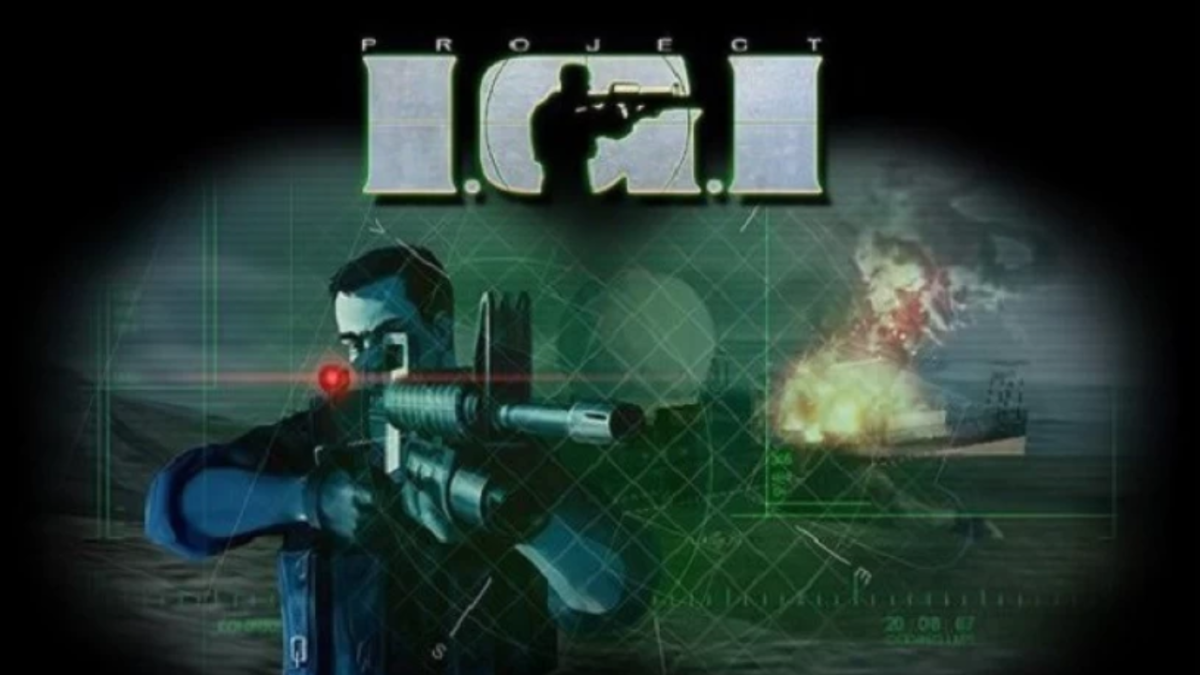
Released in December 2000, Project IGI: I’m Going In is a tactical first-person shooter video game developed by Innerloop Studios and published by Eidos Interactive. Widely recognized for its strategic approach to gameplay and engaging storyline, the game has fostered a unique place in the genre, despite receiving mixed reviews at launch.
—
Gameplay and Storyline
Gameplay:
Project IGI: I’m Going In is designed exclusively for single-player mode and consists of 14 challenging missions that emphasize a blend of stealth and tactical action. Players assume the role of David Jones, a skilled secret agent whose primary objective is to track and extract Josef Priboi—a key figure who possesses vital information regarding a stolen nuclear warhead.
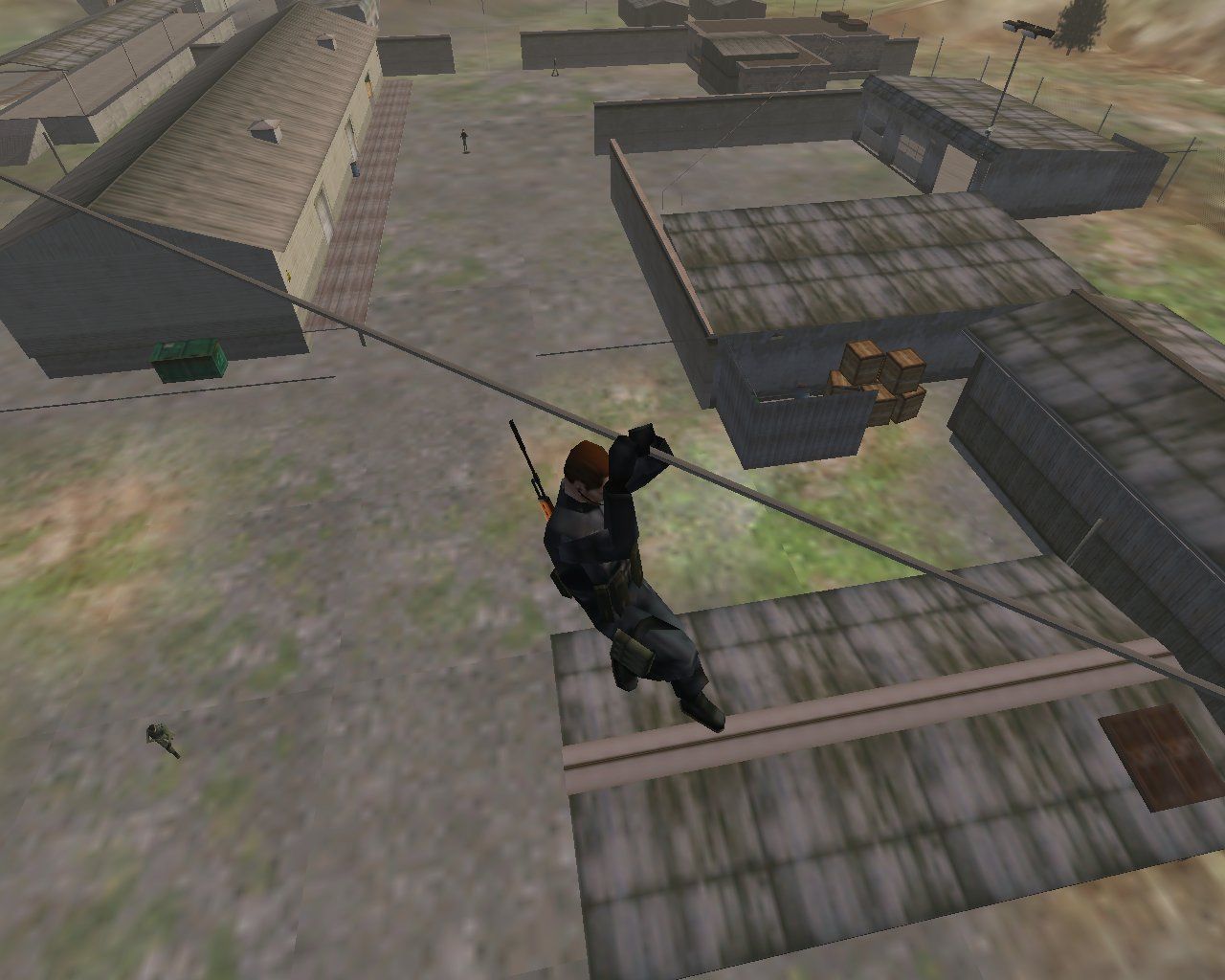
The gameplay encourages players to approach missions strategically, utilizing stealth techniques to bypass enemies, hack security systems, and engage in fast-paced action when necessary. A notable aspect of the game is its AI, which is often cited as a major flaw. The enemies, notably security guards, display a lack of awareness, frequently ignoring nearby gunshots or disturbances, which can detract from the overall immersion.
Storyline:
The narrative unfolds through Agent Jones’s various missions, where he delves deeper into the hunt for Priboi. This involves navigating different environments and executing various jobs to gather intelligence. Jones is guided through his operations by Rebecca Anya, his handler, who communicates critical information via a headset.
—
Graphics and Sound Design
Graphics:
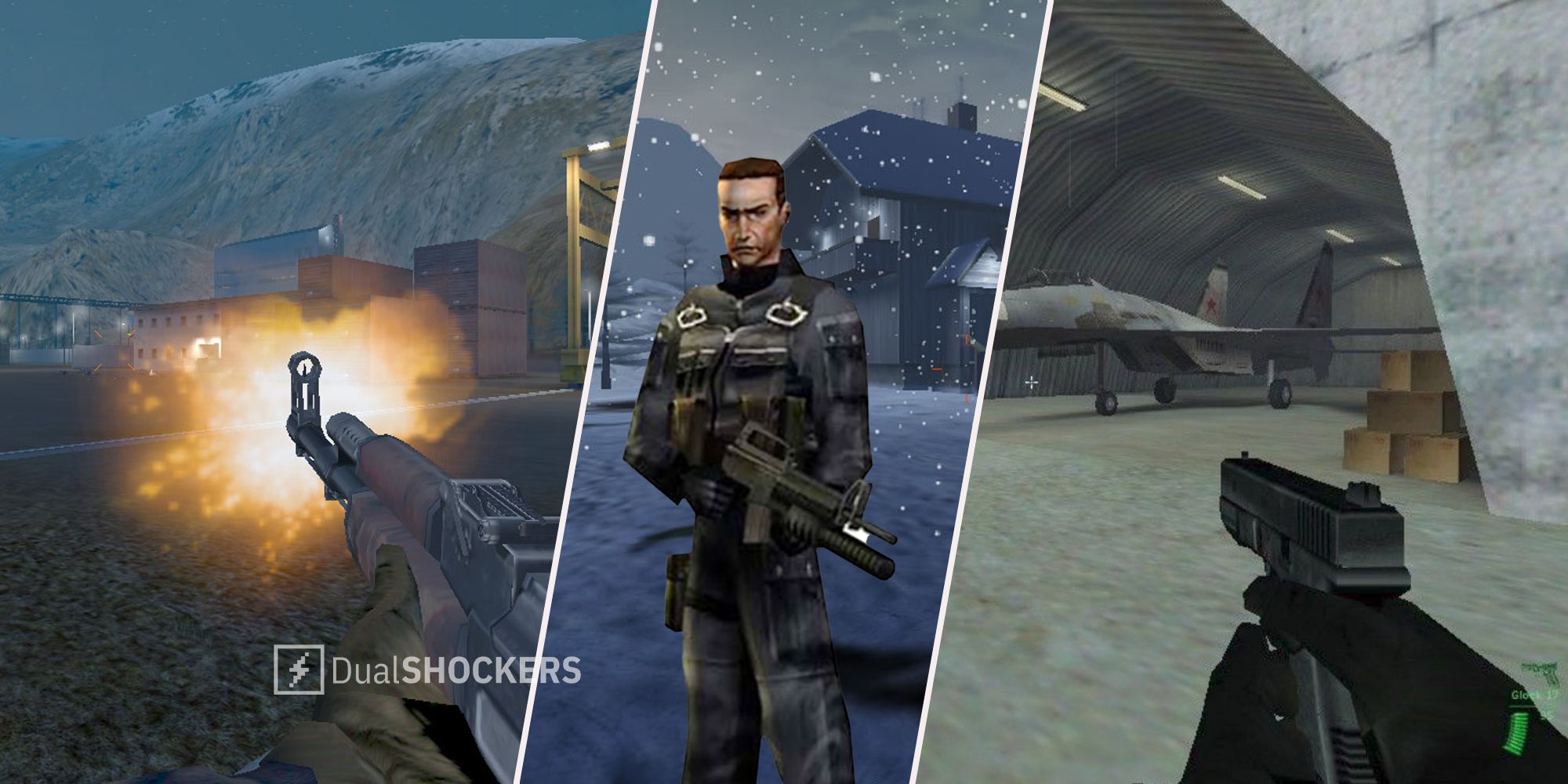
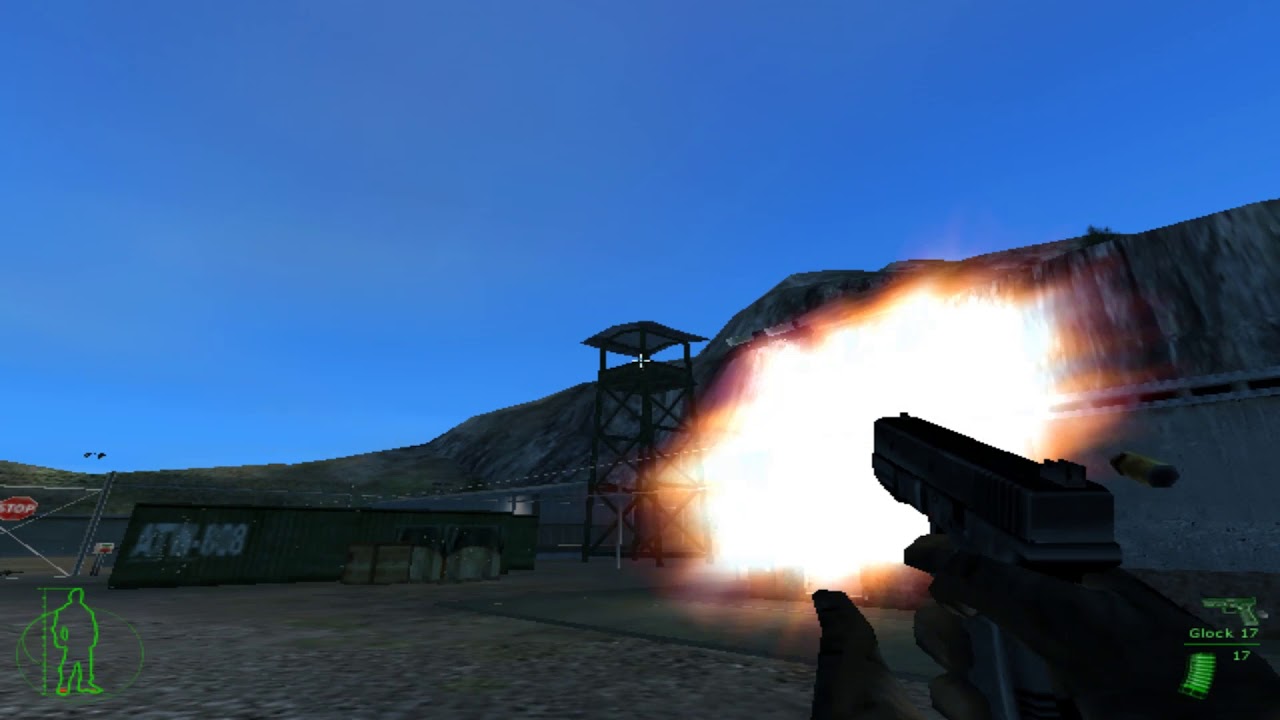
Project IGI: I’m Going In boasts highly detailed textures that enhance the visual experience. The game effectively utilizes ambient lighting to simulate different times of the day and varying weather conditions, enriching the setting. The weapon models are particularly realistic, featuring engaging interactions with the environment, such as leaving behind bullet holes on surfaces.
Sound Design:
While the game offers an immersive background score designed to enhance the player’s experience, the voice acting has been criticized for lacking depth. Certain characters switch to speaking in English rather than their native tongues, which can disrupt the authenticity of character interactions.
—
System Requirements
Minimum Requirements:
– Operating System: Windows 95, 98
– CPU: Intel Pentium II 300 MHz
– RAM: 64 MB
– Hard Disk Drive: 500 MB
– Graphics Processing Unit: 8 MB of VRAM (DirectX 7.0 compatible)
– Additional: 4X CD-ROM Drive
Recommended Specifications:
– Operating System: Windows 95, 98
– CPU: Intel Pentium II 300 MHz
– RAM: 128 MB
– Hard Disk Drive: 500 MB
– Graphics Processing Unit: 16 MB of VRAM
– Additional: 8X CD-ROM Drive
—
Reception and Legacy
Reception:
At the time of its release, Project IGI: I’m Going In garnered mixed reviews. Critics praised the game’s rich graphics and sound design but were disappointed with the poorly programmed AI, lack of mid-game saving options, and absence of multiplayer features. These shortcomings overshadowed what many believed could have been a flagship title in tactical shooters.
Legacy:
The influence of Project IGI: I’m Going In can still be seen in the gaming landscape today. It spawned a sequel, I.G.I.-2: Covert Strike, in 2003, and a prequel, I.G.I. Origins, announced in 2019, although the latter has faced setbacks due to the closure of the development studio.
—
Running the Game on Modern Systems
Compatibility Issues:
As technology has advanced, running Project IGI: I’m Going In on contemporary systems, particularly Windows 10, can be problematic due to compatibility issues typical of older software. However, tools such as dgVoodoo2 can be utilized to enhance performance and resolve some of these challenges, allowing players to relive the experience with improved stability.
—
Conclusion
Project IGI: I’m Going In remains a notable title in the tactical first-person shooter genre, combining stealth with action in a compelling narrative. Despite its shortcomings and challenges in modern compatibility, the game’s graphics, sound, and distinctive approach to gameplay continue to resonate with nostalgic players and new gamers alike.

Leave a Reply