
Overview of Timeline Mechanics in Split Fiction
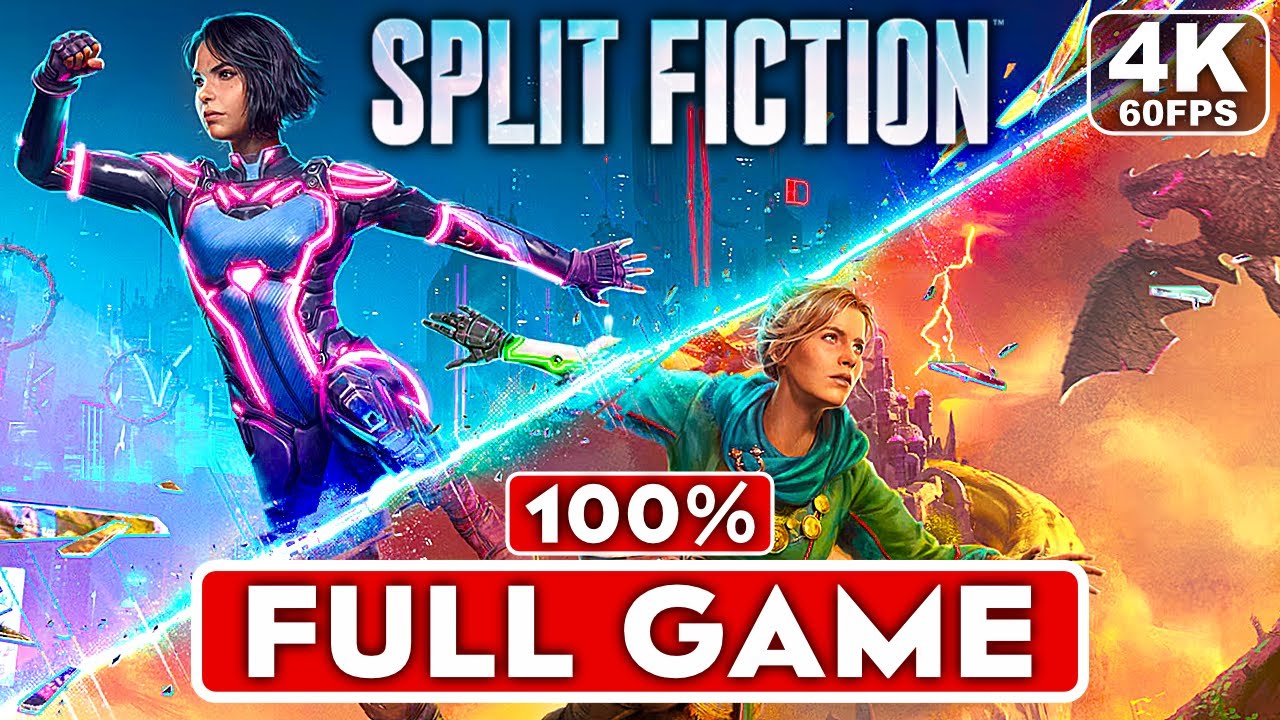
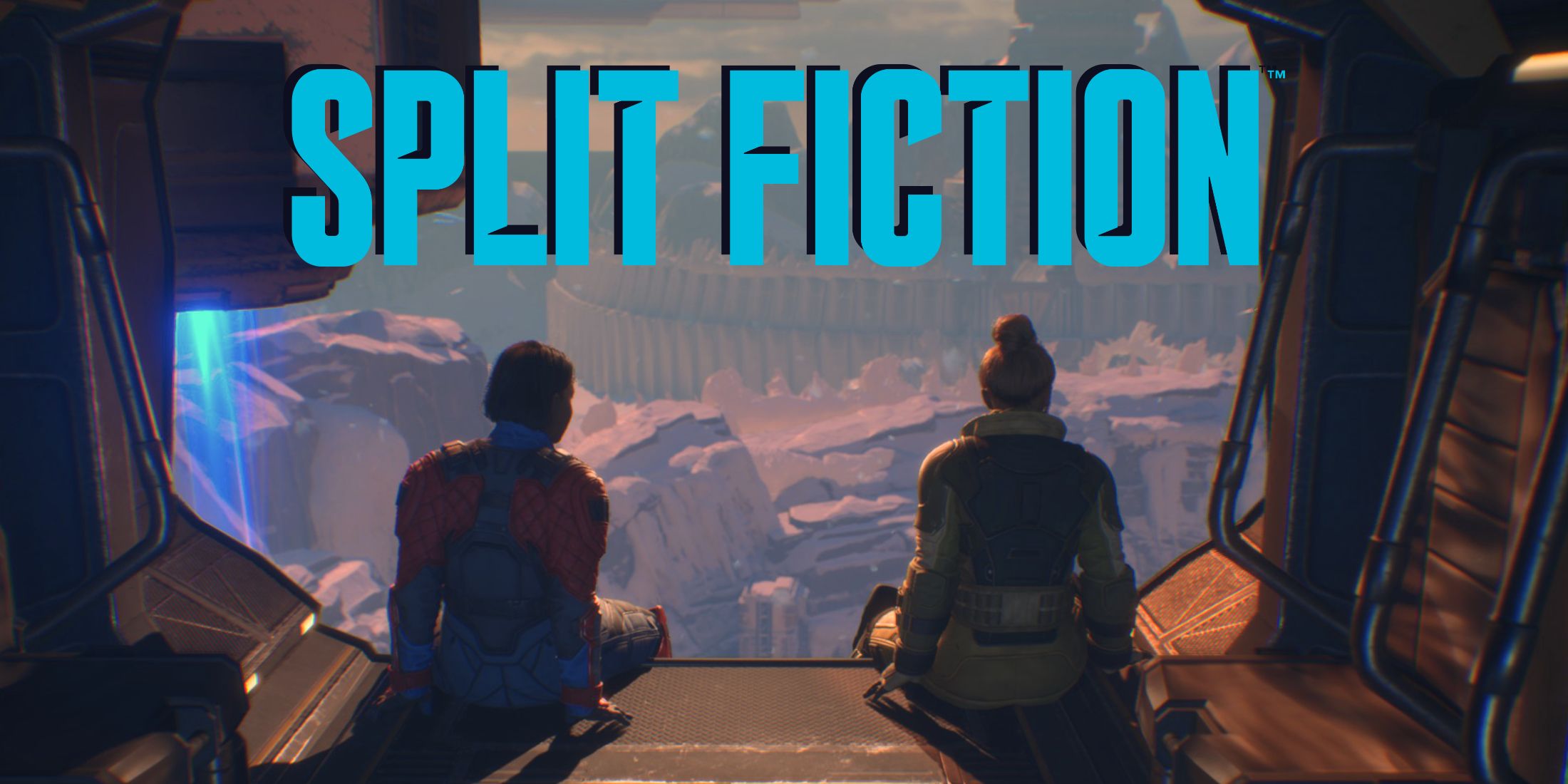
Split Fiction introduces a compelling gameplay experience through its innovative “split mechanic,” which allows players to navigate between multiple parallel storylines seamlessly. Central to the experience are two protagonists, Zoe and Mio, whose fictional worlds are designed to challenge their creativity while they work collaboratively to escape a complex simulation.
Gameplay Mechanics and Timeline Switching
1. Narrative Structure
Players engage with two distinct narrative threads, each representing a unique fictional world crafted by the protagonists. The overarching goal is to escape these simulated realities, creating a rich and immersive storytelling experience.
2. Timeline Interaction
The game’s split mechanic allows players to influence and interact with various timelines effectively. Actions taken in one narrative can have direct repercussions in another. For example:
– Puzzle Solutions: Completing a challenge in one timeline may unlock new pathways or reveal secrets in another.
– Combat Engagement: Defeating adversaries in one reality might provide players with resources or advantages in their parallel battles.
This interconnectedness fosters an engaging action-adventure and puzzle-solving experience that is crucial to the gameplay.
3. Level and Environment Transitions
Each level introduces players to unique environments that reflect the different hypothetical worlds fashioned by Zoe and Mio. The transitions between these settings are not just visual but also entail new abilities and gameplay mechanics that enhance the narrative and affect gameplay progression.
4. Co-op Play
Split Fiction is designed with cooperative gameplay in mind. Players must collaborate effectively across these intertwined realities. Rather than controlling switches between timelines explicitly, the game incorporates the split mechanic into daily activities, requiring teamwork to tackle the myriad challenges that emerge from the interconnected storylines.
Engaging with Multiple Timelines in Gameplay
While direct controls for switching timelines are absent, gameplay revolves around the natural interaction with multi-layered narratives, showcasing the following:
1. Dynamic Transitions
Transitions between different realities occur organically as players progress through the game, ensuring an immersive experience. This design choice allows players to delve into the intricate layers of the narrative without needing to pause and manually switch contexts.
2. Puzzle-Solving and Combat Mechanics
Gameplay encourages participants to engage actively with their environments, solve complex puzzles, and face enemies across diverse realities. The connection between timelines is maintained as players navigate through their actions, ensuring that the effects of their choices resonate throughout different story arcs.
Conclusion
In summary, Split Fiction does not rely on conventional methods for switching timelines. Instead, it employs an organic storytelling approach integrated into gameplay mechanics that enrich the player experience. The split mechanic facilitates dynamic interactions across multiple parallel storylines, ensuring a cohesive and engaging adventure as players strive to escape the imaginative confines created by Zoe and Mio. This innovative structure promises a fresh take on narrative-driven gameplay, emphasizing teamwork, engagement, and creativity.


Leave a Reply