
Exploring the Unique Narrative Structure of Split Fiction: A Fusion of Sci-Fi and Fantasy
Split Fiction stands out in the gaming landscape through its innovative approach to narrative, eschewing the traditional concept of factions in favor of a rich intertwining of two distinct storytelling genres: science fiction and fantasy. This design choice enables a creative exploration of themes, characters, and collaborative gameplay that underscores the emotional journeys of the protagonists, Mio Hudson and Zoe Foster.
Narrative Duality: Sci-Fi vs. Fantasy
1. Character Profiles:
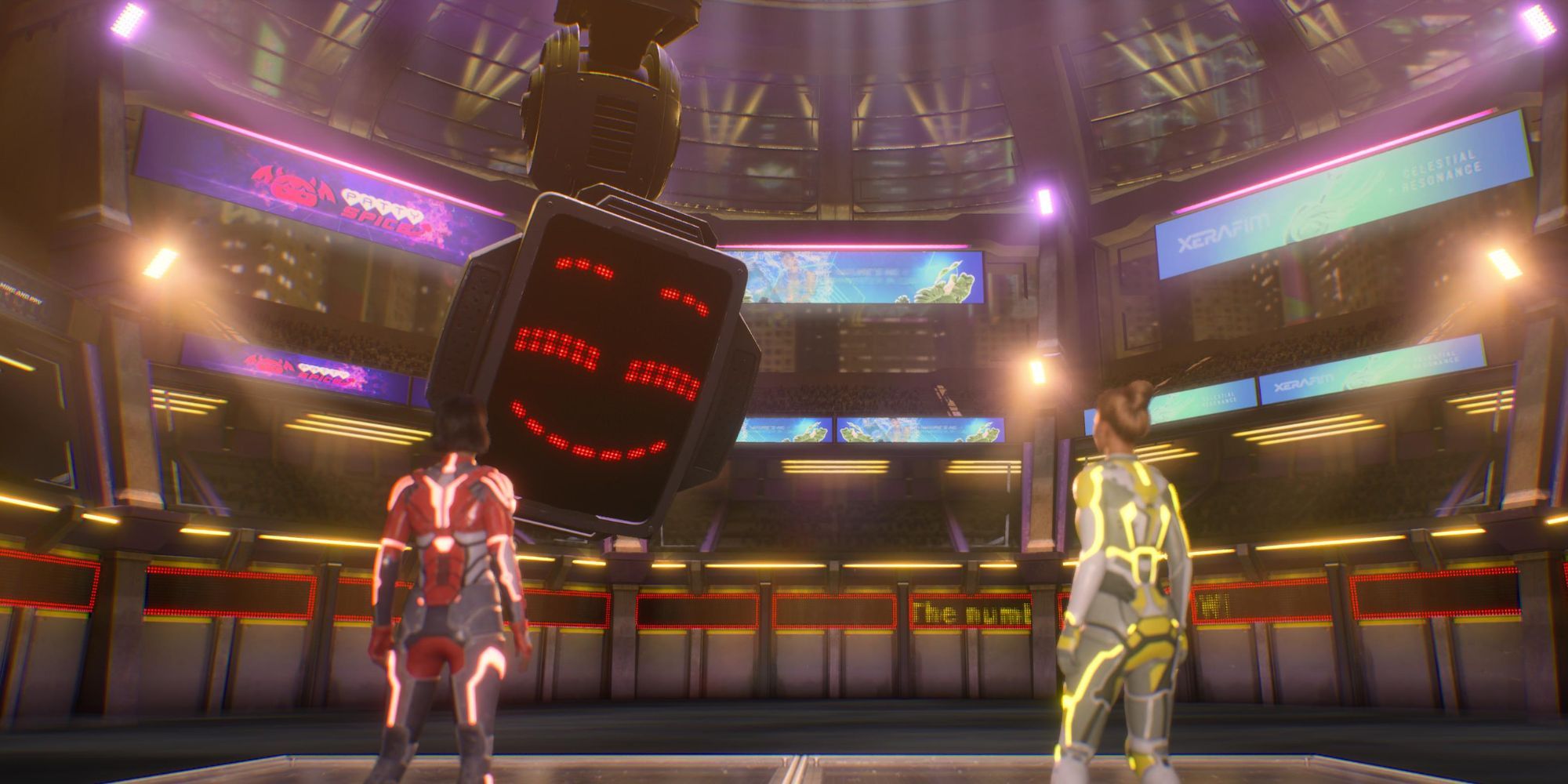
– Mio Hudson (Sci-Fi): As a science fiction author, Mio’s narratives are laden with futuristic technology, cybernetic enhancements, and dystopian landscapes. Her involvement with characters such as cyber ninjas and robots not only captures the essence of a high-tech world but also reflects deeper themes such as the implications of technological advancement on society and the human experience. Mio’s story serves as a commentary on isolation and the quest for identity in a digital age.
– Zoe Foster (Fantasy): In stark contrast, Zoe embodies the traditional elements of fantasy storytelling. Her world, populated by dragons, trolls, and magical realms, is rich in imagination and wonder. Zoe’s narratives delve into themes of heroism, friendship, and the struggle against evil. They provide a counterbalance to Mio’s technologically-driven tales, evoking the nostalgia and escapism often associated with fantasy literature.
Key Elements of Story Integration
Interconnected Storylines: The heart of Split Fiction lies in its narrative integration. Mio and Zoe, through their unique stories, must collaborate to escape a simulated world. Their interactions create a dynamic synergy, as elements from both genres influence the progression of the game. Challenges often require creative solutions that draw upon the strengths and abilities specific to each genre.
Emotional Themes: Central to the narrative are the emotional arcs of Mio and Zoe. Their backstories and personal traumas are intricately woven into the gameplay, affecting not only their individual development but also their relationship with each other. As players navigate the challenges of the simulated world, they uncover layers of vulnerability, resilience, and growth, revealing a deep connection that transcends their genre differences.
Gameplay Dynamics
Collaborative Gameplay: Split Fiction encourages players to work closely together, leveraging the distinct abilities of both Mio and Zoe. This cooperative gameplay mechanic is akin to the collaborative experience seen in titles like It Takes Two, yet it introduces a fresh dimension by incorporating thematic elements from both sci-fi and fantasy. Players are prompted to strategize and problem-solve in ways that require an appreciation for both genres, creating a gameplay experience that is both engaging and rewarding.
Thematic Exploration: By blending sci-fi and fantasy, the game allows for a unique thematic exploration that transcends typical genre conventions. Players encounter challenges that intertwine technology with magic, creating opportunities for inventive gameplay mechanics that highlight the intersection of both worlds. This duality not only elevates the storytelling but also fosters an immersive experience that invites players to think critically about the narratives they are engaging with.
Conclusion
Split Fiction’s distinctive structure, emphasizing collaboration between sci-fi and fantasy narratives, enriches the player experience by offering a compelling blend of storylines and characters. The game’s focus on cooperation, emotional depth, and innovative gameplay mechanics fosters a unique adventure that transcends traditional genre boundaries. By focusing less on factional conflicts and more on the intertwined journeys of Mio Hudson and Zoe Foster, Split Fiction provides a refreshing perspective on storytelling in video games, inviting players to engage with narrative in a deeply meaningful way.


Leave a Reply