
Overview of Split Fiction’s Narrative Structure
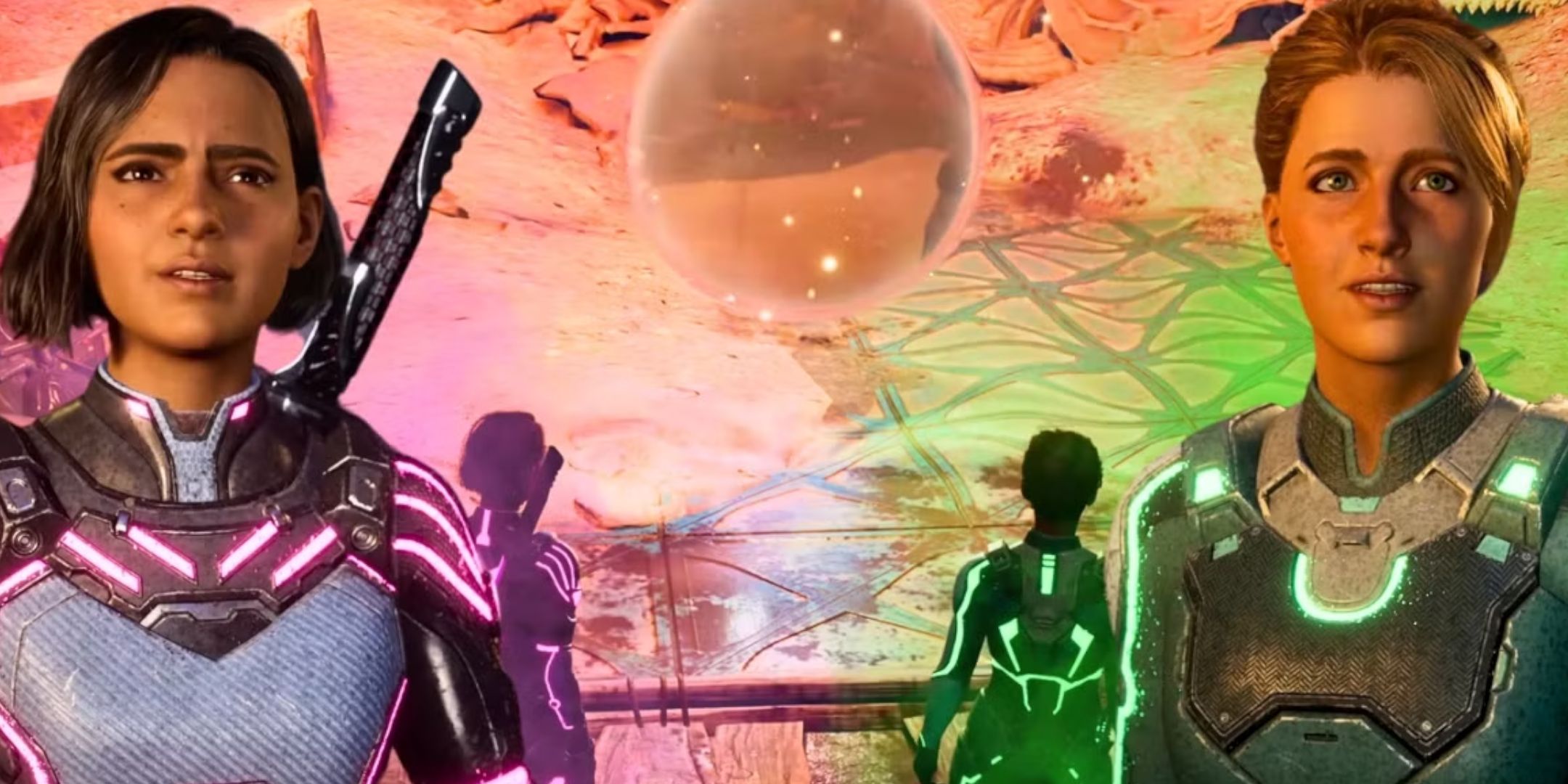
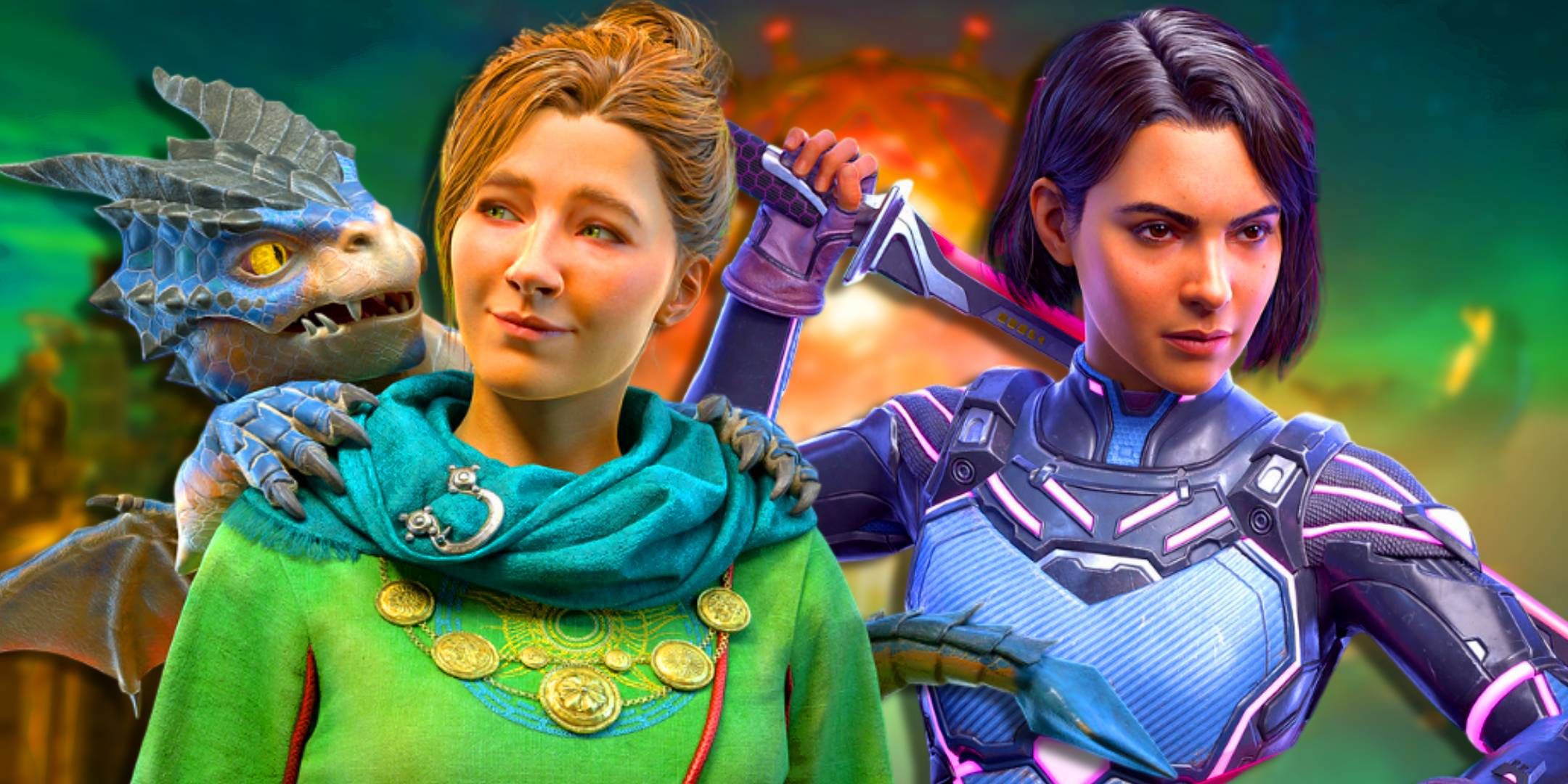
In Split Fiction, the storytelling approach takes a unique form that diverges from traditional choice-driven narratives. Instead of allowing players to influence the main storyline through their decisions, the game centers around the adventures of two characters, Mio and Zoe, who find themselves entangled in a simulation crafted by Rader Publishing. Their primary objective is to escape this crafted reality while thwarting the company’s endeavors to harness their creative ideas. This structured narrative framework creates a distinctly engaging gameplay experience.
Core Narrative
1. Primary Storyline: The central focus remains on Mio and Zoe’s shared journey. As they face challenges and unravel the mystery behind their entrapment, players progress by solving puzzles, navigating levels, and collaborating to overcome obstacles. This consistency in the core narrative permits a clear progression that keeps players engaged without the need for divergent story paths based on choices [1][2][5].
2. Character Development: Rather than altering the overarching plot, the game delves into the rich backgrounds and personal growth of Mio and Zoe. By engaging with their side stories and completing specific encounters, players can gain insights into their histories and interpersonal dynamics, enriching the overall experience without shifting the central narrative [1][3].
Side Stories and Optional Content
1. Creative Variety: The inclusion of Side Stories introduces a plethora of imaginative scenarios that complement the main storyline. These optional encounters range from thrilling escapades like water-skiing chases to whimsical adventures in a sausage factory. While they contribute creatively to the game’s fabric, they do not impact the primary plot, serving instead to enhance the game’s variety [1][3][4].
2. Enhancing Replayability: Engaging with Side Stories offers players an opportunity to explore the game’s diverse mechanics and settings, adding depth to the overall experience. Although these do not change the direction of the main narrative, they enrich the gameplay and encourage exploration, ultimately enhancing replay value [3][4].
Replayability and Perspective
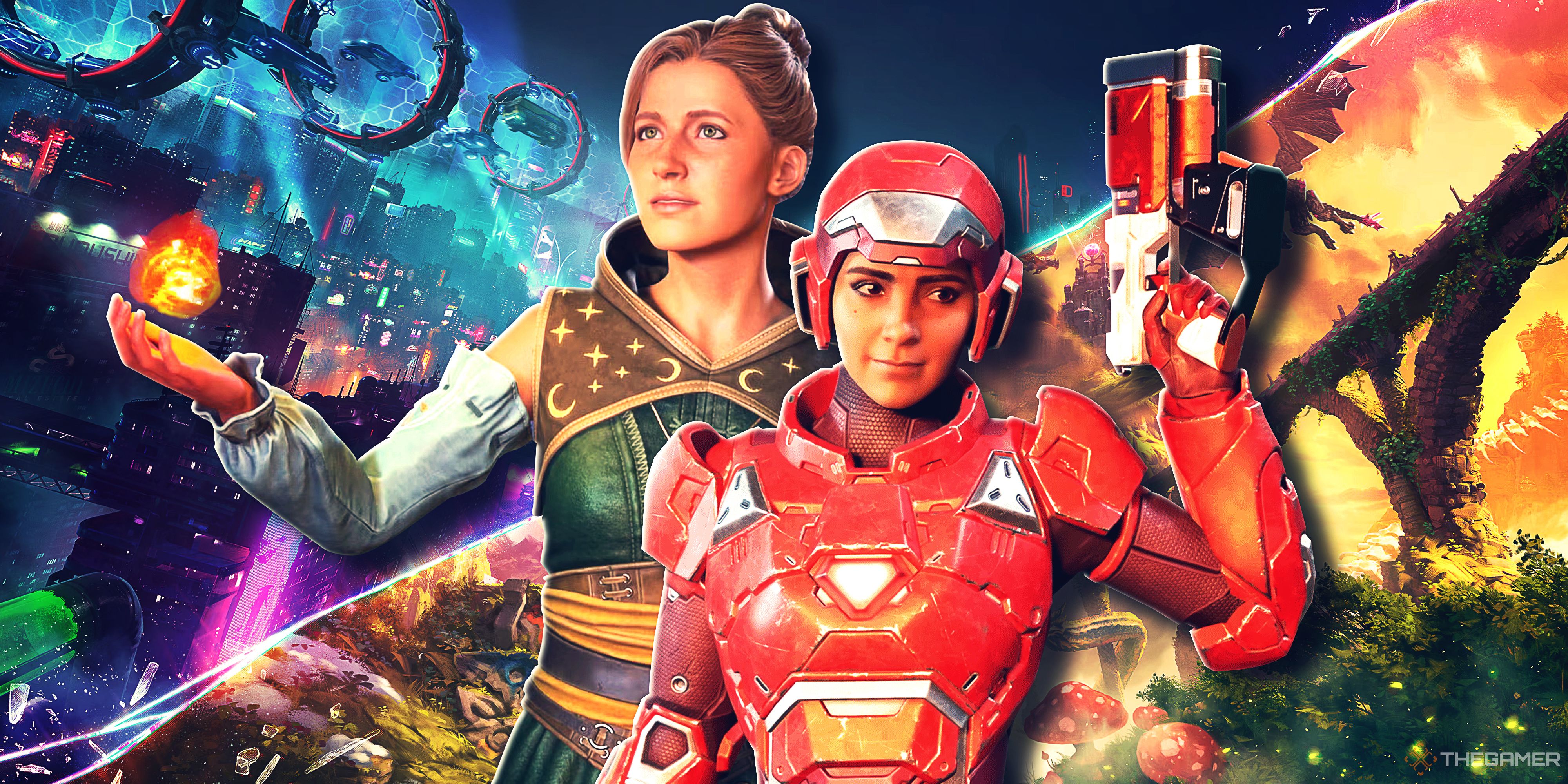
1. Character Perspectives: A notable variation comes from the ability to play as either Mio or Zoe. Each character possesses distinct skills and perspectives that influence how puzzles are approached and how players interact with various elements of the environment. While the primary story remains unchanged, the gameplay experience shifts based on character choice, providing a fresh take on the same challenges [5].
2. Replay Value: The option to replay levels by switching characters offers a dynamic element to the gameplay. Players can explore different strategies and approaches to challenges, allowing for a renewed experience every time they participate in the game [5].
Conclusion
In summary, Split Fiction distinguishes itself through its creative gameplay, in-depth character development, and engaging co-op elements rather than through a conventional, choice-driven narrative. The essence of the game lies in its ability to fascinate players with diverse mechanics and scenarios, which becomes the core of its appeal, allowing for a fresh yet consistent experience with each playthrough [2][3][5]. The combination of a steady narrative foundation and varied gameplay ensures that players remain both entertained and invested, offering a unique blend of storytelling and immersive engagement.


Leave a Reply