
The dynamic seasonal system in Assassin’s Creed: Shadows significantly enhances gameplay by introducing a layered complexity that engages players on multiple fronts. Each season—spring, summer, autumn, and winter—offers distinct environmental and gameplay adjustments that require players to adapt their strategies in stealth, combat, and exploration, enriching the overall player experience.
Impact of Seasons on Gameplay
Environmental Changes
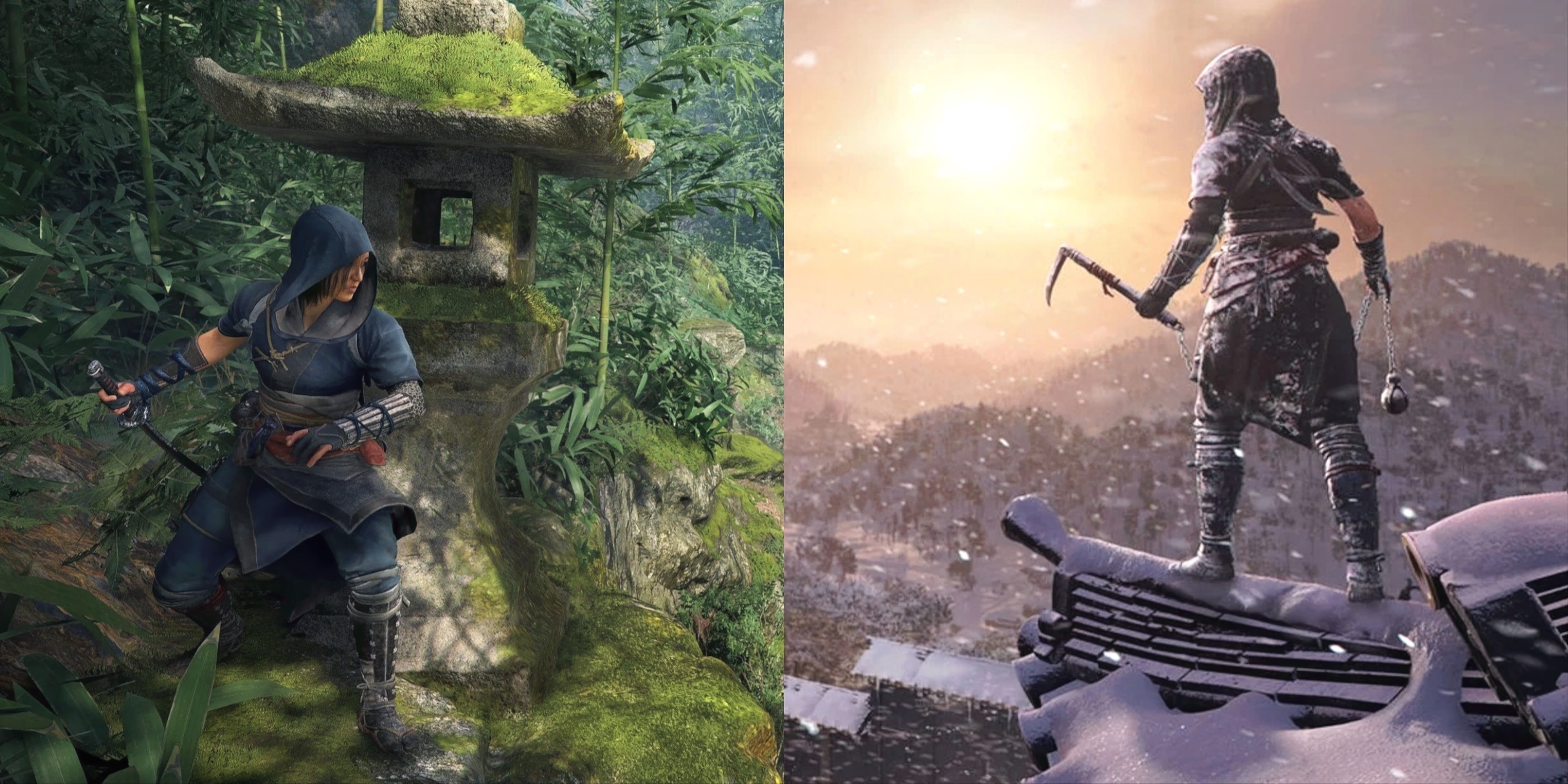
– Spring and Summer: These seasons are characterized by vibrant foliage and abundant vegetation, creating ample hiding spots for players. The lush landscape not only supports stealth tactics but also opens up unique ambush opportunities. Moreover, players can utilize bodies of water for concealment; however, summer’s frequent rain can create a natural auditory cover, allowing for stealthier approaches. Players must stay vigilant, balancing the benefits of cover with the slick, muddy terrain that may hinder mobility.
– Autumn: This season presents a transition marked by the shedding of leaves and harvest visuals. The combination of decaying foliage and limited cover can challenge players’ stealth strategies. While the environment may offer less concealment, the rich palette of colors provides aesthetic beauty and may offer strategic opportunities for distraction. Manipulating the environment, such as using fallen leaves for cover or creating disturbances with harvest materials, becomes essential.
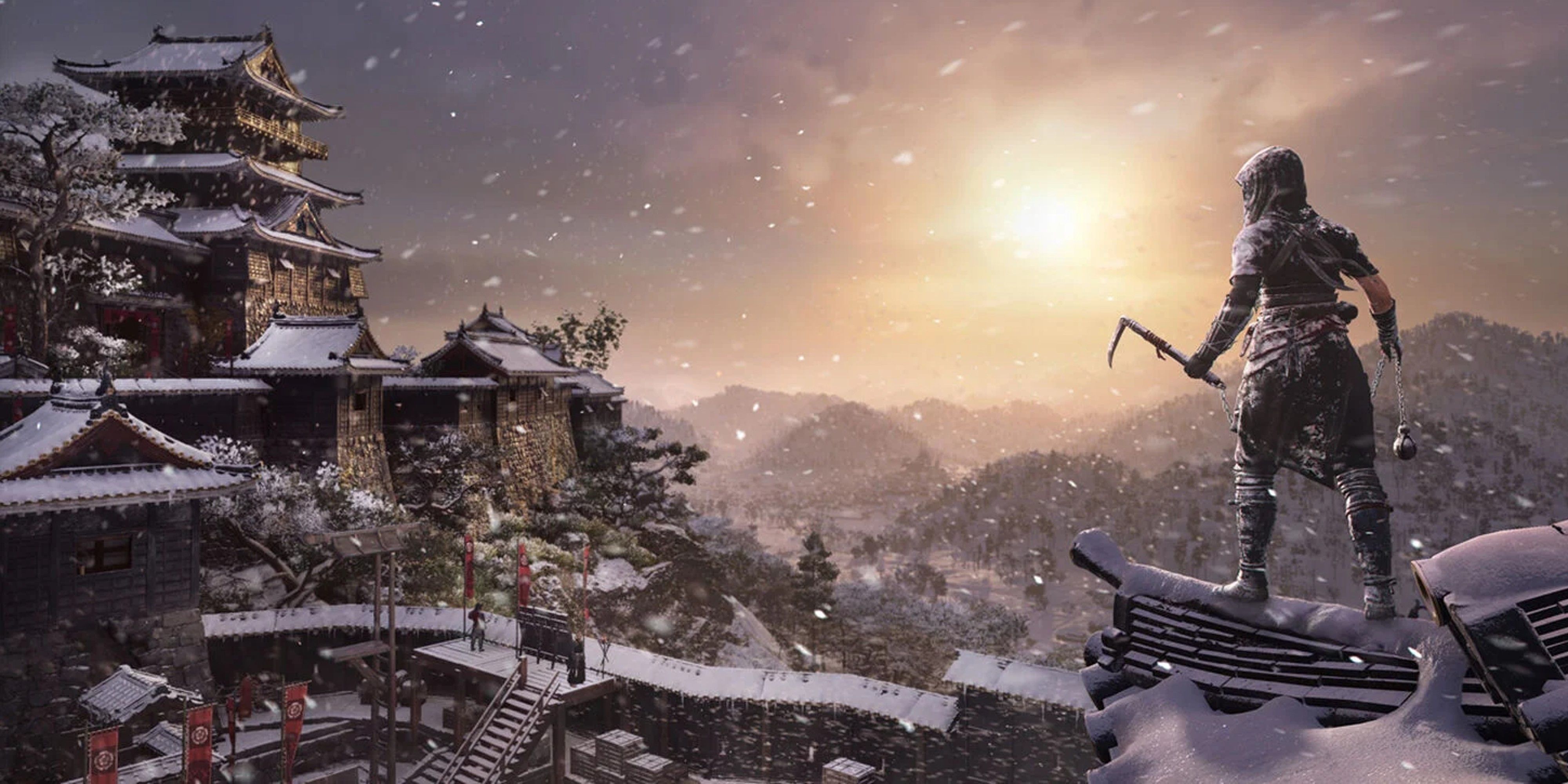
– Winter: A stark contrast to previous seasons, winter introduces frozen water bodies, allowing players to traverse areas that would otherwise be impassable. However, this change also removes options for underwater stealth, demanding a shift in tactics. Snowy conditions enhance stealth by obscuring movement; however, players must also be wary of leaving tracks that can reveal their presence. The harsh winds add an additional layer of complexity by muffling sound, enabling stealth maneuvers under the right conditions.
Enemy Behavior
Seasonal shifts notably affect enemy AI behavior. In winter, for instance, enemies often congregate around fires for warmth, presenting opportunities for area-of-effect attacks. The reduced visibility and changes in patrol patterns during winter can create a more challenging environment, requiring players to adapt their approach based on the seasonal behavioral patterns of adversaries.
Resource and Contract Refresh
Midway through and at the conclusion of each season, the game refreshes certain elements, including scout deployments and Contracts. This reset not only introduces new challenges but also refreshes the strategic landscape, giving players fresh opportunities to engage with missions and resources. The cyclical nature of this system encourages players to remain active and engaged, knowing their opportunities will evolve.
Season-Specific Activities and Quests
Each season is also host to unique quests and activities, with certain missions and collectible Sumi-e paintings only accessible during specific times. Players must be cognizant of the seasonal time frame, coordinating their in-game tasks to maximize their contribution and progress before the season changes. This adds a sense of urgency and encourages strategic planning.
Visual and Aesthetic Changes
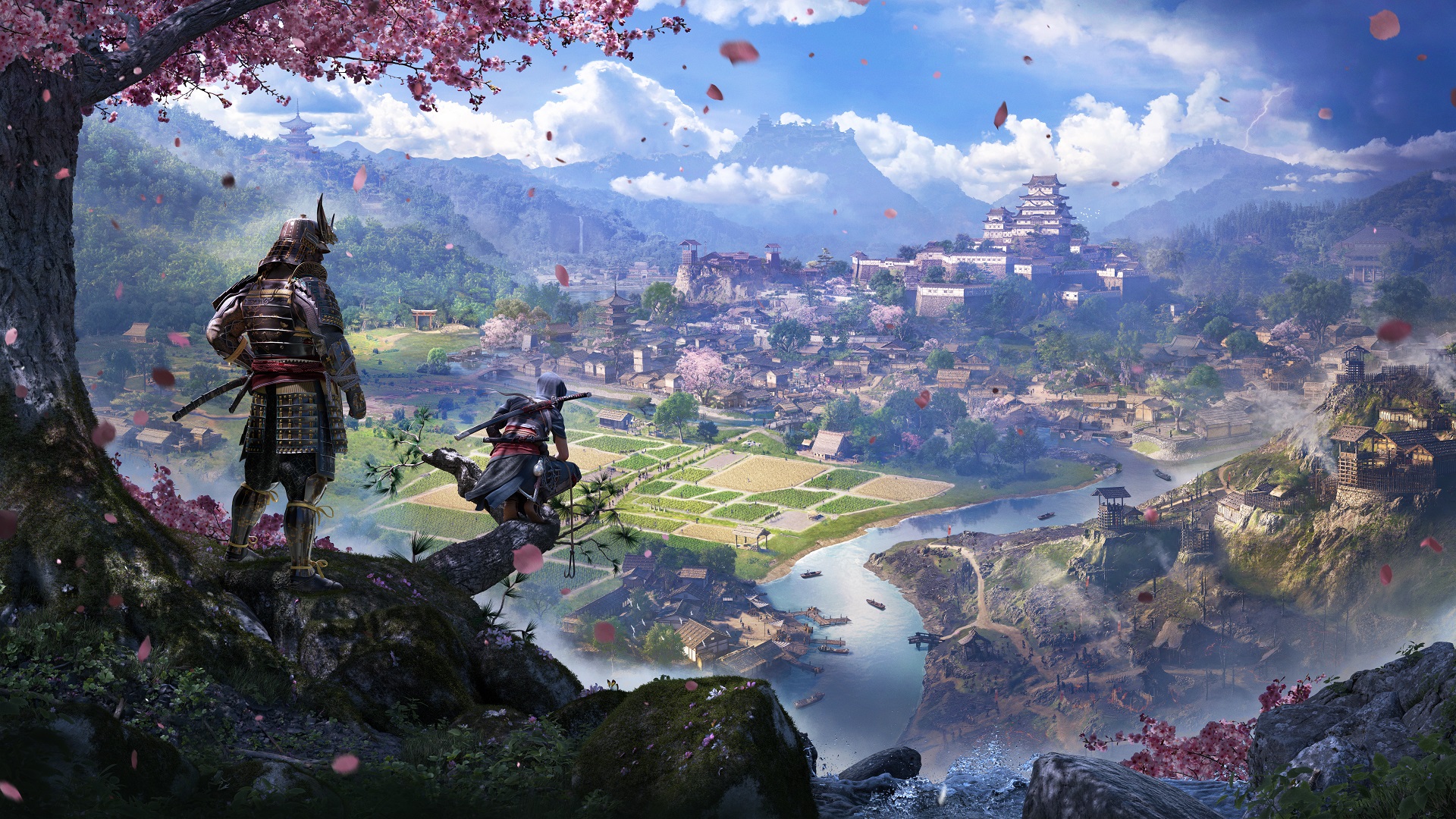
The visual representation of each season is dramatically distinct, from the vibrant cherry blossoms of spring to the stark beauty of winter’s snow. These aesthetic changes not only enhance immersion but also influence gameplay by altering how players perceive and navigate their surroundings. Aesthetics play a critical role in maintaining player engagement, providing a visually striking backdrop that shifts with the seasons.
Gameplay Strategy and Adaptation
Players are required to continually modify their tactics to exploit the advantages and navigate the challenges inherent to each season. This adaptation can include leveraging weather conditions to cover movement, utilizing the strategic hiding spots that specific seasons provide, and preparing for the ebb and flow of resources and contract opportunities based on seasonal changes. Successful navigation of this dynamic system involves a deeper understanding of both the environment and strategic gameplay.
Conclusion
In summary, the seasonal system in Assassin’s Creed: Shadows introduces significant dynamic gameplay elements that compel players to regularly alter their strategies, enriching the realism and replay value of the game. Through its thoughtfully designed environment and seasonal mechanics, the game challenges players not only to think critically about their immediate objectives but also to anticipate and adapt to the seasonal rhythms of their world. This intricate system drives player engagement and enhances the overall experience within the Assassin’s Creed universe.

Leave a Reply