
In Dragon Age: The Veilguard, the interactivity of dialogue choices is a defining element, especially for shaping character relationships and influencing story arcs. While these choices do provide a level of depth, they exhibit a more nuanced impact compared to some other titles in the Dragon Age franchise, such as Dragon Age: Inquisition.
Impact on Character Relationships
One of the most tangible ways dialogue choices affect the game is through companion approval ratings. Players engage with key characters like Neve, Davrin, and Lucanis, where responses can lead to fluctuations in how much these companions favor the player character. For example, expressing gratitude toward Neve upon her return to the Lighthouse with the dialogue option “Thanks for coming back” results in an increase in her approval rating. This dynamic encourages players to consider their tone and choices carefully in conversations, as the emotional resonance of their replies can foster positive relationships or create rifts.
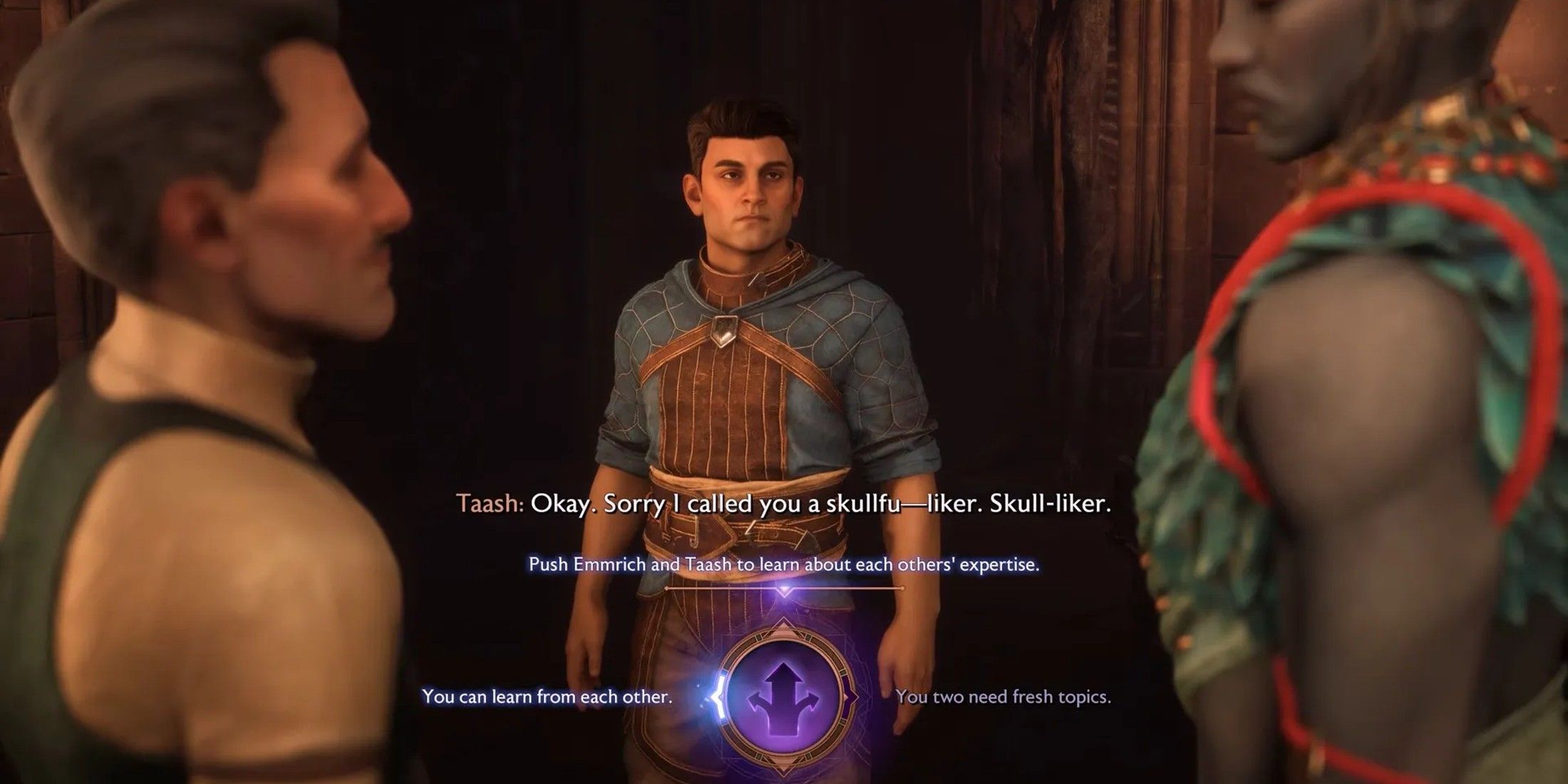
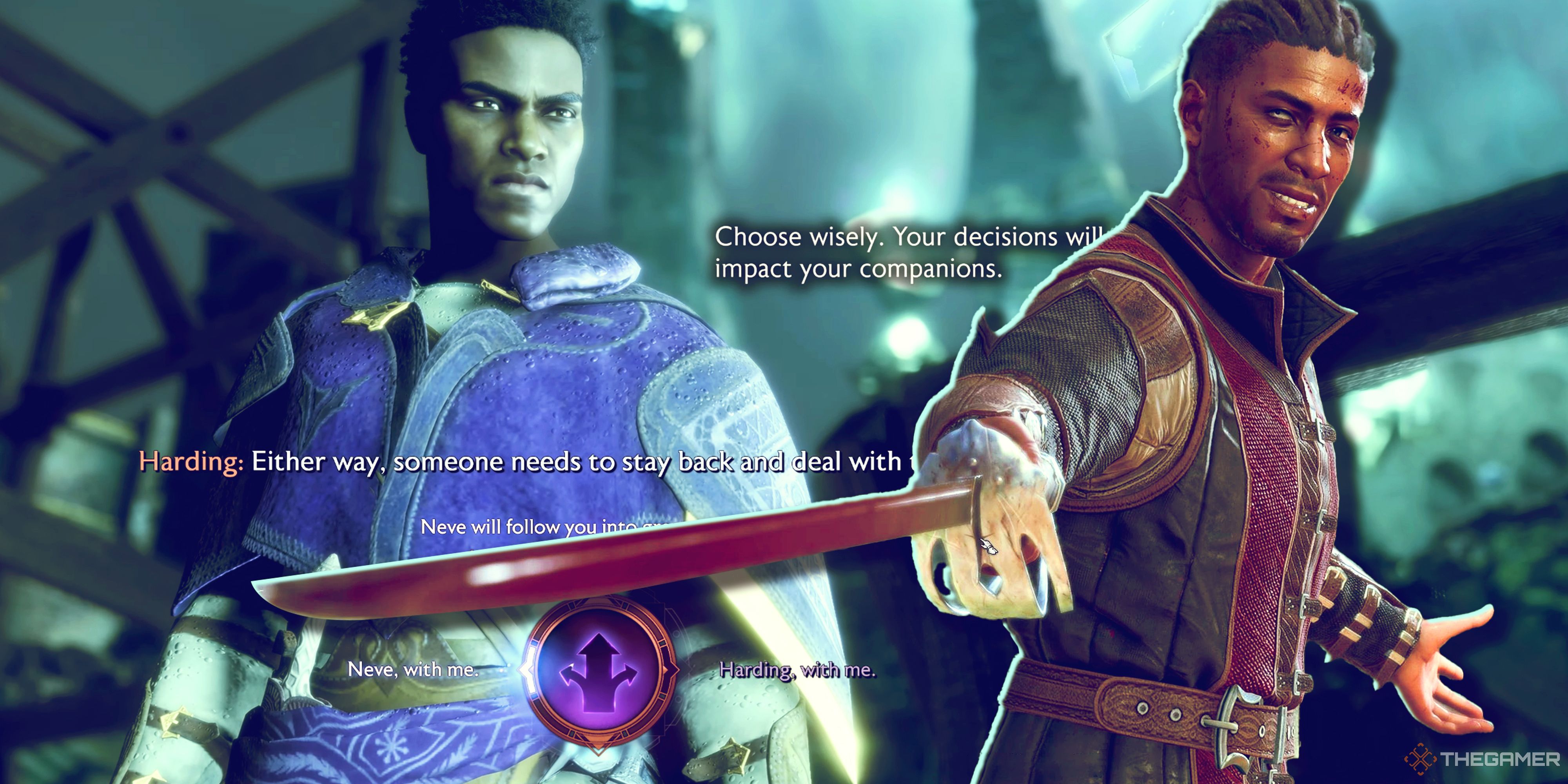
Romantic relationships also hinge on carefully chosen dialogue. Engaging with romantic interests such as Taash and Harding requires players to navigate through conversations that can subtly alter the course of these relationships. Empathetic and understanding responses can deepen the connection with Taash, whereas specific selections in dialogues with Harding could directly steer the romantic interaction toward greater commitment or even exclusivity. Thus, the player’s choices within these dialogues become a pivotal mechanism for developing intimacy and trust.
Impact on the Overall Narrative
Despite the nuanced impact on character relationships, the overarching narrative in The Veilguard doesn’t shift as dramatically based on dialogue choices as seen in earlier BioWare titles. While players can experience varied story beats—like different resolutions for quests or alternative fates for certain characters—the core storyline remains relatively intact. This results in a less pronounced narrative divergence, contrasting with the more complex branching paths of earlier installments.
Additionally, the game’s approach to conflict resolution appears more streamlined compared to previous titles. The simplification of its moral and choice systems results in less intense inter-party conflict and limits the potential for developing stories with a “renegade” morality path. This simplification may give conversations an exercise-like quality, where the stakes feel lower and the impact of choices seem muted.
However, The Veilguard still includes significant choices that can meaningfully influence the game’s ending and the fates of crucial characters. These pivotal decisions tend to come not from commonplace dialogue but rather from major plot events or strategic player actions. While these elements contribute to a cohesive narrative, they also lessen the degree to which players feel they are actively shaping the story through their dialogue selections.
Conclusion
In conclusion, while dialogue choices in Dragon Age: The Veilguard play a crucial role in shaping character interactions and certain narrative elements, their impact on the overarching story is less pronounced compared to previous entries in the series. The game’s design seems to prioritize a more cohesive storytelling experience, leading to a streamlined narrative structure with fewer pronounced divergences based on player dialogue. This design choice invites players to enjoy a well-crafted story while still allowing for meaningful interactions with companions and romantic interests.


Leave a Reply