
Overview of the New Combat System in Dragon Age: The Veilguard
Dragon Age: The Veilguard heralds a transformative shift in the combat mechanics of the beloved franchise, moving away from the deep tactical gameplay that characterized earlier entries. This new installment embraces a real-time action combat system designed to enhance fluidity, speed, and direct player engagement with the protagonist, Rook, while companions autonomously manage their combat roles.
Key Changes from Previous Games
1. Action-Oriented Combat: In stark contrast to prior titles that allowed for comprehensive strategic planning and the use of tactical pauses, The Veilguard emphasizes a streamlined, action-packed combat experience. Players engage directly with Rook, the main character, during encounters, which steers the focus away from multi-character management to individual skilled performance.
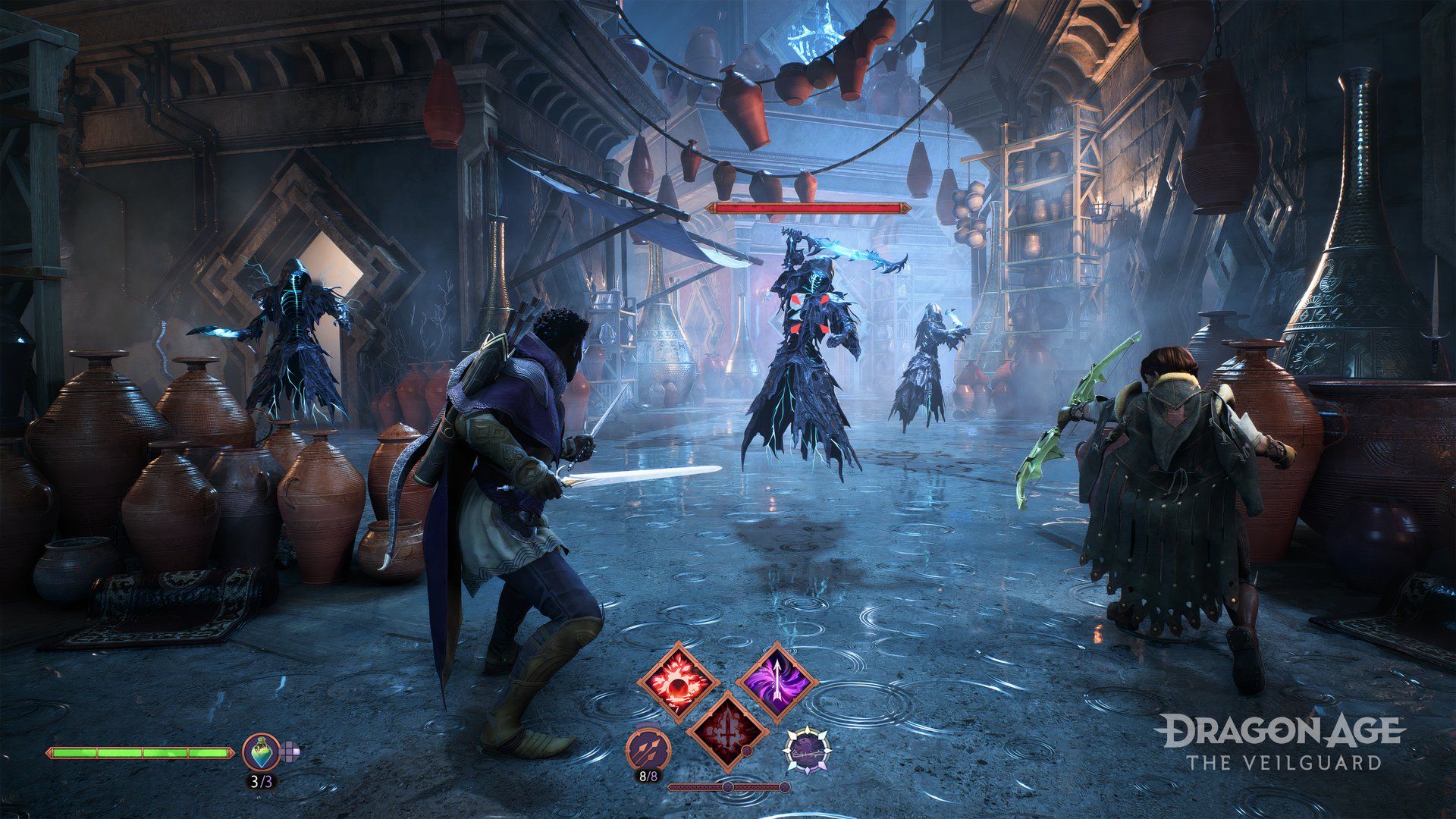
2. Control of Rook: Players have direct control over Rook, choosing from three distinct classes: Warrior, Rogue, and Mage. Each class features two unique weapon sets, which can be changed mid-combat to adapt to evolving battles, promoting versatility and dynamic combat strategies.
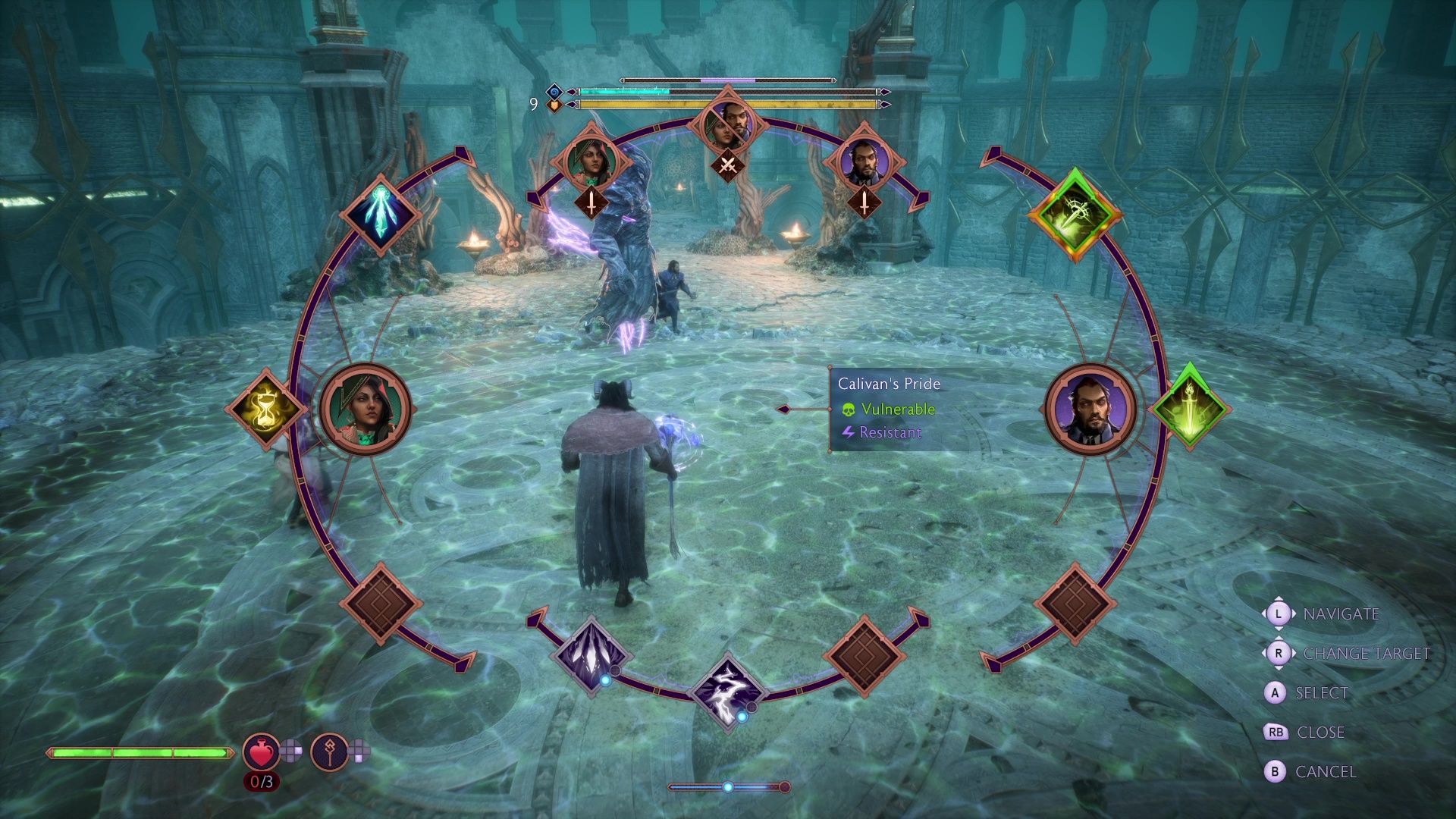
3. Companion Autonomy: In Veilguard, players do not exercise direct control over their companions. Instead, these allies act on their own, with players given the option to issue commands for specific abilities using an Ability Wheel. This setup offers a blend of real-time action with some strategic oversight while keeping the gameplay brisk.
4. Ability Wheel and Tactical Pauses: Although the primary combat style is real-time action, a tactical pause feature is retained. By accessing the Ability Wheel, players can pause the action to assign abilities, study enemy weaknesses, and plan cooperative attacks with their companions, adding a layer of strategy to the otherwise fast-paced combat.
5. Movement and Evasion Mechanics: The new combat system introduces fluid movement options, such as dodging and acrobatic maneuvers, enabling players to evade attacks or close distances swiftly. A visual cue—enemies flashing red—signals unblockable attacks, emphasizing the need for quick reflexes.
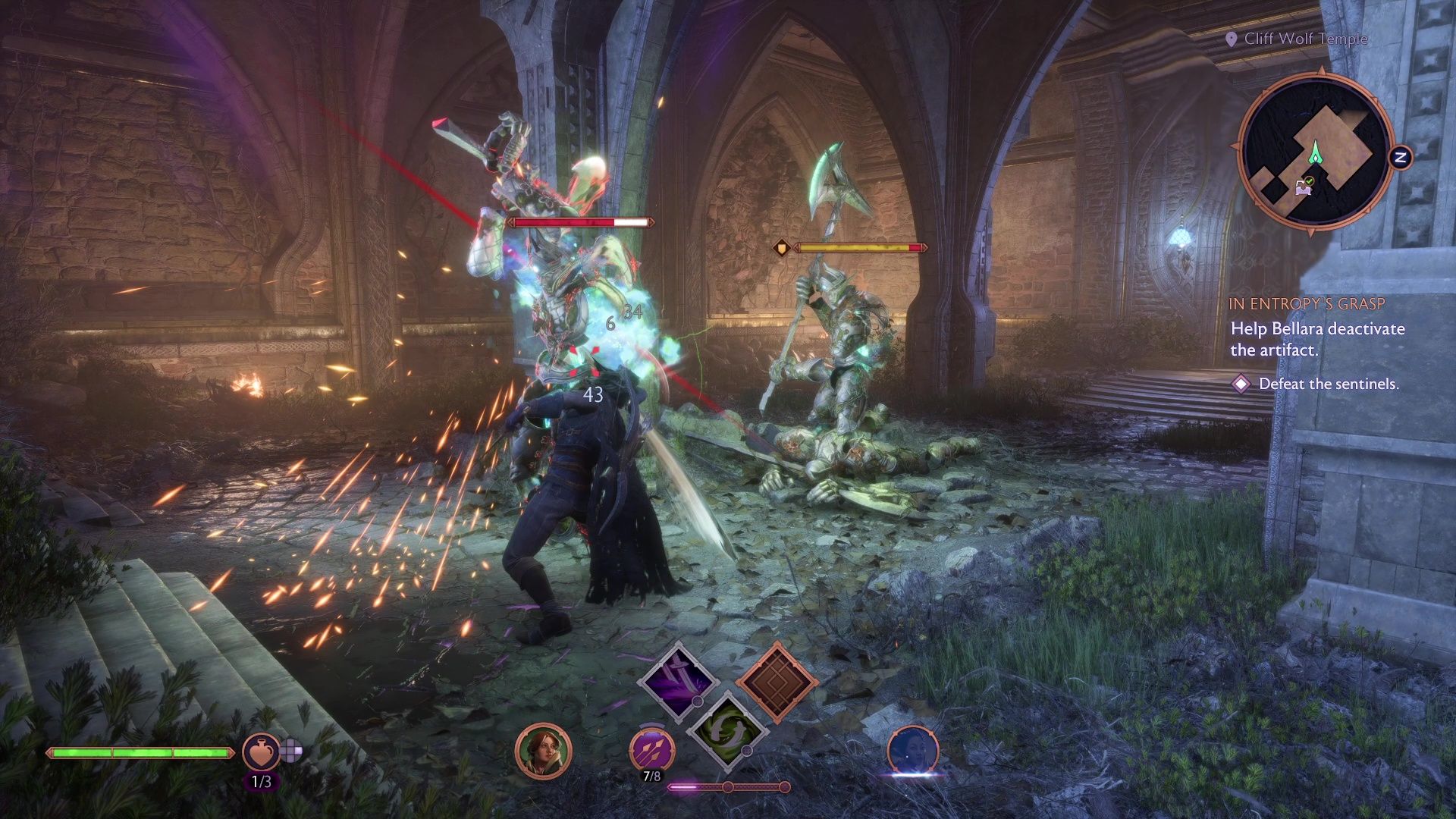
6. Stagger and Takedown Mechanics: The game rewards offensive play by allowing players to build up stagger on enemies through a combination of light and heavy attacks. Once staggered, enemies become vulnerable, enabling Rook to execute powerful takedown moves for additional damage.
7. Shield and Armor Management: Combat complexity is augmented through the introduction of armor and shield mechanics. Enemies exhibit yellow armor bars and blue shield bars, which can only be depleted with specific attack types—heavy attacks break armor, while ranged attacks are required to mitigate shields. This encourages players to carefully choose their attack methods.
8. Resource-Based System: The combat environment features a cooldown-based ability management system, necessitating effective resource management to maximize offensive capabilities. This requires players to engage thoughtfully with their choices, as timing and ability selection become critical under pressure.
Comparison to Previous Games
– Shift from Tactical to Action: The Veilguard notably shifts away from the mixed tactical and action elements found in Dragon Age: Inquisition, opting instead for a predominantly action-driven combat system that reduces the influence of player decisions on companion actions.
– Combat Speed and Complexity: While offering faster-paced encounters, the new system is often viewed as less complicated than earlier titles. The combat may lack the depth and tactical layering that fans have come to expect, making the overall experience feel more accessible but potentially less engaging for those who prefer intricate strategy.
– Party Size Reduction: The game limits party size to three characters, including Rook. This reduction promotes a more intimate combat experience, allowing players to focus intensely on each character rather than managing a larger group dynamic.
Conclusion
In summary, Dragon Age: The Veilguard presents a bold departure from its predecessors with an emphasis on action-oriented gameplay. Through real-time combat enriched with strategic elements such as the Ability Wheel and unique character mechanics, it offers a fresh experience that balances autonomy and direct control. While the game may cater more to action enthusiasts and less to fans of tactical warfare, it undeniably redefines the combat experience in the Dragon Age universe, inviting players into a swifter and more dynamic realm of battle.


Leave a Reply