
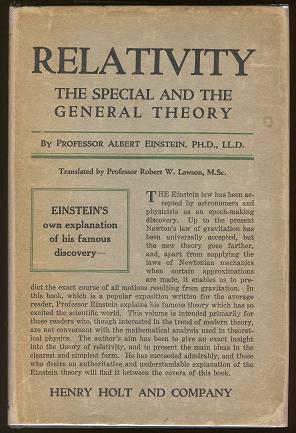
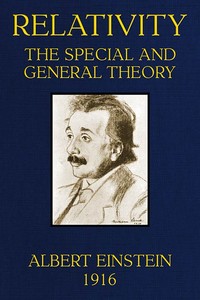
The theory of relativity, formulated by Albert Einstein, fundamentally transformed our understanding of physics through its two main components: special relativity and general relativity. Special relativity, introduced in 1905, focuses on the interplay between motion and the fabric of space and time. It asserts that the speed of light is a universal constant, which leads to remarkable effects like time dilation—where time appears to slow down for objects moving at significant speeds—and length contraction. A pivotal outcome of this theory is the mass-energy equivalence equation \(E = mc^2\), which illustrates how mass can be converted into energy.
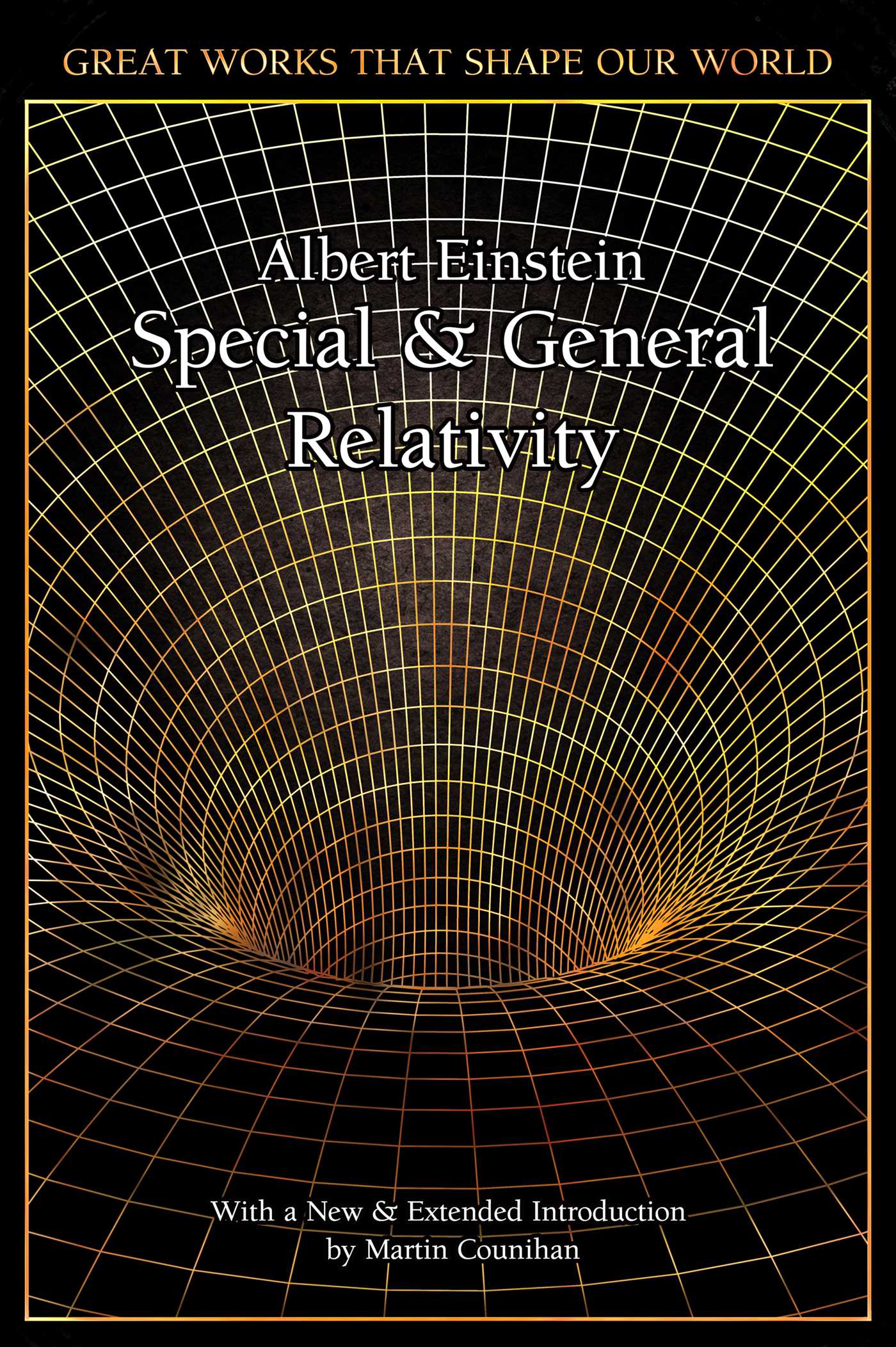
In 1915, general relativity expanded these ideas by describing gravity not as a force, but as the curvature of spacetime created by the presence of mass. This theory allows for the understanding of complex phenomena such as gravitational waves and light bending around massive celestial bodies. Both theories have not only reshaped the scientific landscape but have also had limited but significant implications in areas like educational gaming, where simulations can help users grasp these complex concepts in an interactive manner.


Leave a Reply