
In Indiana Jones and the Great Circle, the innovative use of dialogue choices presents a groundbreaking approach to interactive storytelling, creating a uniquely engaging gameplay experience that evolves with each player’s decisions.
Branching Narratives
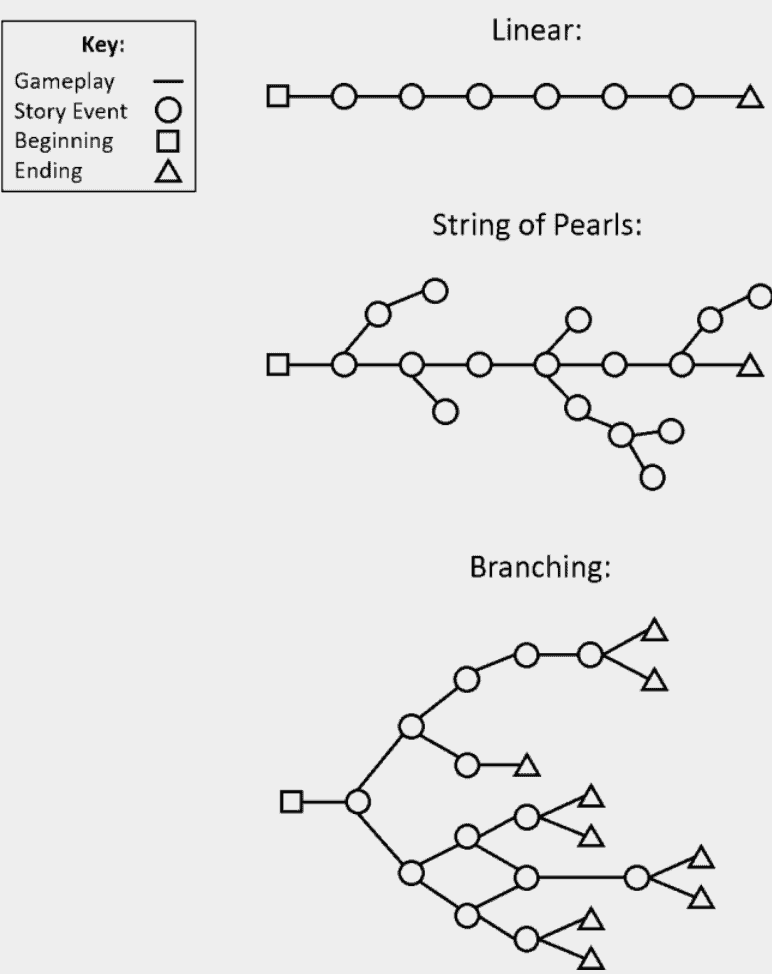
– Player Decisions Matter: At the heart of Indiana Jones and the Great Circle lies the concept of branching narratives. Each dialogue choice made by the player holds weight, leading to distinct story paths and outcomes. This design not only enhances replayability but also allows players to feel their contributions shape the overarching storyline. As they navigate through various scenarios, players can encounter different challenges, allies, and even enemies depending on their choices, highlighting the importance of each decision in relation to the grand narrative.
Character Interactions
– Dynamic Conversations: Utilizing advanced artificial intelligence, the game’s characters engage in dynamic conversations, resulting in responses that react to player choices in real-time. This depth means that dialogues can escalate into conflicts or blossom into alliances, promoting a sense of realism and immersion. For instance, the interactions with pivotal characters like Emmerich Voss or Gina are not just scripted exchanges but can fundamentally shift depending on whether the player adopts a collaborative or confrontational stance. This element of unpredictability enriches the narrative, encouraging players to think strategically about their dialogues.
Emotional Connection
– Character Development: The game’s script is heavily invested in character backstories, allowing players to uncover motivations and personal histories through their dialogue choices. Engaging with the characters thoughtfully can foster a more profound emotional connection, making the player more invested in their fates. This nuanced engagement can influence the narrative trajectory, affecting how characters perceive each other and their evolving relationships throughout the adventure. A choice to express empathy or assertiveness, for example, could reshape a character’s loyalty or animosity toward the protagonist.
Community Involvement
– Community-Driven Narrative: Though not explicitly stated, there exists a tantalizing potential for community-driven elements to be integrated into the game’s structure. Should these be developed, the ability for player interactions to inform online events and collective story arcs could significantly enhance the narrative landscape, enriching the game for the community at large. This feature could provide additional layers of complexity and engagement as players collaboratively influence the storyline, possibly creating unique in-game experiences that reflect the collective actions of the player base.
Example Scenarios
While specific gameplay scenarios remain undisclosed, one can speculate on several impactful choices:
– Interaction with Gina: Depending on how players approach dialogues with Gina, they might foster a range of collaborative dynamics. Choosing to support her ideas could lead to a more effective partnership in missions, whereas dismissing her could cultivate tension and hinder their success together.
– Negotiation with Emmerich Voss: Players may face choices between diplomacy and aggression when negotiating with Voss, leading to vastly different outcomes. A diplomatic approach could open possibilities for cooperation or critical information, while aggression might lead to conflict or missed opportunities.
Conclusion
The integration of dynamic dialogue choices in Indiana Jones and the Great Circle results in a multifaceted and immersive narrative experience. By ensuring that player decisions significantly affect the course of the story and character interactions, the game establishes a compelling framework that offers both depth and replayability. Ultimately, this design fosters engagement and emotional investment, compelling players to navigate the intricate web of choices that define their unique adventure within the iconic universe of Indiana Jones.


Leave a Reply