
In Indiana Jones and the Great Circle, the exploration dynamics are skillfully crafted through a blend of linear and open areas, each offering unique gameplay experiences tailored to diverse player preferences. Here’s an in-depth overview of the characteristics and distinctions between these two types of areas:
Linear Areas
Characteristics:
1. Close Quarters: Linear environments are often confined and structured, exemplified by settings like the Vatican. The gameplay here emphasizes moving through specific, often enclosed locations, creating an intimate atmosphere that guides players along a predetermined path.
2. Narrative Focus: These areas are designed to advance the overarching narrative, featuring clear objectives and designated quest lines that ensure a consistent story flow. Players are nudged along a defined storyline, fostering a cohesive experience that tightly integrates gameplay with the plot.
3. Verticality and Mazelike Design: Despite their linear nature, these areas can boast architectural complexity. For instance, the Vatican’s vertical design includes hidden passageways and multiple levels, which enhance the intrigue while still maintaining a structured pathway.
4. Fewer Exploration Options: Players encounter a limited range of opportunities to diverge from the main storyline, with sparse side quests or hidden secrets compared to more open environments. This design choice keeps the focus on the central narrative and the immediate tasks at hand.
Open Exploration Areas
Characteristics:
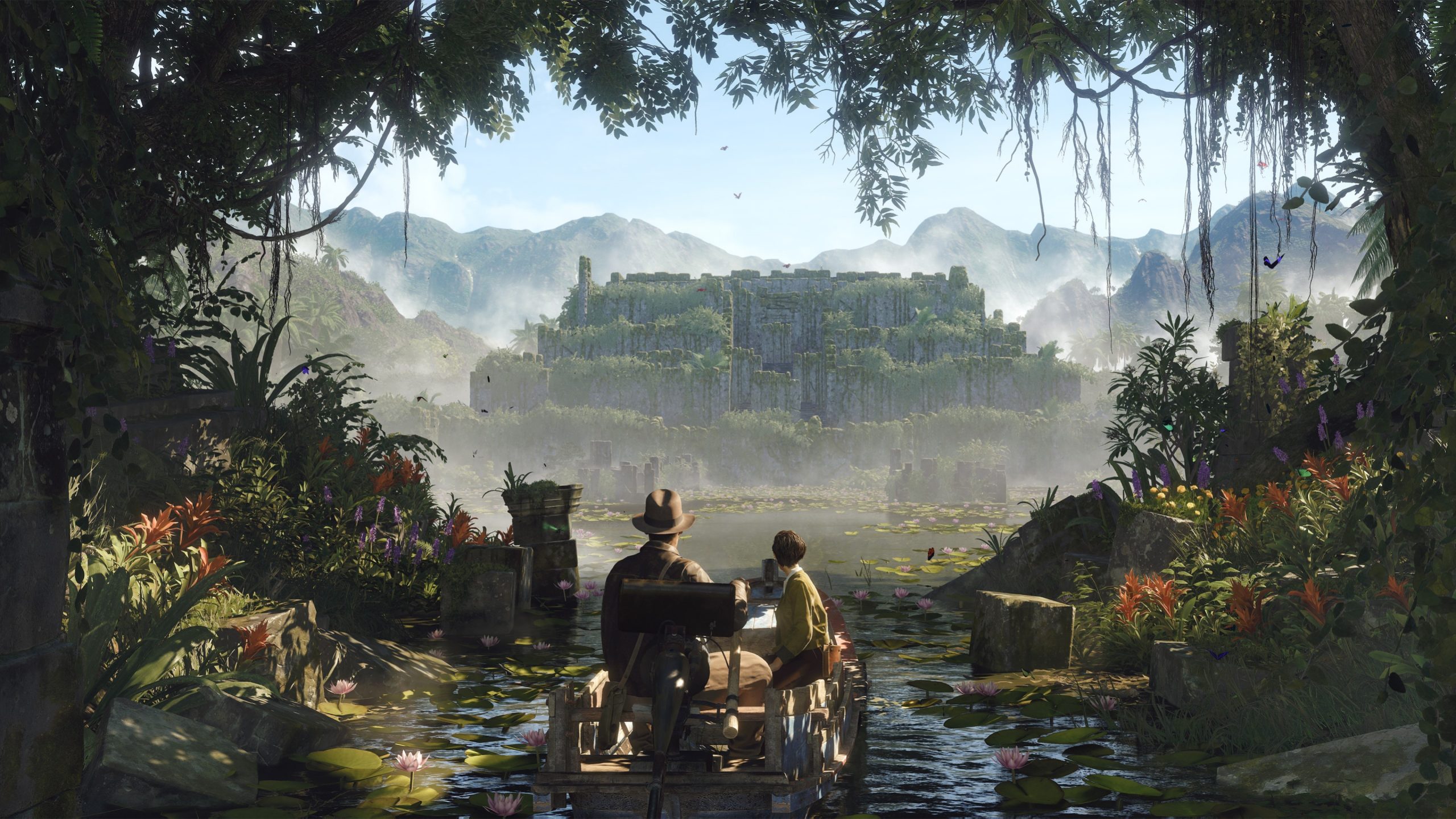
1. Open World Elements: Open exploration zones, such as Gizeh, feature expansive, less restricted environments reminiscent of modern open-world games like Assassin’s Creed. Here, players can roam freely, taking in the richness of the surroundings.
2. Increased Freedom: Players enjoy the liberty to explore at their own pace, which allows for the discovery of hidden secrets, optional side quests, and intricate puzzles. This non-linear approach encourages players to immerse themselves in the game’s world and uncover its layers.
3. Environmental Puzzle Solving: Open areas challenge players to engage with their surroundings actively. Utilizing environmental clues, special tools, and strategic problem-solving is often necessary to navigate obstacles, unlock new paths, or obtain rare items.
4. Collection of Rewards and Clues: Venturing into open areas is often rewarded with collectibles, lore items, and essential puzzle components that contribute to progressing through the game. This sense of reward enhances player engagement and satisfaction.
Key Differences and Comparisons
1. Player Freedom vs. Structured Progression: The primary distinction lies in the degree of player autonomy. Open areas afford players the freedom to chart their course, while linear areas guide players along specific narrative sequences, ensuring a more directed experience.
2. Environmental Challenges: Open exploration spaces like Gizeh introduce unique environmental challenges, wherein players may encounter limited hiding spots or potential threats. This necessitates a more cautious and strategic approach, contrasting with the more straightforward navigation typical of linear areas.
3. Story Integration: Although both types of areas weave into the broader narrative, open environments allow players to uncover additional story elements and lore through their explorations. This enhances the depth of the storytelling and enriches the overall gaming experience.
Conclusion
By integrating both linear and open exploration styles, Indiana Jones and the Great Circle successfully caters to various player inclinations. The structural mix not only keeps the gameplay dynamic and engaging but also honors the franchise’s commitment to adventure and exploration. Whether players prefer the structured narrative of linear areas or the liberating exploration of open environments, the game ensures a fulfilling experience that showcases the best of both worlds.




Leave a Reply