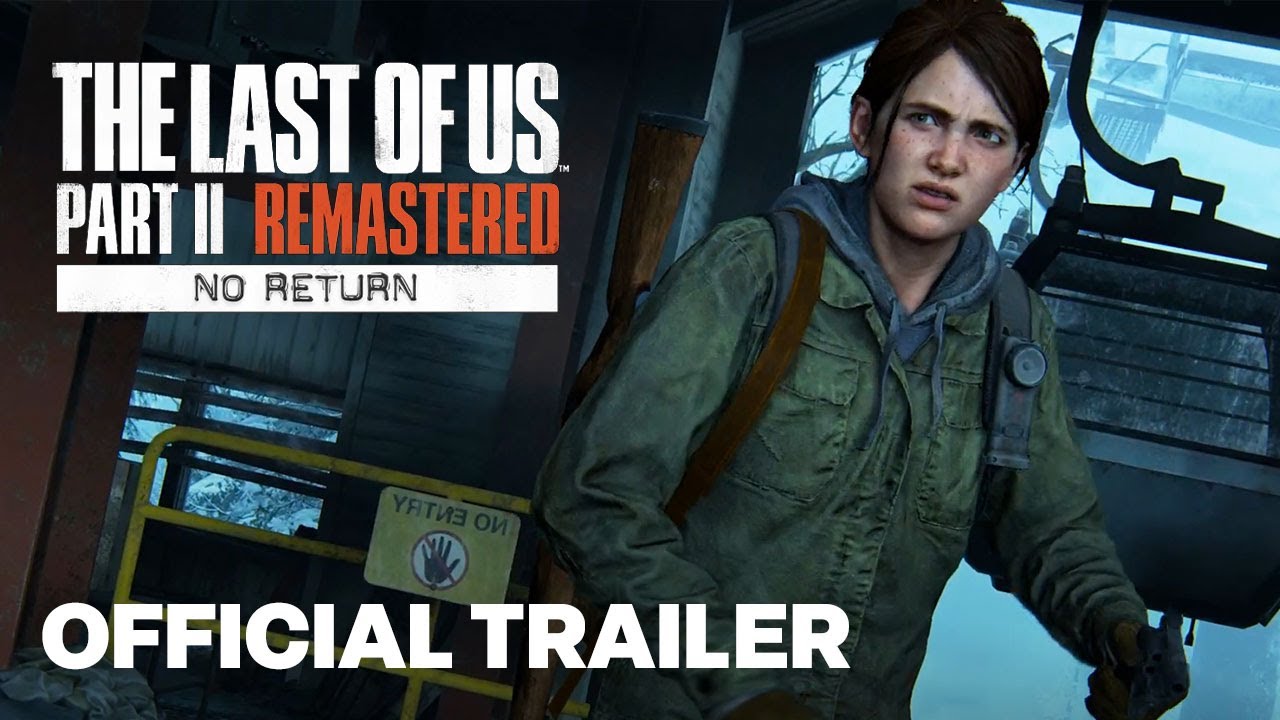
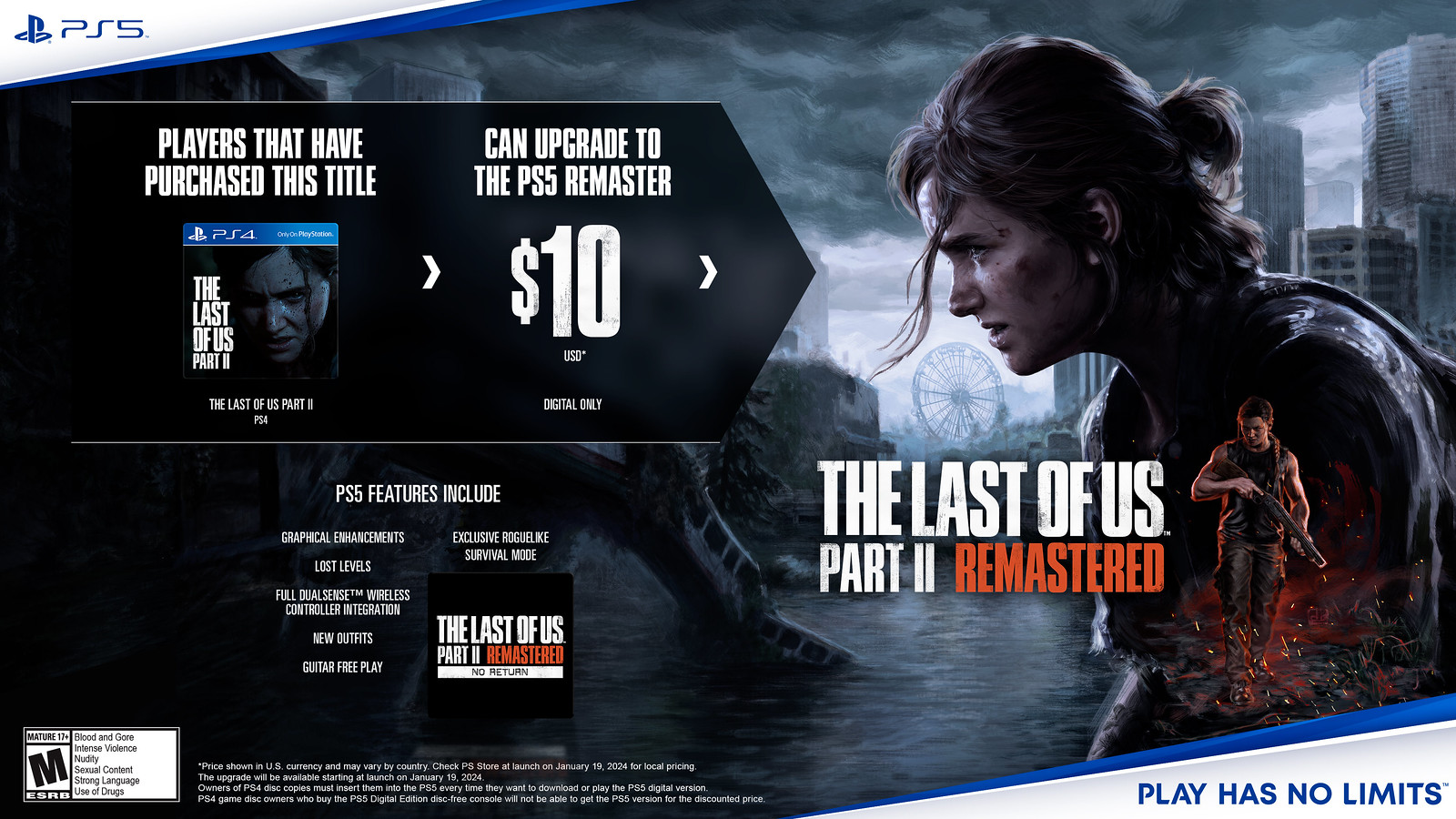
In The Last of Us Part II Remastered, the introduction of the No Return mode significantly expands the gameplay experience by introducing additional playable characters with their own unique skill trees. This not only diversifies the tactical elements of the game but also encourages players to experiment with different playstyles based on the strengths of each character.
Original Game Skill Trees: Ellie and Abby
In the original version of The Last of Us Part II, the skill trees for Ellie and Abby are designed to emphasize their distinct combat styles and role within the narrative:
1. Ellie’s Skills:
– Crafting Abilities: Key abilities include the crafting of explosive arrows, which allow for strategic combat against both infected and human enemies.
– Survivability Enhancements: Skills that increase her health and improve her listen mode capabilities enable her to evade threats effectively, reinforcing a stealth-oriented playstyle.
– Combat Skills: Her enhancements facilitate a balance between stealth and direct combat, allowing players to adapt to varying scenarios depending on the enemies faced.
2. Abby’s Skills:
– Focus on Melee Combat: Abby’s skills are tailored more towards close-quarters combat, with abilities that boost her health and enhance her melee effectiveness.
– Accuracy and Stability: Improvements to aiming and shooting stability make her deadly in ranged combat, appealing to players who prefer a more aggressive approach.
– Resilience in Combat: Abby’s focus on health improvements ensures she can withstand heavier combat scenarios, which is reflective of her character’s narrative arc as a fighter.
No Return Mode in Remastered Version
The No Return mode enhances the gameplay experience by introducing a roguelike element where players can utilize a roster of additional characters—each equipped with distinct skills and strategic advantages. This mode resets upgrades after each run, compelling players to make real-time decisions based on the character’s abilities and the evolving challenges they face.
Additional Playable Characters
– Dina:
– Utility and Support: She brings a unique set of skills starting with crafting capabilities for trap and stun bombs, emphasizing area control and tactical support.
– Upgrade Potential: The ability to double the crafted bombs enhances her effectiveness in controlling the battlefield, making her an asset in both offensive and defensive scenarios.
– Joel, Tommy, Jesse:
– Each character possesses unique strengths tailored to their backgrounds, further enriching the tactical possibilities. While specific details on their skills are sparse, their diverse play styles promise different approaches to encounters.
– Abby’s Companions (Lev, Yara, Mel, Manny):
– Unique Tactical Advantages: For instance, Abby’s companions may feature particular abilities that add depth to cooperative strategies. Abby’s melee upgrade and healing on melee hits reinforce her combat prowess while also contributing to team dynamics.
Key Differences in Skill Trees
1. Unique Starting Abilities:
– Characters begin with specific abilities that influence initial strategies. For instance, players might opt for Dina for a strategic approach focused on traps or choose Abby for high-impact melee combat.
2. Variety of Playstyles:
– The introduction of multiple characters allows players to align their choice with their preferred approach—whether it is subtle stealth, chaotic melee action, or precise ranged tactics.
3. Strategic Upgrades and Progression:
– Even though skills are reset after each run, the ability to unlock distinct upgrades encourages players to recalibrate their strategies after every playthrough. This dynamic reinvention of skills drives replayability and adds to the overall game depth.
Conclusion
The remastered No Return mode offers a fascinating evolution of The Last of Us Part II’s gameplay by expanding the playable characters beyond the original Ellie and Abby. With distinct skill trees and a variety of tactical approaches, players are encouraged to experiment with different characters, making each run a unique experience. This shift not only enhances player engagement but also deepens the strategic aspect of the game, aligning beautifully with its narrative foundations.



Leave a Reply