
In Star Wars: Outlaws, player choices are intricately woven into the fabric of faction dynamics rather than altering the main storyline. Here’s a comprehensive overview of how decisions affect gameplay and interactions with various factions in the game:
Impact on Faction Standing
Reputation System
The game introduces a Reputation system that tracks Kay’s relationships with notable factions, including the Crimson Dawn, Pyke Syndicate, and Hutt Cartel. Each decision made during missions—be it part of the main questline, specific syndicate tasks, or spontaneous encounters in the open world—can cause fluctuations in reputation levels:
– Reputation Interaction: Players must navigate carefully; choices that favor one faction may anger another, leading to strategic decision-making as relationships evolve throughout the game.
Effects of Reputation Changes
– Positive Standing:
– Establishing a good rapport with a faction unlocks several advantages. Players who build strong ties with the Crimson Dawn, for instance, can access exclusive vendors offering unique weapons, gear, and valuable items that enhance gameplay. Moreover, positive standing allows Kay to traverse faction-controlled territories without facing repercussions, thereby enriching the exploration experience.
– Negative Standing:
– On the flip side, poor relations can result in significant challenges. Hostility from factions means restricted access to areas or vendors, intensifying the stakes of player choices. For example, aggravating the Pyke Syndicate could lead to being attacked on sight, making Kay’s journey through certain parts of the galaxy perilous.
Impact on Story Progression
Story Arc
While player choices play a crucial role in shaping relationships, they do not fundamentally alter the overarching narrative. The storyline follows a defined arc centered on Kay Vess’s adventures and growth within the galaxy. This design maintains the integrity of the main plot while allowing for player agency in subtextual experiences.
Consequences in Gameplay
Despite the stability of the core narrative, decisions can impact the gameplay’s flow and the immediate experience. Similar to other narrative-driven titles, such as Marvel’s Guardians of the Galaxy, choices lead to different action sequences or mission outcomes, promoting a sense of individuality in gameplay experiences.
Example Choices
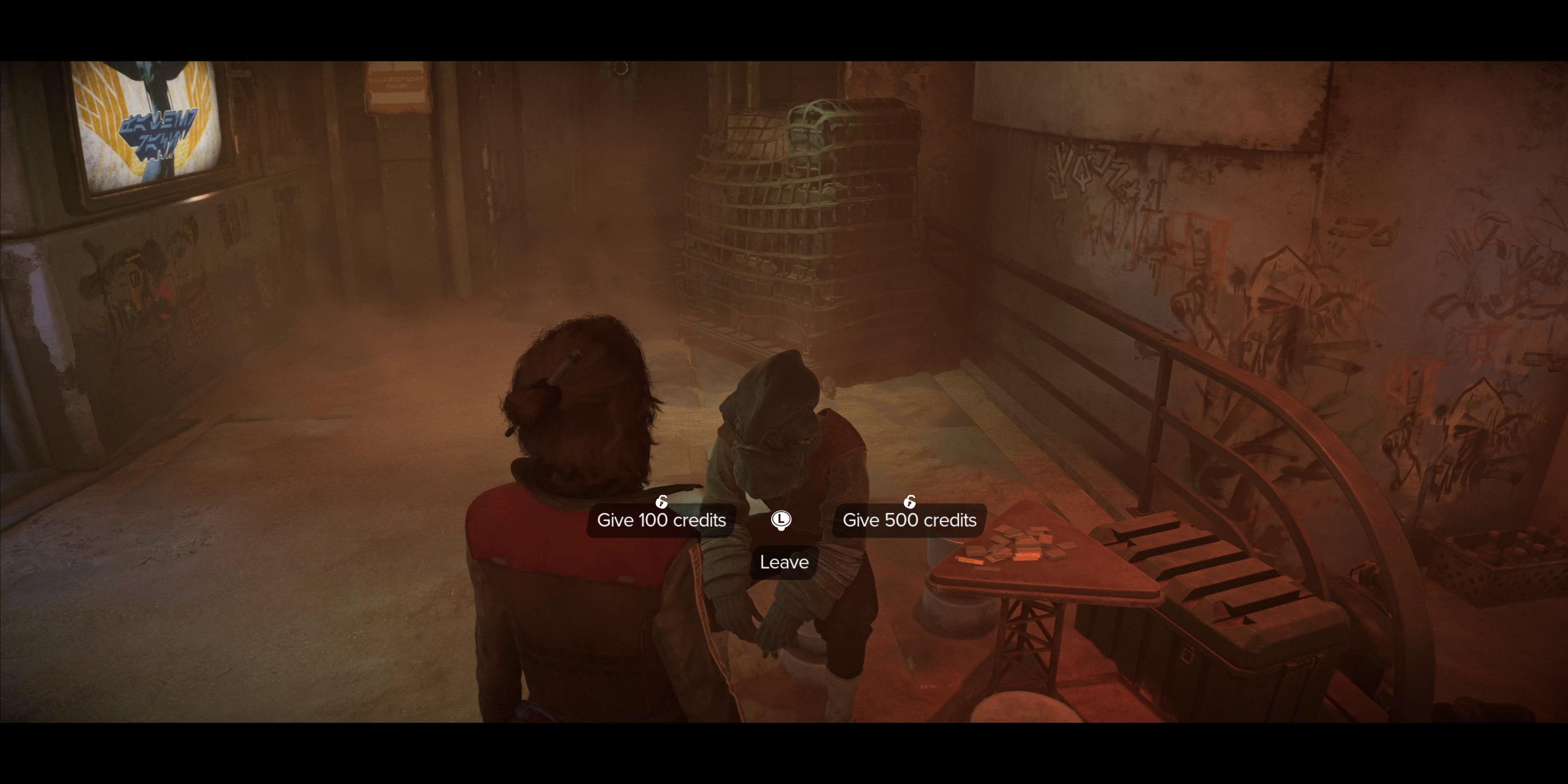
– Missions and Quests: Throughout the game, players encounter missions where their decisions carry weight. For instance, players may choose to support or betray a faction based on the context—aligning with the Crimson Dawn by handing over a valuable item enhances that reputation while alienating the Pyke Syndicate. These decisions often open up new pathways, influencing not only how missions unfold but also the items or resources players can acquire.
Conclusion
In summary, dialogue choices in Star Wars: Outlaws primarily affect faction reputation rather than reshaping the fundamental story. This system fosters a vibrant and responsive galaxy where relationships with various groups can significantly alter gameplay opportunities and experiences. By navigating faction politics wisely, players can craft a unique journey while still engaging with the established narrative framework.



Leave a Reply