
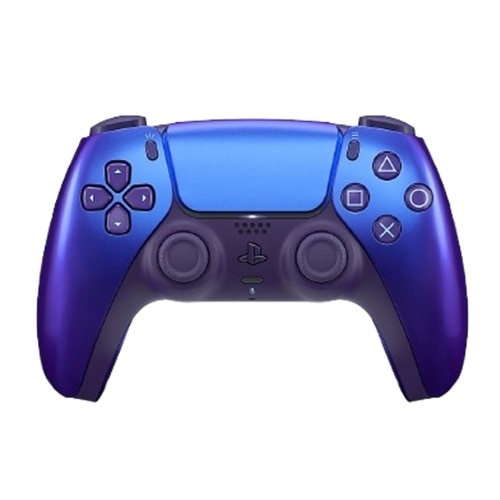
In “Astro Bot,” the DualSense controller plays a pivotal role in crafting an immersive and interactive experience, utilizing its innovative features to deepen the player’s connection to the gameplay. Below is an elaboration on how each aspect of the DualSense controller enhances the gaming experience.
Haptic Feedback
– Texture Simulation: The DualSense employs sophisticated haptic feedback to mimic various textures that Astro encounters in the game. When Astro walks on grass, sand, metal, or splashes through water, players can feel distinct vibrations that reflect the surface’s unique properties. This tactile feedback significantly enhances immersion, allowing players to sense the environment, making exploration feel more authentic.
– Actions and Interactions: Every action that Astro performs—be it jumping, dashing, or utilizing gadgets—comes with an appropriate haptic response. This creates a tactile sensation that ties the player’s actions to the game, reinforcing the feeling of control and responsiveness in gameplay.
Adaptive Triggers
– Resistance and Tension: The adaptive triggers offer variable resistance depending on the in-game actions being performed. For instance, when pulling back on Astro’s spring-loaded arms or activating special tools, players experience physical feedback that corresponds to the effort required for those actions. This effectively enhances the physical connection, making players feel as if they are truly influencing Astro’s movements.
– Varied Tools and Gadgets: Each power-up and gadget introduces unique sensations via adaptive triggers. This variation allows players to experience a range of physical interactions tailored to different abilities, thereby enriching the overall gameplay experience and emphasizing the diversity of interactions available in the game world.
Motion Controls
– Flight Sequences: In certain levels, where Astro pilots a ship inspired by the DualSense design, players can utilize motion controls to navigate and manage speed during flight. This mechanic not only facilitates exploration but also adds an element of precision as players steer to collect hidden items and avoid obstacles.
– Tilt Mechanisms: Some puzzles within the game require players to tilt platforms, a feature controlled through the DualSense’s motion sensors. This interaction allows players to manipulate elements like water flow, engaging them in problem-solving while further integrating physical movement with gameplay mechanics.
Integrated Speaker
– Environmental Soundscapes: The controller’s built-in speaker enhances the audio experience by delivering high-fidelity sound effects that correspond with on-screen actions. By providing a richer auditory experience, players become more enveloped in the game’s world, enhancing the overall atmosphere and emotional resonance of the gameplay.
Microphone
– Environmental Interactions: The microphone integrated into the DualSense allows for unique interactions, where players can blow into the controller to create wind effects or manipulate in-game objects. For example, blowing can extinguish candles or activate horns, adding an unexpected layer of interactivity that utilizes the controller’s capabilities creatively.
Touchpad (Limited Use)
– Non-Essential Interactions: Although the touchpad does not play a crucial role in gameplay mechanics, it offers creative functions that enhance player engagement. Players can view collected bots on a representation displayed on the touchpad, enriching the player’s experience without relying on it as a core mechanic.
Conclusion
In summary, “Astro Bot” expertly leverages the DualSense controller’s features—haptic feedback, adaptive triggers, motion controls, speaker integration, microphone capability, and limited touchpad functionality—to build a profoundly immersive and interactive experience. This thoughtful integration not only enhances gameplay but also deepens player attachment to the vibrant world of Astro Bot, making it a standout title in the realm of interactive gaming.
Leave a Reply