
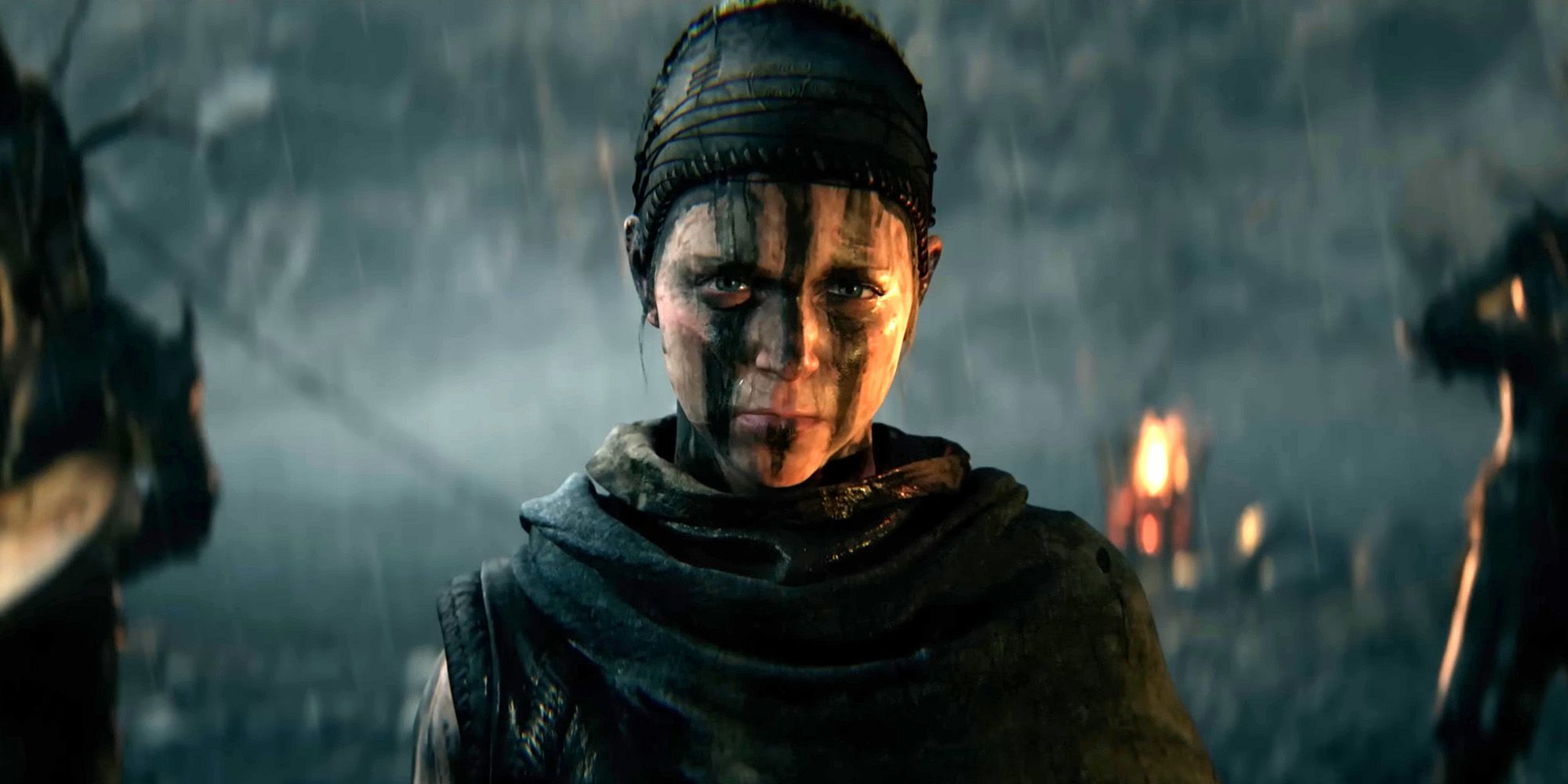
In Senua’s Saga: Hellblade II, navigating the intricate web of hallucination and reality forms a core aspect of the gameplay experience, deeply rooted in Senua’s character and her journey. To effectively discern between hallucinations and tangible realities within the game, players must adopt a nuanced approach that considers Senua’s psychological landscape, emotional responses, and the environmental storytelling employed throughout the narrative.
Understanding Senua’s Reality
– Psychosis and Hallucinations: Central to Senua’s character is her experience with psychosis, a condition that manifests through vivid auditory and visual hallucinations. These manifestations are not mere plot devices; they stem from Senua’s traumatic past and the cultural beliefs around her, shaping her perceptions and interactions with the world around her. This mental state is vital to appreciate, as it influences every facet of her journey[5].
– Subjective vs. Objective Reality: The game presents a duality in perception where Senua’s reality diverges significantly from what others might perceive. Her encounters, whether with other characters or seemingly supernatural beings, are often intertwined with her psychological experiences, emphasizing a nuanced understanding of her state of mind[1][3].
Identifying Hallucinations in the Game
1. Senua’s Companions and Encounters: Characters such as Fargrimr, Astridr, and Thorgester exist within the world but exhibit traits or behaviors swayed by Senua’s current state of mind. An exaggerated appearance or unexpected reactions may signal a distortion in reality as experienced by Senua, rooted in her hallucinations rather than in objective truth[1][3].
2. Giants and Supernatural Elements: The manifestation of Giants in the game is particularly telling—while they are perceived as real entities in Senua’s world, they often symbolize her fears and traumas, living embodiments of the psychological battles she faces. This interplay suggests that understanding these figures requires not just accepting their existence but interpreting their deeper symbolic meanings within the narrative[3].
3. The Hiddenfolk: The existence of these spirits, which Senua perceives as real, also reflects her personal beliefs and visions. Their role in the game blurs the lines of reality and perception, highlighting how Senua’s understanding of the world is shaped by her experiences and cultural background[1].
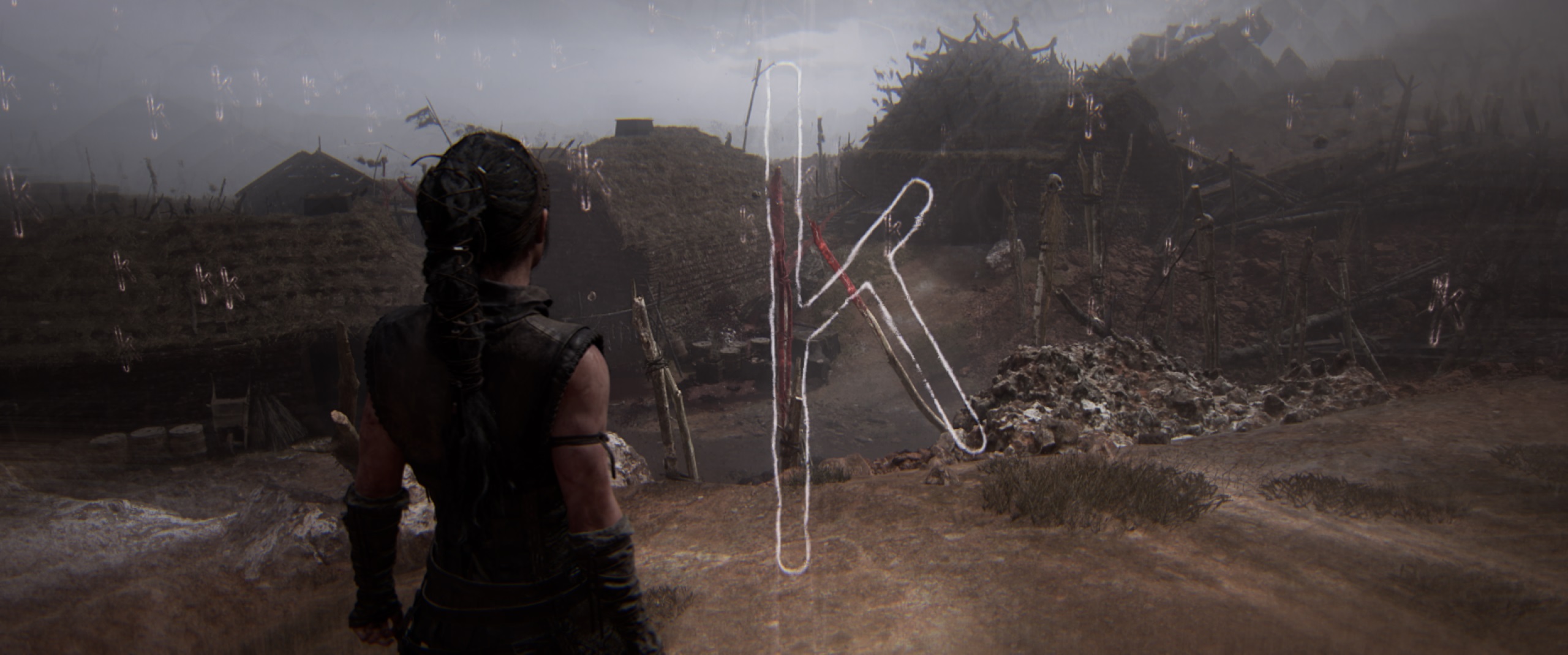
4. Environmental and Situational Cues: Players should be vigilant for changes in the environment that may denote hallucinations. For example, significant shifts in scenery or atmospheric elements often accompany Senua’s emotional fluctuations, signaling a departure from unmediated reality during critical gameplay moments[3].
Analyzing Reality in Gameplay
– Senua’s Emotional State: Recognizing the shifts in Senua’s emotional state can provide vital clues about her perception of reality. If she exhibits calmness or displays control over her hallucinations, this may indicate a grounding in reality, contrasting with moments of distress or confusion that could signify a deeper descent into her hallucinations[5].
– Narrative Context: Delving into the overarching themes of the narrative invites players to consider the broader implications of Senua’s experiences. The game often uses hallucinations as a vehicle to explore personal struggles or address collective cultural themes, inviting players to reflect on the psychological and mythical aspects of the story as they progress through it[4].
– Interaction with NPCs: The responses and behaviors of non-player characters provide critical insights. When NPCs share similar experiences or affirm Senua’s perceptions, it blurs the boundary between her hallucinations and a shared reality, leading to a richer understanding of her world[3].
Conclusion
In Senua’s Saga: Hellblade II, the challenge of distinguishing between hallucination and reality is not merely a mechanic of gameplay but an invitation to engage with Senua’s intricate psychological profile and cultural context. The narrative is crafted to foster personal interpretation, creating an experience that varies significantly between players. By immersing into Senua’s psyche and scrutinizing the interplay between her emotional state and environmental cues, players can enrich their understanding of the profound story woven throughout the game.


Leave a Reply