
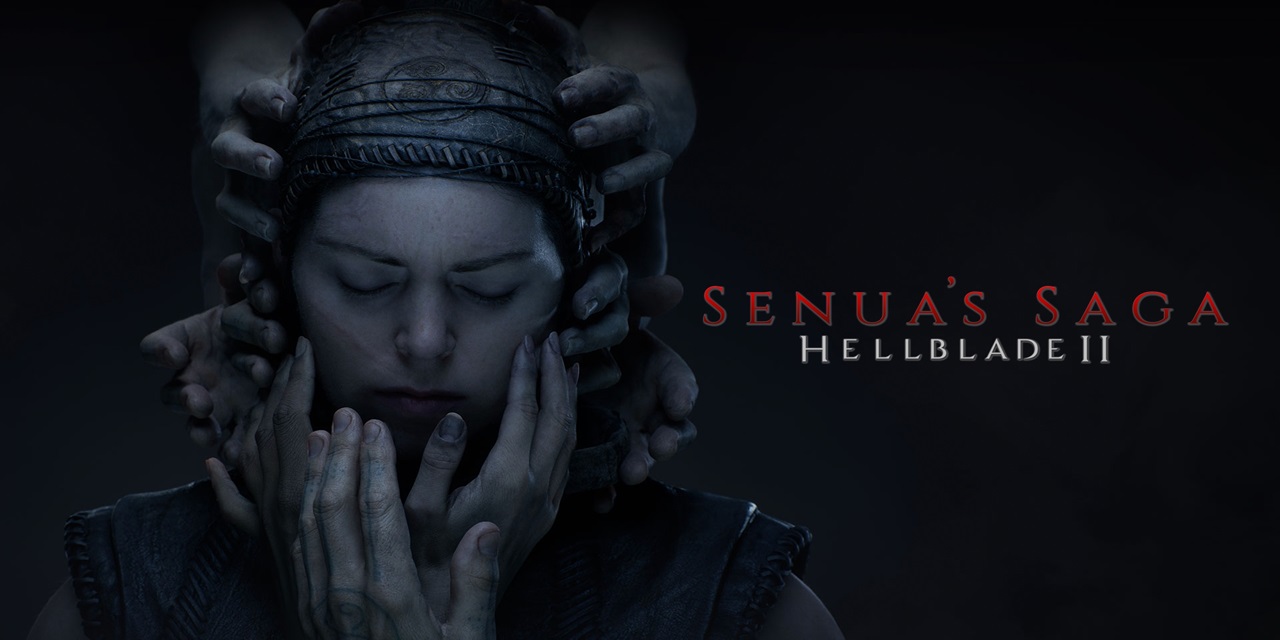
In “Senua’s Saga: Hellblade II,” environmental storytelling stands as a foundational element that enhances the player’s immersion and emotional engagement with the game. The meticulous integration of Norse mythology and the breathtaking landscapes of Iceland not only designates the game’s setting but actively reflects Senua’s internal struggles and her quest for understanding. Here’s a detailed exploration of how various facets of environmental storytelling contribute to the narrative.
Environmental Design and Landscapes
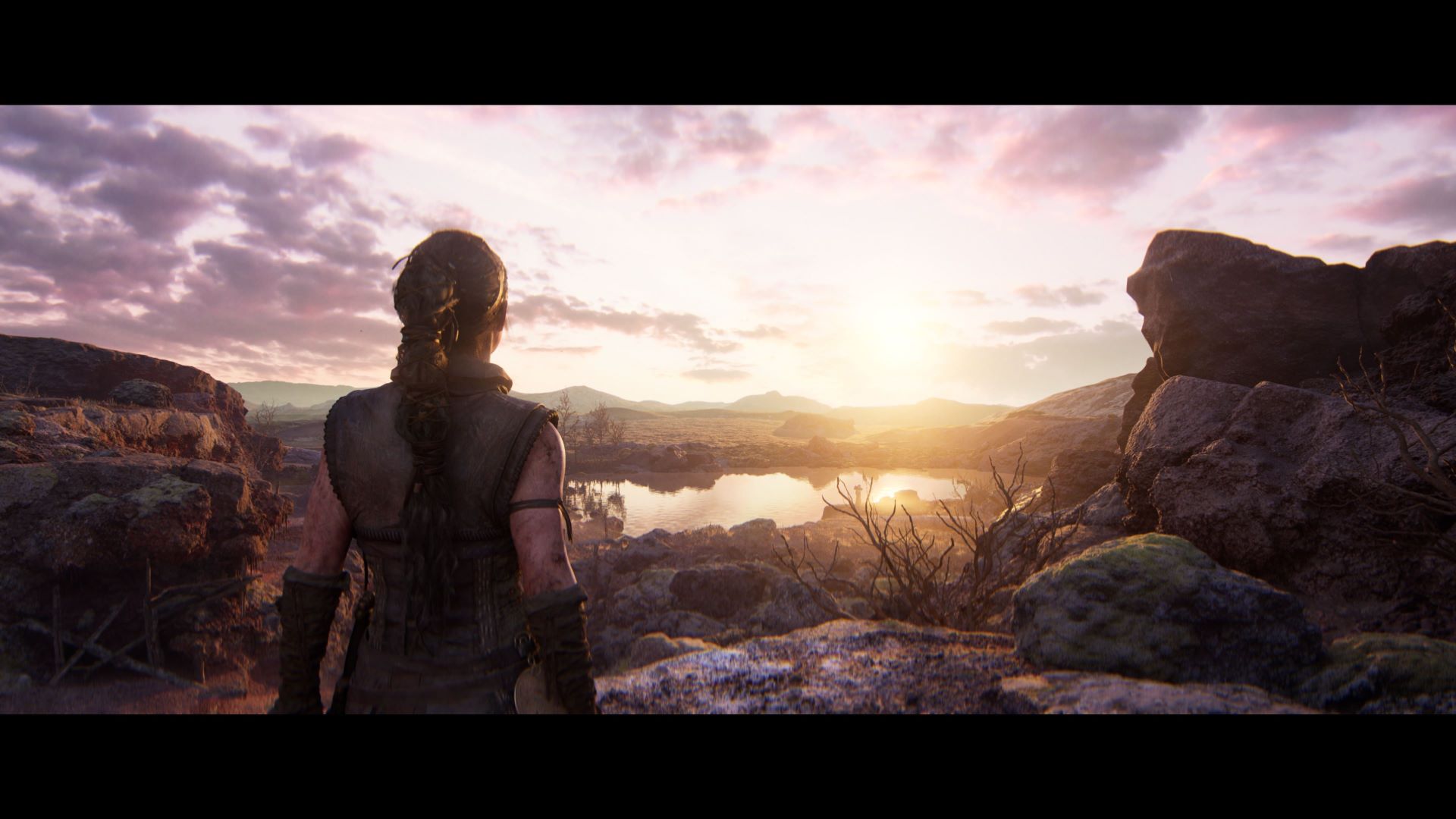
Icelandic Landscapes: The game’s portrayal of medieval Iceland creates a stark juxtaposition between beauty and brutality. The mist-shrouded forests, jagged cliffs, and rocky beaches invoke a sense of isolation and grandeur, mirroring Senua’s tumultuous emotional state. Signature locations, such as Reykjanestá, with its geothermal features, and Freyslaug, inspired by actual hot springs, not only showcase real-world environments but serve as poignant backdrops for Senua’s journey, where nature itself seems to reflect the trials she faces.
Photogrammetry Usage: Ninja Theory’s commitment to realism is illustrated through the extensive use of photogrammetry, incorporating over 370 scanned objects. This technology not only enriches the visual accuracy of the environments but also deepens player immersion, allowing them to feel as if they are traversing authentic landscapes that carry the weight of history and myth.
Integration of Mythology and Folklore
Norse Mythology: The game weaves together elements of Norse mythology seamlessly into the fabric of the environment. Players encounter iconic locations such as Midgard and Jötunheimr, breathing life into the lore through architectural details and environmental cues. Figures from mythology, including giants like Illtauga and spectral beings like the Hiddenfolk, are integrated into the story of Senua’s hallucinations, creating a world where myth and madness intertwine.
Folklore and Lore: The environmental storytelling is further enriched by hidden collectibles, such as rune-carved masts and stone faces embedded in rocks, which beckon players to explore their surroundings. Discovering these items not only fleshes out the game’s lore but encourages engagement with the environment, rewarding curiosity with a deeper understanding of Senua’s world.
Psychological and Symbolic Elements
Senua’s Psychosis: The game’s design masterfully conveys Senua’s psychological struggles through its environments. Visual and auditory hallucinations manifest in unusual spatial arrangements and surreal alterations of familiar objects, creating an unsettling atmosphere that serves as a reflection of her mental battles. The pervasive voices that guide—or hinder—her progression further illustrate the conflict between reality and her subjective experience.
Symbolism: The puzzles integrated into the environment often require players to manipulate elements and decode runes, which symbolize Senua’s personal journey of healing and acceptance. Navigating these environmental challenges not only progresses the gameplay but allows for a deeper exploration of her connection to the mythological context, reinforcing her ongoing battle against trauma.
Immersive Audio and Visual Design
Immersive Audio: The binaural audio design plays a critical role in conveying Senua’s inner world, enhancing the emotional stakes. Sounds are rendered to create an intimate atmosphere, giving players the sensation of experiencing the ambient conditions of the Icelandic landscape while simultaneously receiving the whispers of Senua’s psyche, effectively blurring the lines between the external environment and her internal struggles.
Visual Design: With the aid of Unreal Engine 5 and photogrammetry, “Hellblade II” presents stunning visuals that bring the environments to life. Features such as the luminous aurora borealis and intricate textures create a vibrant yet haunting aesthetic. The visual style is not merely for spectacle but serves to amplify the emotional resonance of Senua’s journey and the environment’s role in shaping her narrative.
Conclusion
By delving into these various aspects of environmental storytelling, players gain a comprehensive appreciation of “Senua’s Saga: Hellblade II” as more than just a visual spectacle. The game crafts a haunting and personal narrative that resonates on multiple levels, inviting exploration and reflection as players navigate the fusion of Senua’s internal struggles with the external, richly-designed world around her. This synergy between environment, mythology, and psychological depth emphasizes the game’s commitment to storytelling that is both immersive and impactful.


Leave a Reply