
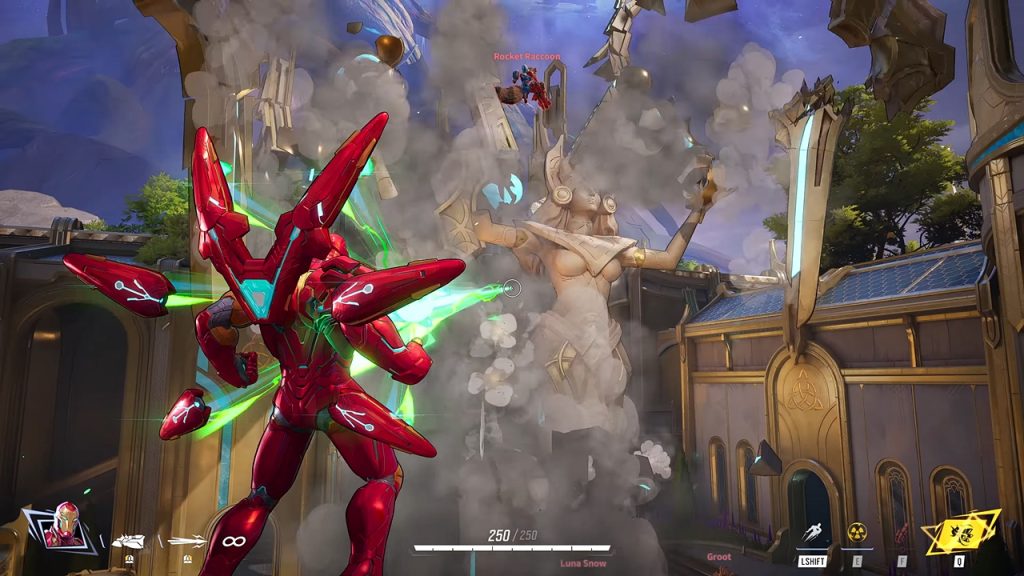
The dynamic destructible environments in Marvel Rivals fundamentally enhance the gameplay experience by integrating strategic elements that encourage both individual tactics and team collaboration. Here’s a comprehensive overview of how this feature operates and its implications for gameplay:
Features of Destructible Environments
1. Destruction Mechanics
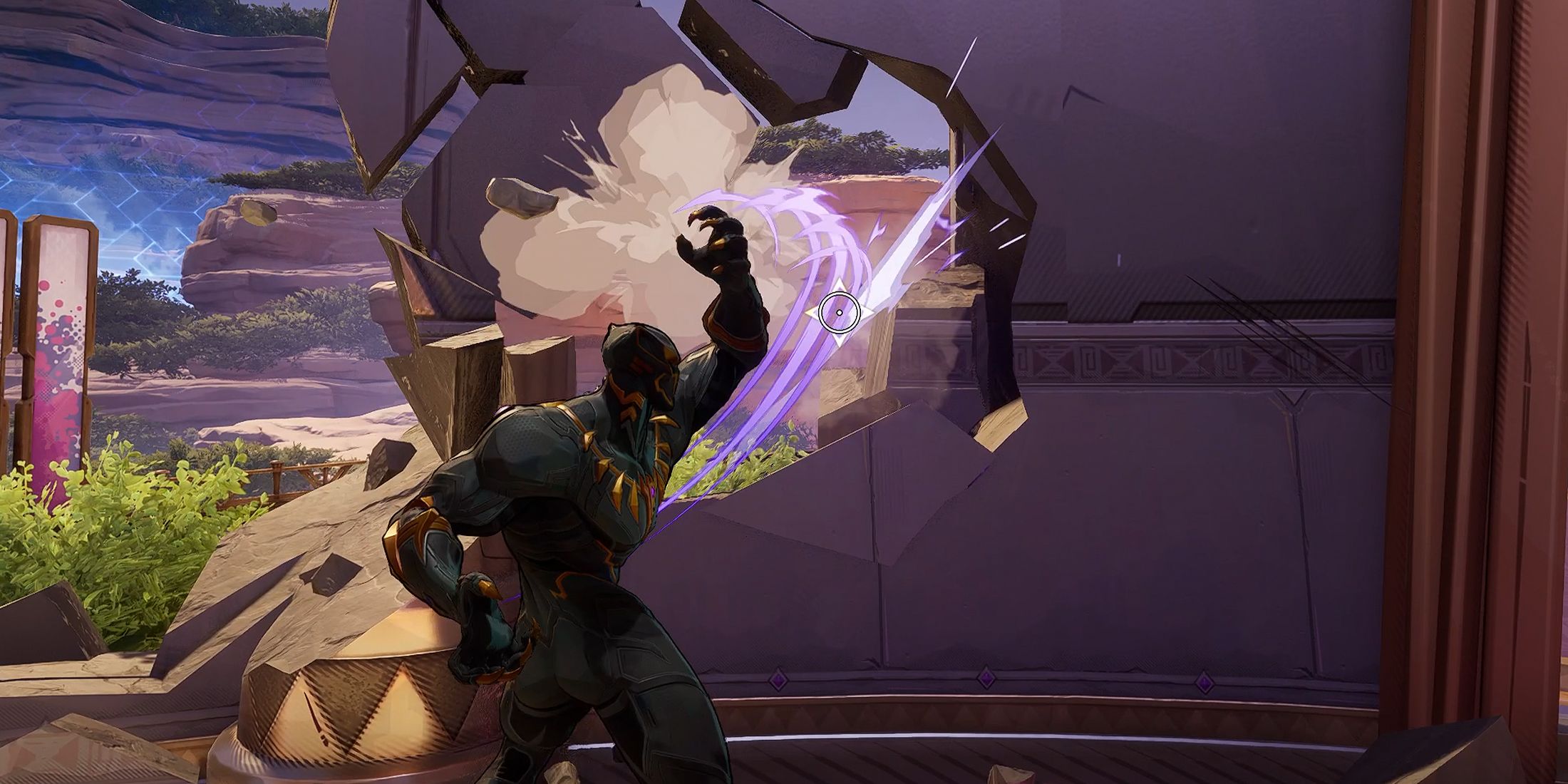
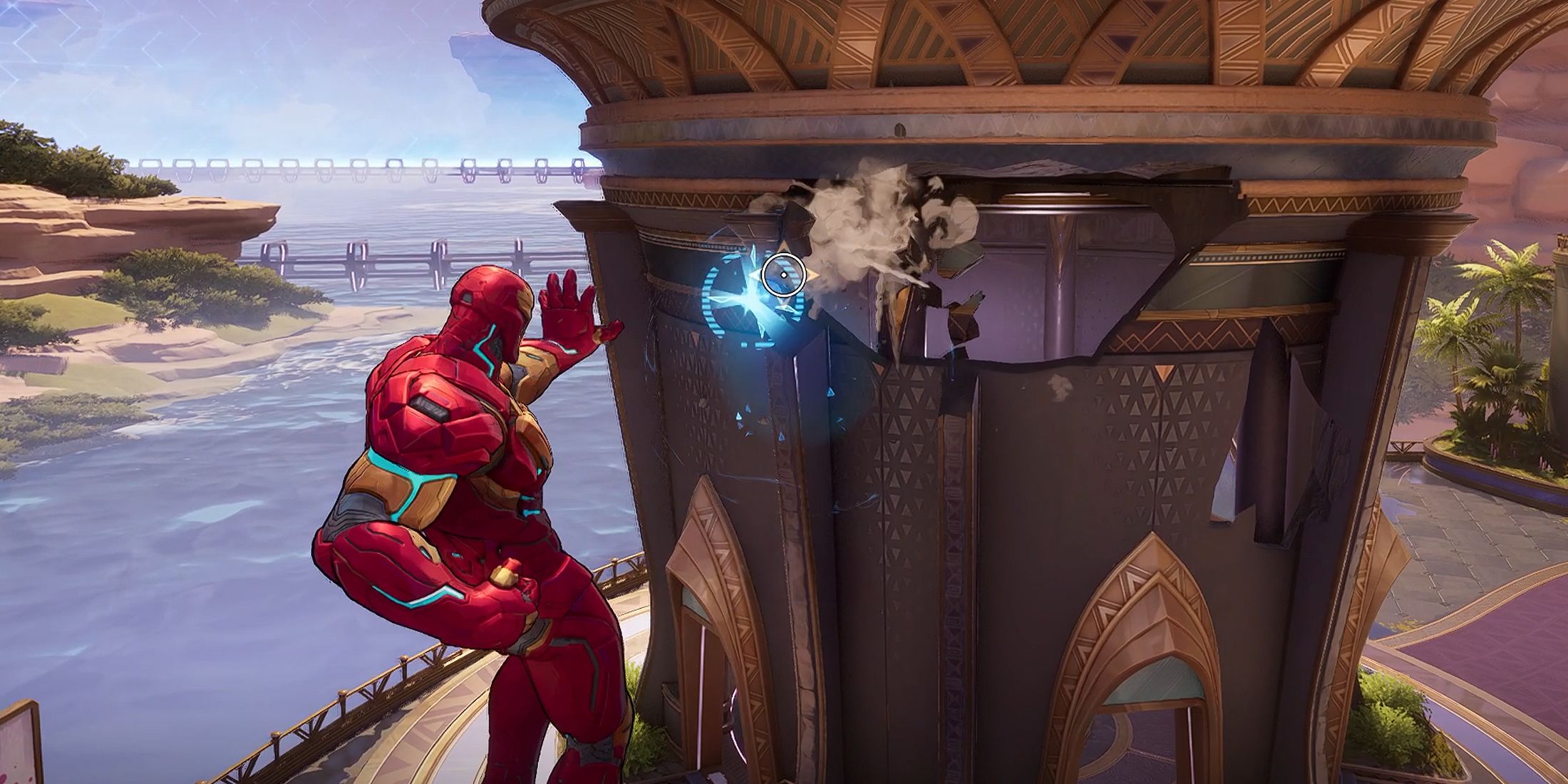
Marvel Rivals allows players to interact with the environment in meaningful ways, particularly through the ability to destroy specific structures on the map. This mechanic is not only about causing chaos but also about employing strategic advantages.
Players can highlight these destructible objects by pressing the “B” key, which marks them in gold. This adds a layer of tactical awareness, enabling players to plan attacks or ambushes effectively without relying solely on minimap indicators.
2. Gameplay Impact
The inclusion of destructible elements changes the dynamic of play. For instance, a player might choose to demolish a high platform, thereby limiting the line of sight for enemy snipers, or they might create new, unexpected pathways for sneak attacks.
Such alterations to the environment can turn the tide of a match, as players adapt their strategies in response to the shifting landscape.
3. Recursive Destruction
Introduced in Season 1, the recursive destruction mechanic allows certain destroyed objects to regenerate over time, adding a strategic layer where players must consider the temporary nature of their destruction strategies.
This feature is available on select maps, such as Midtown, and is initiated by targeting specific red-glowing objects. The ability to strategize around both destructive and regenerative elements greatly enriches gameplay depth.
Technical and Design Considerations
4. Performance Optimization
To handle the visual complexity of destructible environments without sacrificing performance, developers implemented a two-tiered fragmentation system to manage the debris from collapsed structures. This design choice helps maintain a smooth experience, crucial for competitive gameplay.
5. Aesthetic Integrity
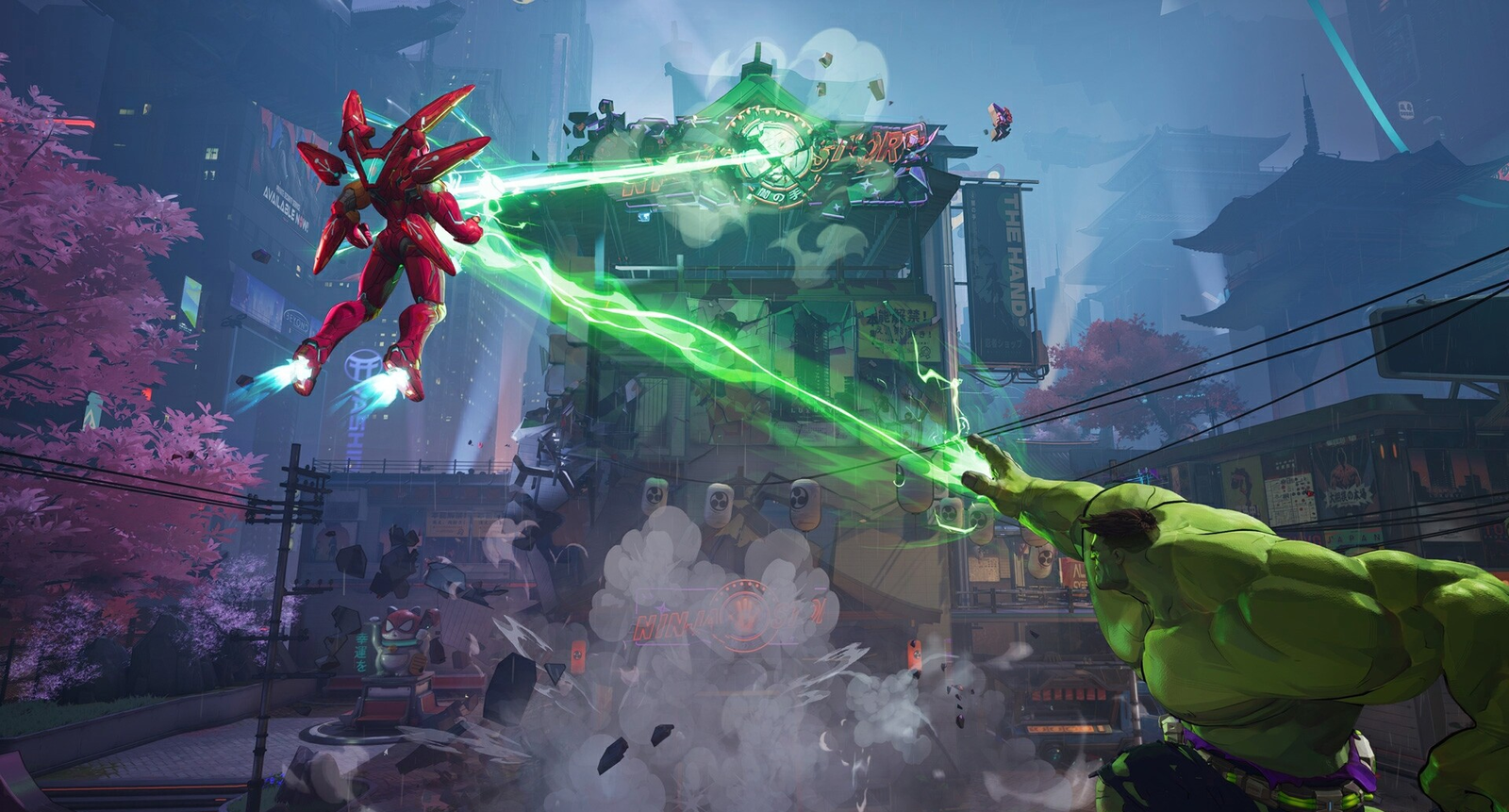
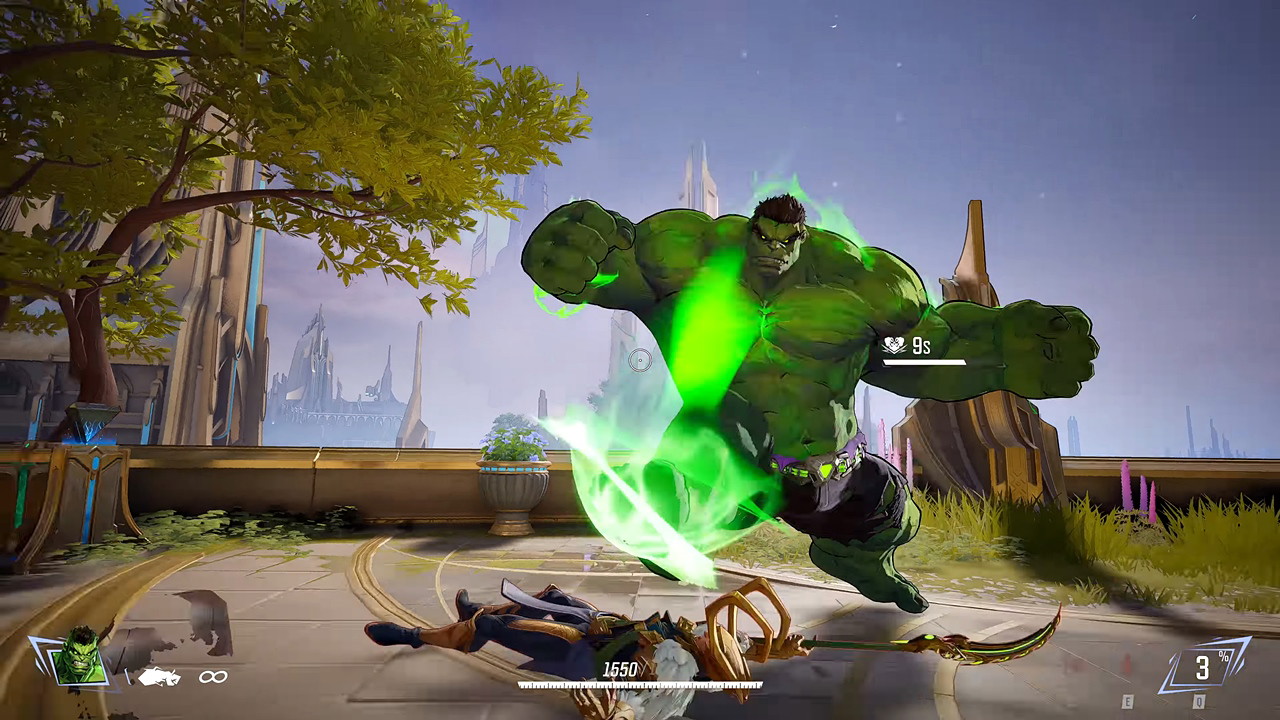
Attention to detail is evident in the realistic effects of destruction. Motion patterns of debris are tailored to reflect the identity of each hero, providing a cohesiveness that enhances immersion. Furthermore, lighting adjustments ensure that the overall visual quality remains uniform across destructible interactions.
6. Strategic Balance
While numerous structures can be destroyed, some critical features of the map are intentionally left static. This balance ensures that the gameplay remains fluid and coherent, with environmental destruction augmenting the experience rather than overwhelming it.
Strategic Usage
7. Tactical Advantages
Players can leverage destructible elements to maneuver strategically, create traps, or secure advantageous positions. Heroes such as The Punisher gain significant benefits from breaking through structures, as it provides clearer targeting opportunities against exposed enemies.
8. Team Synergy
The destructible environment encourages players to communicate effectively within their teams. Maximizing the benefits of environmental interactions fosters intricate team strategies, wherein players can plan their moves around the destruction capacities of their teammates.
Conclusion
Overall, the dynamic destructible environment in Marvel Rivals integrates strategic elements that not only enhance gameplay but also promote teamwork and tactical thinking. By allowing players to manipulate their surroundings, the game creates a rich, engaging environment that reflects the unique powers of its heroes while maintaining a competitive edge. This feature transforms how players approach combat, making every match unpredictable and exciting.
Leave a Reply