
Detailed Guide to Exploring Clone Culture and Hierarchy in 1000xResist
To fully grasp the intricate dynamics of clone culture and hierarchy within the game 1000xResist, players should engage deeply with the narrative, character interactions, and the historical context of the clone society known as “The Orchard.” Below is a structured guide to facilitate this exploration.
Understanding Clone Society
The clones reside within a structured society on the Pacific 50, a futuristic generation ship. The founding matriarch, Iris Kwan, is deified as the Allmother due to her pivotal role in creating and guiding clone society. Key aspects of this society include:
1. The Founding Clones: Iris developed five original clones to serve distinct societal functions:
– Watcher: Conducts observation and research within the community.
– Fixer: Handles the maintenance and repair of technology and infrastructure.
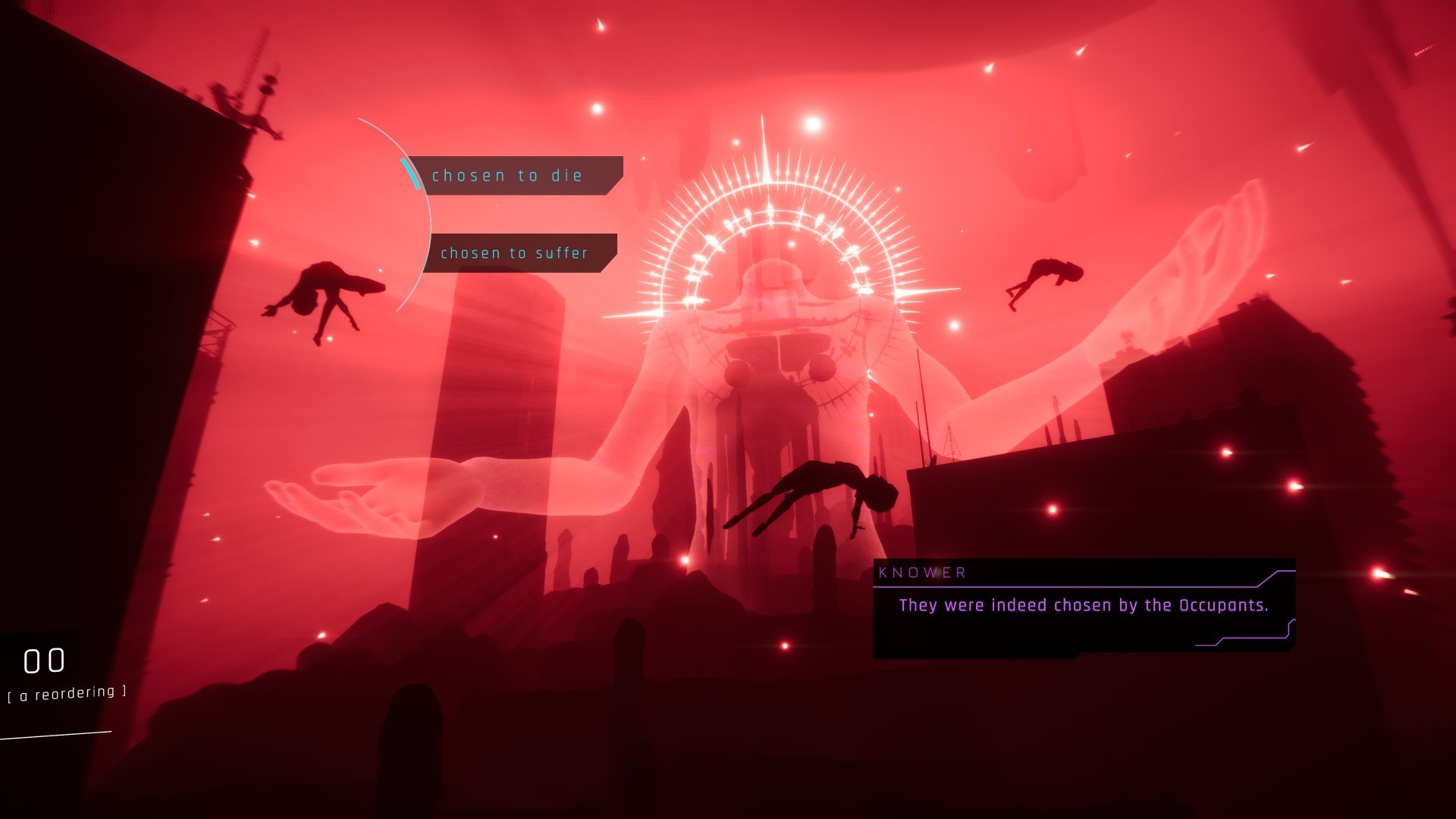
– Knower: Responsible for archiving and cataloging all knowledge and experiences.
– Healer: Focuses on medical and emotional care within the society.
– Bang Bang Fire: Tasked with protection and defense against external threats.
Additionally, there is the role of Principal, which is held by a singular clone tasked with leadership and governance.
Exploring Clone Culture
Clone culture is significantly impacted by the teachings of the Allmother, which are perpetuated through communal experiences known as communions. These gatherings allow clones to share memories and collectively shape their societal beliefs and identities.
1. Cultural Duality: The societal challenge is illustrated through characters such as the Principal, who strictly adheres to the Allmother’s directives, and characters like Fixer, who exhibit rebellious tendencies, reflecting a natural longing for a past they have yet to experience. This dichotomy leads to identity conflicts and highlights the psychological strains within the clone community.
Hierarchy of Clone Society
The hierarchal structure within the Orchard is dictated by the function of each clone. The Sisters are leaders in their respective domains, mentoring their subordinate clones or shells. Each clone shell aspires to rise in status, ultimately aiming to ascend to the surface to confront the Occupants—the alien forces responsible for Earth’s devastation.
1. Role of the Sisters: They guide and oversee their domains, with each Sister representing a crucial aspect of clone existence. Subordinate clones rely on the Sisters for mentorship and support, emphasizing the collectivist aspect of their culture.
Uncovering the Truth Through Gameplay
To gain insight into the myriad layers of clone culture and hierarchy, players can employ several gameplay strategies:
1. Engage in Communions: Participate in the dreamlike communions that serve as vital narrative tools for uncovering the Allmother’s memories. Here, players can experience how these memories influence the clones’ beliefs and societal actions.
2. Interact with Characters: Forge relationships with various Sisters and explore their individual personalities, which reflect broader themes of resistance, identity, and the tension between collectivism and individuality.
3. Explore Different Perspectives: The narrative presentation of the game employs a diverse range of storytelling techniques—such as first-person, side-scrolling, and third-person perspectives—to enhance immersion, allowing players to witness and comprehend the societal structure from multiple angles.
Conclusion
By immersing yourself in the vibrant clone culture and hierarchy of 1000xResist, you can uncover the complex interplay of genetic legacy, collective memory, and personal identity struggles. Engaging with the game’s rich narrative and character dynamics will deepen your appreciation of the clones’ journey and their fight for autonomy against their oppressors. This guide serves as a framework for your exploration, inviting you to experience the challenges and triumphs of life within The Orchard.



Leave a Reply