
In Thank Goodness You’re Here, influencing the storyline of non-playable characters (NPCs) is a unique and entertaining undertaking that revolves around completing tasks and engaging with the vibrant town of Barnsworth. Here’s a structured overview of how you can affect NPC storylines, the limitations of the gameplay, and examples of interactions.
How to Influence NPCs
1. Completing Tasks:
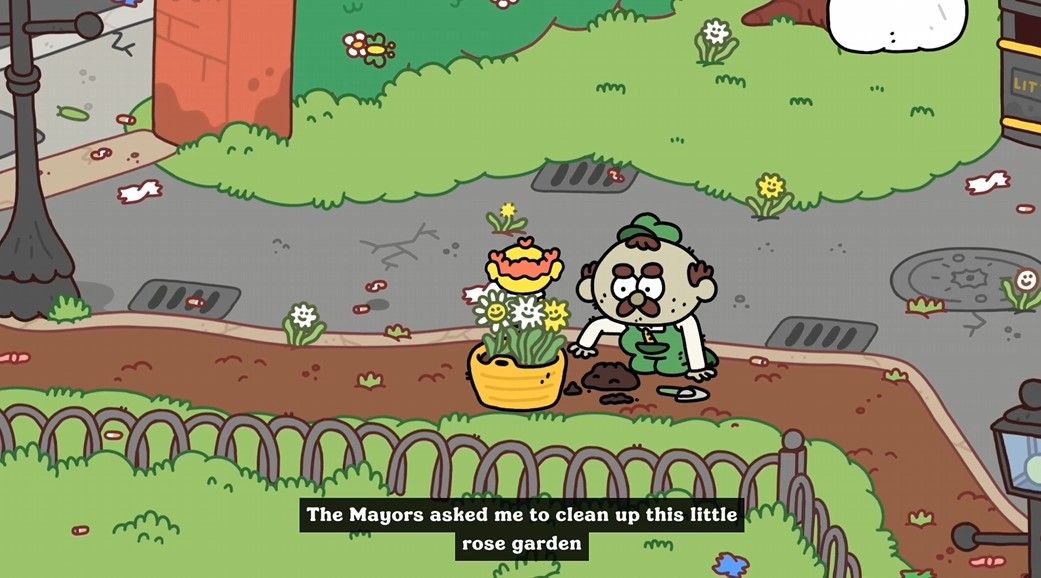
– The core gameplay consists of fulfilling quirky tasks assigned by the townsfolk. These tasks can range from the mundane, like fetching a loaf of bread, to the utterly bizarre, such as navigating a surreal scenario involving a cow experiencing a hallucination. Each task you complete not only enriches the individual character’s story but also contributes to building the town’s overall narrative tapestry, often filled with humor and unexpected outcomes.
2. Interacting with NPCs:
– Interaction is primarily facilitated through a distinctive “slap” mechanic, which initiates conversations with NPCs. When you slap an NPC, it’s akin to stirring their storyline awake, as they might share new tasks, revelations, or quirky anecdotes. The responses from these characters are dynamic and can shift based on your previous interactions with them, making the experience feel personalized and reflective of your journey in Barnsworth.
3. Story Progression:
– While the game lacks traditional branching narratives or direct choices, your actions influence NPC perceptions and the atmosphere of the town. For example, consistently helping a particular character may alter the dynamics among them and other townspeople, potentially resolving conflicts or leading to new humorous scenarios. This invites a sense of community involvement that is integral to the gameplay.
Limitations and Repetition
– Linear Gameplay:
– Despite the engaging charm of Barnsworth, the gameplay experience is quite linear. Players often find themselves revisiting similar locations to complete various tasks, which can feel repetitive. However, each visit has the potential to yield new dialogue or story elements, keeping the encounters fresh and entertaining.
– No Save Capability for Different Outcomes:
– The game design does not allow for saving at various points to explore different narrative branches. This directional gameplay encourages players to immerse themselves in the experience rather than stressing over making the “right” choices. Ultimately, the story is designed to be enjoyed in its entirety, focusing on the collective humor rather than diverging paths.
Example Interactions
– Mundane vs. Absurd Tasks:
– Players may find themselves executing both straightforward tasks, like delivering groceries, and outlandish challenges—such as chasing after an unusual creature or assisting a bewildered NPC. Each task serves to deepen the connection to the storyline while keeping the tone lighthearted and comedic, reinforcing the game’s whimsical nature.
– Community Events:
– Throughout the game, players will also encounter community events that exemplify the interactions and relationships among Barnsworth’s residents. These gatherings can act as a backdrop for plot progression and showcase the gossip and social dynamics within the town, amplifying the sense of a living community.
Conclusion
Influencing NPC storylines in Thank Goodness You’re Here prioritizes playful engagement over significant narrative choices. The blend of quirky tasks, humorous dialogues, and the slap mechanic fosters an immersive and lighthearted experience. Overall, the emphasis on entertaining interactions and comedic storytelling invites players to enjoy Barnsworth’s charm, celebrating the absurdity of the game’s world while appreciating the individuality of its characters.



Leave a Reply