
To effectively analyze the dream-like imagery and visual symbolism in “Mouthwashing,” it’s essential to immerse yourself in the game’s narrative, character dynamics, and overarching themes. This comprehensive guide outlines the crucial steps and elements for a thoughtful analysis:
Understanding the Game Context
To decipher the symbols effectively, begin by grasping the game’s storyline and core themes. “Mouthwashing” delves into sensitive topics such as psychosis, power dynamics, and the ramifications of corporate dystopia. The plot follows the character Jimmy and his crew, revealing their personal struggles and psychological states, which serve as essential backdrops for interpreting the symbolic imagery present throughout the game.
Identifying Symbolism
1. Characters as Symbols:
– Jimmy: His journey embodies themes of power struggle and control. His decisions often reflect deep-seated feelings of guilt and the dehumanization of others, particularly evident in his relationship with Anya, which underscores the emotional toll of his actions.
– Anya: She symbolizes themes of motherhood and the loss of bodily autonomy, representing Jimmy’s guilt and the consequences of his actions manifesting through his delusions.
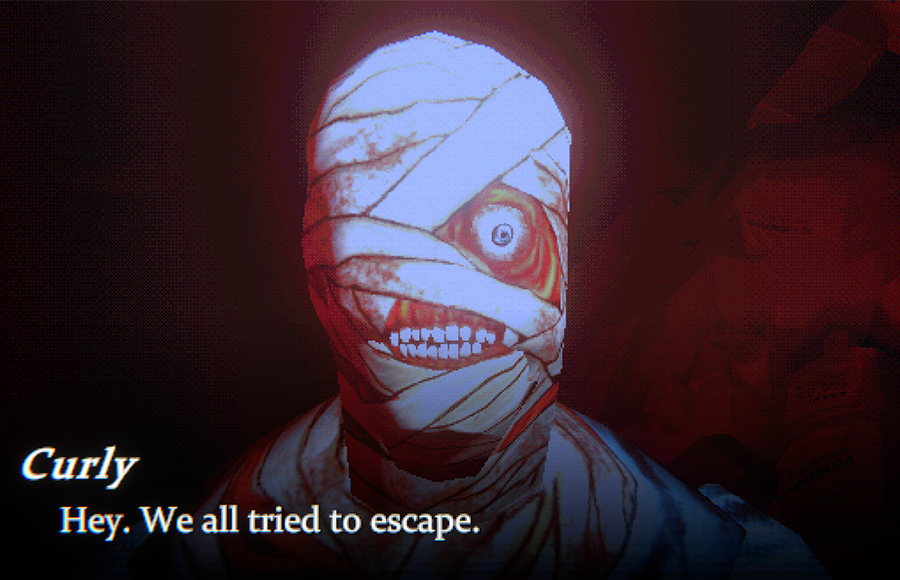
– Curly: This character signifies vulnerability and dependence, often showcased in the interactions and dynamics Jimmy shares with him. Curly’s presence highlights the impact of Jimmy’s actions on those around him.
2. Object Symbolism:
– Horses: These creatures serve as strong symbols of the company’s indifference to the plight of workers, as well as embodying Jimmy’s profound guilt over his exploitative relationships.
– Mouthwash: Typically associated with cleansing or purification, in the context of “Mouthwashing,” it may represent attempts to rid oneself of guilt and addiction—particularly relating to alcohol, which plays a significant role in the narrative.
3. Environmental Symbols:
– Settings and Spaces: The maritime setting of the game symbolizes isolation and entrapment, intensifying the players’ experience of psychological distress experienced by the characters. This environment heightens the narrative stakes, mirroring the characters’ internal struggles.
Interpreting Dream-like Imagery
1. Psychological State: Recognize that the dream-like sequences throughout the game likely reflect Jimmy’s diminishing mental state. These sequences depict his internal conflict and struggles to disconnect from reality.
2. Reality vs. Delusion: Distinguish between the moments of clarity and delirium in Jimmy’s perception. Understanding how he interprets the world around him unveils the distorted perceptions that stem from his guilt and fears.
3. Thematic Connections: Relate symbols and imagery to broader contexts such as corporate oppression, the abuse of power, and the psychological effects stemming from alienation and isolation. This thematic depth enriches the player’s understanding of the narrative.
General Tips for Analysis
– Watch for Recurring Motifs: Keep an eye out for repeated elements across the game, such as specific symbols or characters. Their recurrence could provide deeper insights into the narrative structure and thematic development.
– Research External Influences: Consider that some symbols might draw inspiration from external cultural, cinematic, or mythological sources. Investigating these references can significantly enhance the analysis.
– Consider Player Emotions: Reflect on how the imagery and the symbols elicit emotions within the player. This emotional response can unveil the nuanced themes and messages intended by the developers, providing a richer understanding of the game’s emotional landscape.
By applying these strategies and insights, you can gain a profound comprehension of the symbolic imagery in “Mouthwashing” and appreciate how these elements contribute to its narrative and thematic resonance within the gaming experience.


Leave a Reply