
The study of metaphorical elements in narratives like “Mouthwashing” illuminates the intricate ways in which language can convey deeper themes and emotions. To effectively analyze these metaphors, let’s delve further into each step outlined for interpretation while considering their application in the context of the narrative.
Understanding Metaphors
Metaphors play a vital role in literature, allowing authors to express complex ideas and emotions succinctly. They form connections that elevate the reader’s understanding beyond the literal, encouraging a more profound engagement with the text.
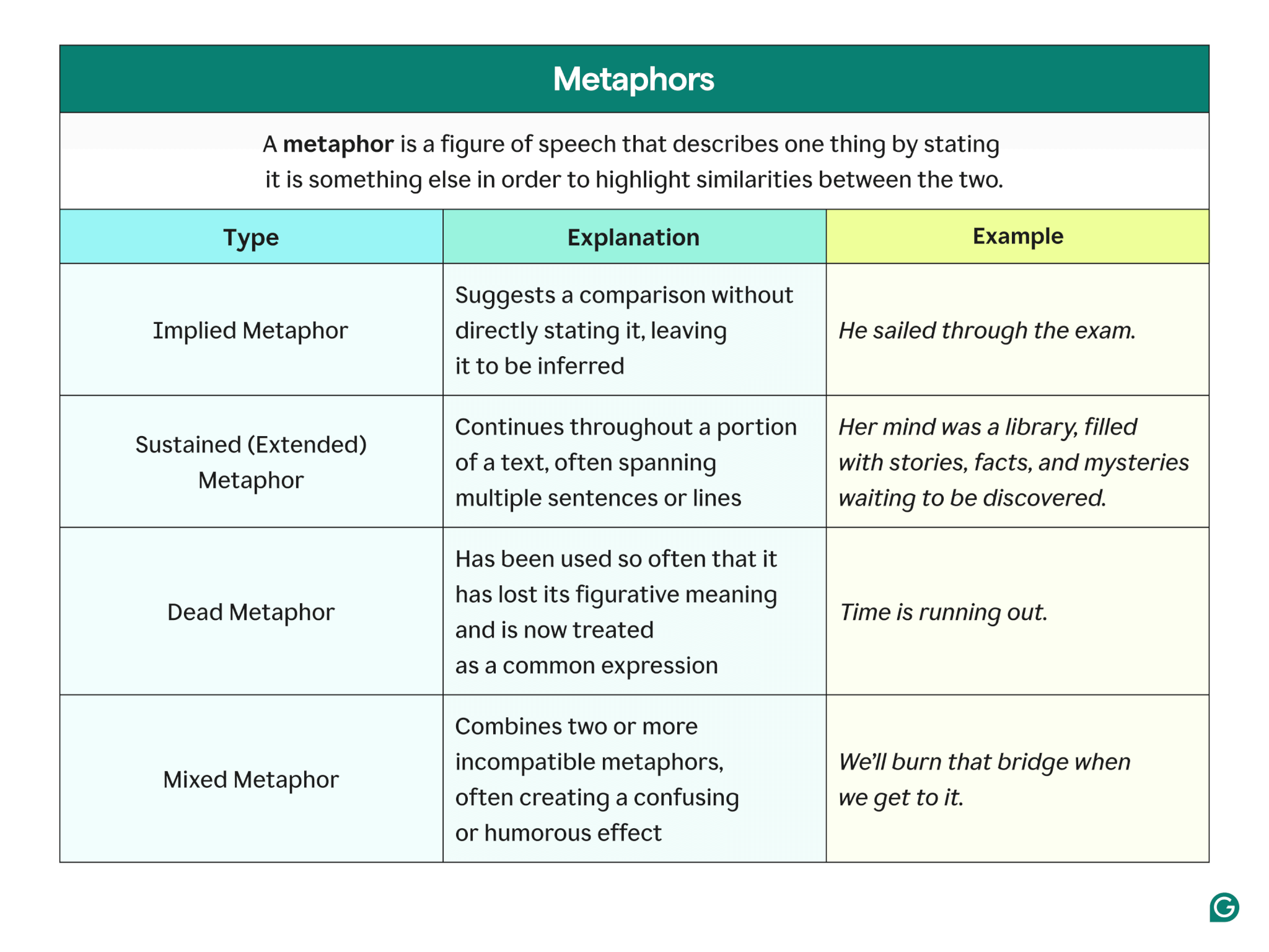
Types of Metaphors in Literature
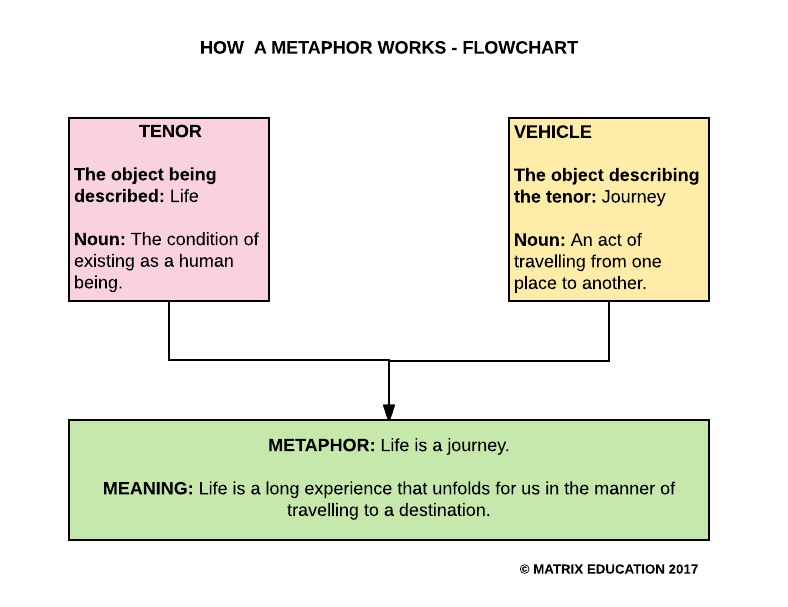
1. Direct Metaphors: These provide a straightforward comparison that can often be immediately understood. For example, when the narrative states, “Life is a journey,” it encapsulates the notion of growth and change, allowing readers to reflect on their personal experiences of life’s path.
2. Implied Metaphors: These offer subtler comparisons. For example, if the protagonist’s life is described through imagery associated with a “stormy sea,” it suggests turbulence and chaos without explicitly stating so, thus allowing readers to infer the character’s tumultuous emotional state.
3. Extended Metaphors: In “Mouthwashing,” an extended metaphor could take the form of the protagonist’s struggle depicted as a river winding through varied landscapes; each twist might represent different challenges faced along the journey, enriching the narrative’s complexity.
4. Controlling Metaphors: A controlling metaphor could dominate the narrative’s structure, shaping the reader’s perception throughout. If “purification” is a central motif, the entire story may revolve around themes of redemption and the search for inner peace.
Steps for Interpretation
1. Read and Analyze Context: Engaging with the text multiple times offers insights into how metaphors are woven throughout the scenes. Understanding the narrative’s emotional landscape allows for a more informed interpretation of each metaphor within its specific context.
2. Identify Key Metaphors: Focus on phrases or imagery that resonate with the central themes. Noting instances where the act of mouthwashing is associated with renewal or transformation can highlight the character’s quest for an emotional rebirth.
3. Explore Comparisons and Representations: Examine the attributes linked to the metaphors. What does “washing away” signify? Does it resonate with the character’s desire to rid themselves of past mistakes or societal expectations? Analyzing these qualities can yield insights into their internal struggles.
4. Consider Emergent Properties: Metaphors can evolve and reveal new interpretations as the narrative unfolds. For example, if the protagonist views “pain” as a weight they carry, this realization may lead to personal growth and an eventual release, transforming the weight into a lighter burden as the story progresses.
5. Evaluate Emotional and Thematic Impact: Reflect on how the chosen metaphors enhance the narrative’s emotional depth. Do they evoke feelings of hope, despair, or resilience? Understanding this impact can elucidate the narrative’s overarching themes, such as the conflict between personal identity and external perceptions.
Additional Considerations
– Symbolism: Consider symbols alongside metaphors, as they often converge to create multifaceted meanings. An object frequently mentioned—like a mirror—may symbolize self-reflection and the struggle with one’s identity, intertwining with the metaphor of “cleansing.”
– Reader Interpretation: Recognize that each reader may derive varying meanings based on their unique backgrounds. An awareness of diverse interpretations can enrich the discussion around metaphoric language and underscore the text’s multidimensional nature.
Conclusion
The careful interpretation of metaphorical elements in narratives such as “Mouthwashing” encourages readers to engage with the text on multiple levels, embracing complexity and nuance. By systematically analyzing language, context, and personal reflections, one can uncover layers of meaning that enhance appreciation for the narrative’s artistic expression. This layered approach not only reveals the thematic richness of the text but also fosters a deeper connection between the reader and the work, making for a more fulfilling literary experience.

Leave a Reply