
Certainly! Here’s an organized and detailed overview of navigating narrative elements in Mouthwashing, a game characterized by its non-linear storytelling and intricate character interactions:
Understanding the Game’s Structure
1. Non-Linear Storytelling:
– The narrative progresses through a non-chronological sequence, which adds layers of depth to character motivations and events. Players will find themselves piecing together the timeline as they interact with various elements within the environment.
2. Player Choice and Interaction:
– While choices do not lead to distinct narrative branches like in some other titles, the game allows players to impact various story outcomes through character interactions and puzzle-solving, resulting in a unique storytelling experience tailored by player actions.
Key Mechanisms for Influencing the Narrative
1. Character Interactions:
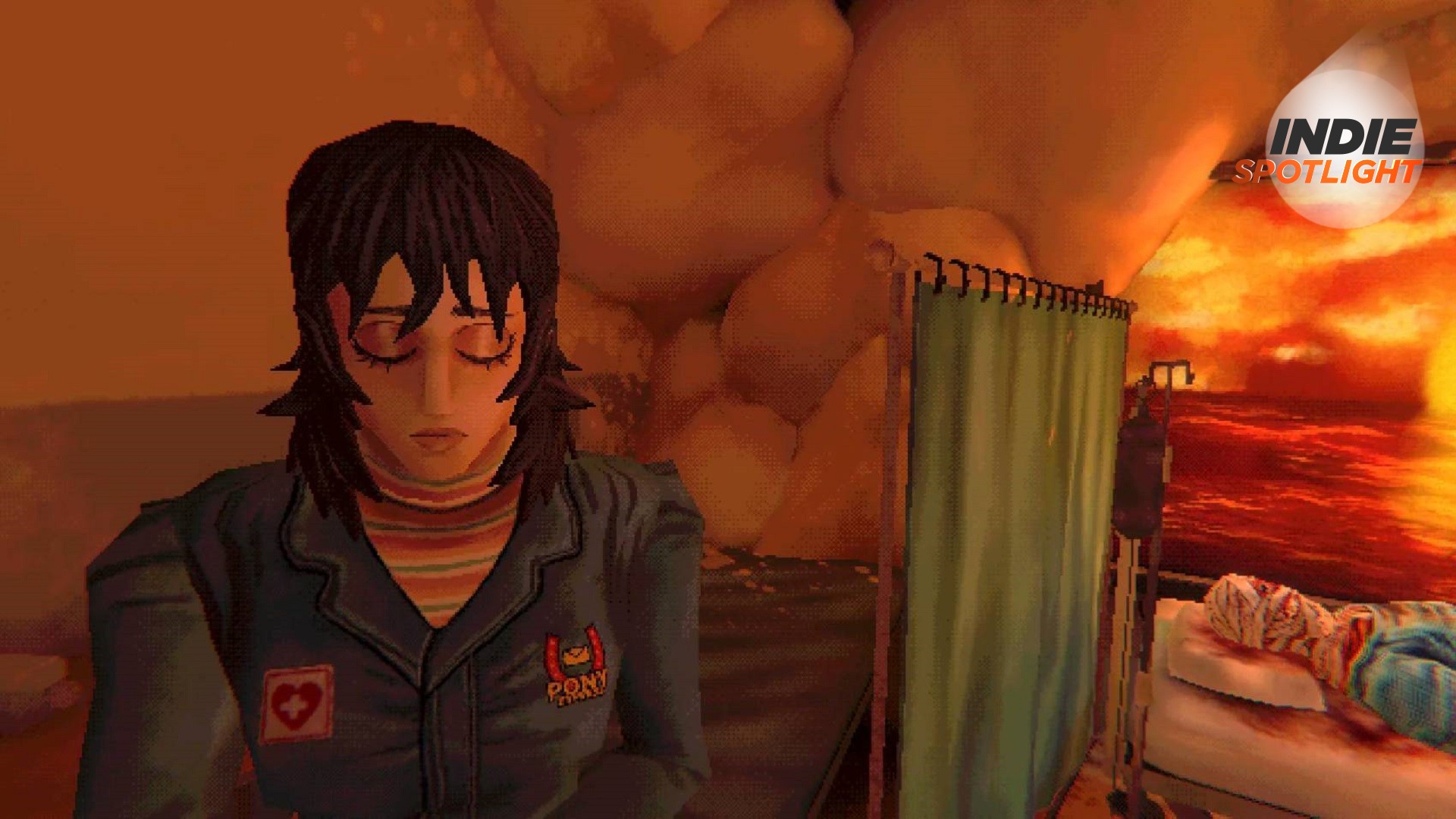
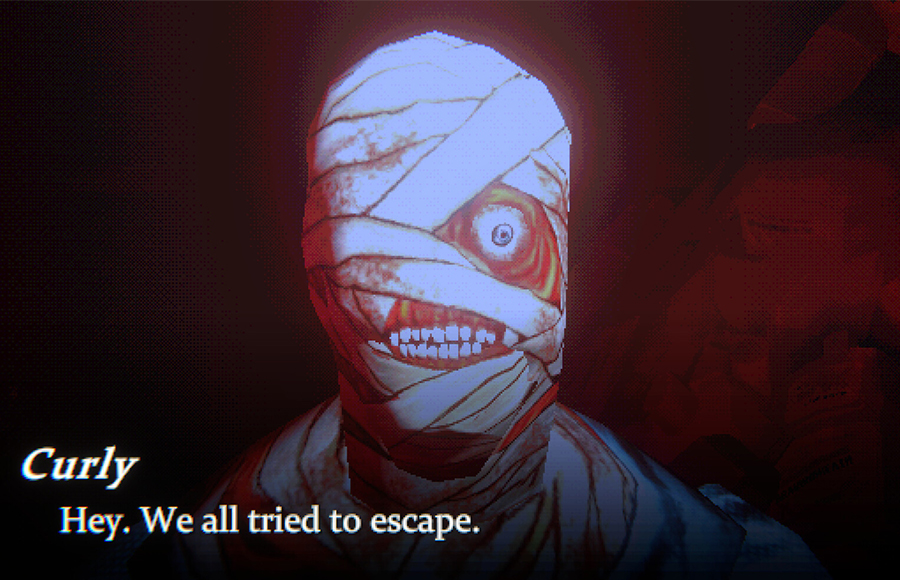
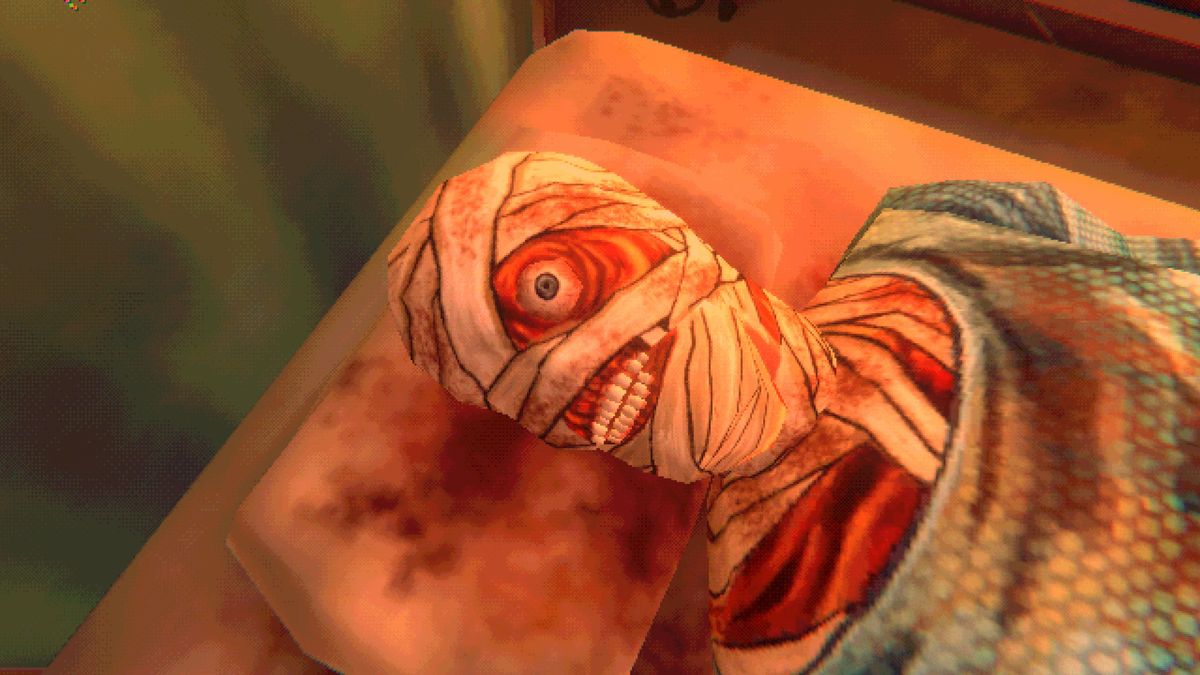
– Engage actively with characters such as Captain Curly, Anya, Jimmy, Swansey, and Dai. Each interaction not only builds relationships but also reveals essential backstories that are critical for understanding the unfolding events.
– Pay close attention to the dynamics of trust and betrayal among characters, as these relationships significantly affect the narrative’s climax.
2. Exploration and Item Use:
– Thorough exploration of the ship is crucial. Look for hidden notes, audio logs, and other items that provide backstory and clues about the crew’s circumstances.
– Using items skillfully—such as mouthwash or tools—can activate specific events or modify the environment, thereby influencing situational outcomes.
3. Puzzle Solving:
– Engage with puzzles, like those involving the ship’s ventilation system or securing access to restricted areas. Successfully navigating these challenges often leads to plot advancements, character revelations, or deeper insight into the ship’s dire situation.
4. Confronting Guilt and Responsibility:
– The theme of personal responsibility is pivotal, particularly in relation to Jimmy’s character arc. Engage with his visions and dilemmas, as confronting guilt is essential in exploring the psychological horror aspects of the game.
– The deeper players delve into these guilt-laden scenarios, the more profound their understanding of character motivations and the impact of their actions.
Unlocking Specific Scenes and Events
To experience pivotal scenes and events, consider the following approaches:
– Swansey’s Secrets: Locate notes in the utility room to learn about Swansey’s mentoring relationship with Dai, revealing character dynamics and hidden motivations.
– Jimmy’s Visions: Engage with Jimmy’s hallucinations, which serve to deepen understanding of his internal conflicts and the backstory leading to the present events.
– Anya’s Trauma: Investigate environments and dialogues that touch on Anya’s experiences. These interactions shed light on themes of trauma and the broader implications on character interactions.
Activating Different Endings or Outcomes
Mouthwashing is designed without traditional multiple endings. Instead, the narrative leads towards a unified climax influenced by player interactions throughout the game. The perception and understanding of the ending vary based on how extensively players engage with the story and its inherent themes, particularly the psychological depth and character development.
Achievements and Console Commands
For players aiming to unlock achievements or access specific game functionalities:
– The developer console can be activated by pressing the tilde (~) key, which can assist in debugging or navigating to particular game states.
Conclusion
In summary, while Mouthwashing eschews conventional branching paths, player interactions and exploration play critical roles in determining how the narrative unfolds. The game emphasizes character psychology and the implications of their actions, inviting players to immerse themselves fully in its world to appreciate the complexities of the storyline. Engaging deeply with characters and their circumstances will enrich the narrative experience, allowing players to uncover the depth and meaning of the plot.

Leave a Reply