
In Ultros, the intricate loop mechanics provide a unique gaming experience where players can influence the world state through a variety of strategic actions. Understanding how these loops work and how to manipulate them effectively is crucial for advancing through the game’s challenges.
Loop Mechanics
At its core, Ultros operates on a loop system where players repeatedly cycle through the same world, with the primary objective of shutting off various pods scattered throughout the map. Unlike procedurally generated games, the layout of Ultros remains static, allowing players to become intimately familiar with the environment. However, while the structure remains unchanged across loops, the player’s interactions and progression can significantly alter the state of the world and subsequent gameplay experiences.
Influencing World State
Several methods exist for influencing the world state, offering players the opportunity to strategize and create meaningful changes throughout their gaming experience:
1. Planting Seeds:
– By planting seeds, players can grow a variety of plants that yield different benefits. These plants can transform the environment by creating new traversal options (such as vines or trees), removing barriers, or connecting previously isolated paths. As players progress through their loops, the plants continue to grow, thus creating new opportunities and simplifying traversal in future cycles. This dynamic interaction with the environment allows for more strategic navigation and can help players avoid combat scenarios.
2. Skill Tree Progression:
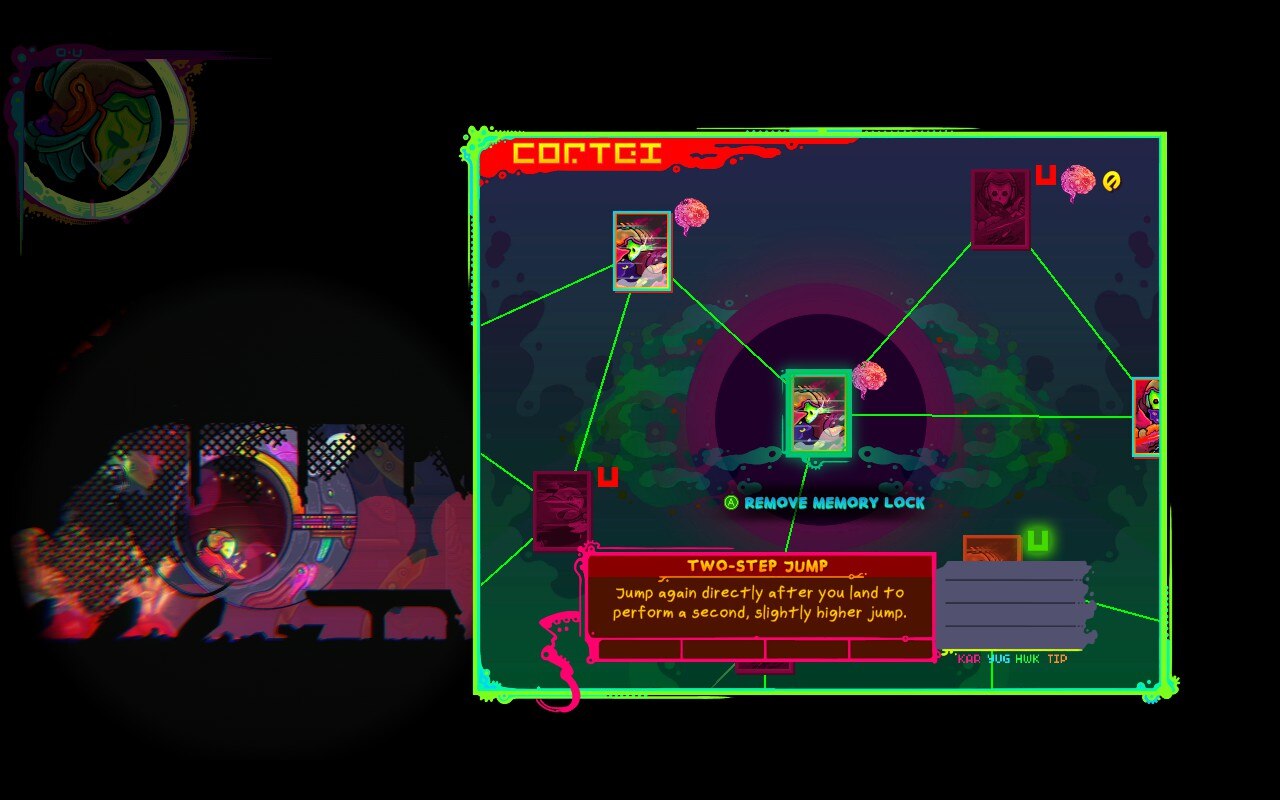
– Players can enhance their abilities by consuming food items obtained from defeating enemies, which is essential for unlocking new skills. However, most skills reset at the beginning of each loop. To counteract this limitation, players can utilize items like Mnemonic Mycelium to lock in specific skills, carrying them over into future loops. This mechanism encourages careful planning and resource management, enabling players to develop and retain a personalized skill set that can be utilized in subsequent cycles.
3. Companion Upgrades:
– Ultros features a companion system where these allies can be upgraded to provide players with consistent benefits throughout their loops. Companions maintain their upgrades, granting players reliable movement tech and specialized plant mechanics that evolve and adapt with them. This aspect ensures that while other elements may reset, players have steadfast support to navigate challenges across different loops.
4. Exploration and Network Building:
– The game encourages exploration which is pivotal in building a network of paths by strategically using seeds. This exploration not only opens up new routes but can also facilitate the creation of fast travel options. The ability to access previously overlooked areas or circumvent battles through developed pathways can drastically alter the player’s experience, making it essential to engage with the environment actively.
Resetting World State
At the conclusion of each loop, players find that while the world state resets in certain aspects—primarily the skill tree and the starting point—permanent changes made remain. The transformations that players achieve through planting seeds or locking in skills persist, establishing a sense of continuity that allows for an evolving gameplay experience.
Conclusion
In summary, Ultros masterfully combines loop mechanics with strategic elements that allow players to leave a lasting impact on the game world. By understanding the interplay of planting seeds, skill progression, companion upgrades, and exploration, players can effectively navigate and shape their environment within each loop. This blend of reset dynamics with permanent changes creates a richly layered experience, encouraging exploration and thoughtful decision-making throughout the game.

Leave a Reply