
Assassin’s Creed Shadows: An Exploration of Historical Figures and Events in Feudal Japan
Assassin’s Creed Shadows offers players a unique opportunity to immerse themselves in the intricacies of Japan’s Sengoku period through its vivid portrayal of historical figures and key events, seamlessly woven into both the narrative and gameplay mechanics.
Historical Figures
The game is celebrated for its diverse cast of historical characters who significantly enrich the storyline:
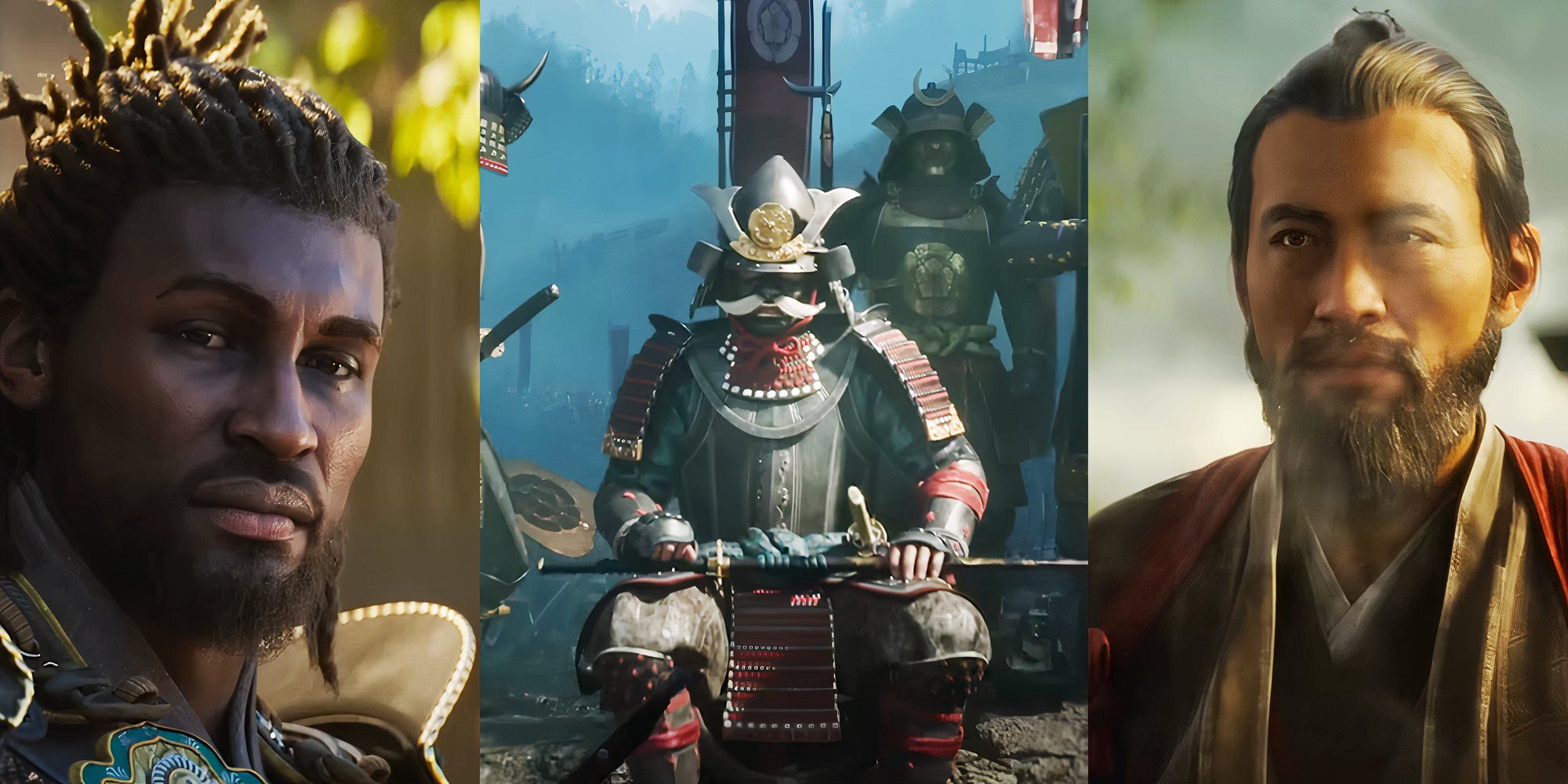
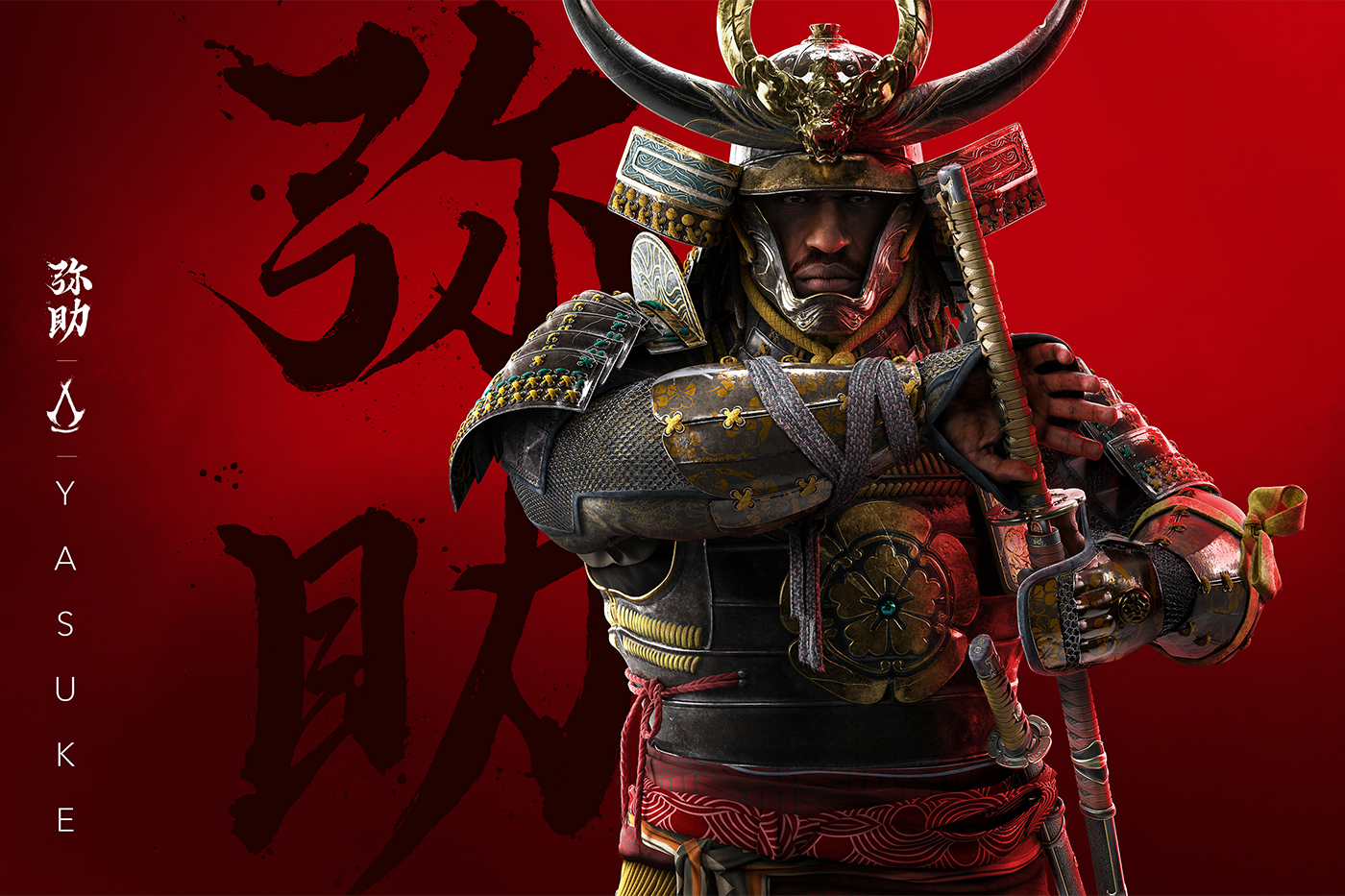
– Yasuke: Central to the plot, Yasuke is the first African samurai, whose narrative forms the backbone of the player’s experience. Players follow his journey through feudal Japan, offering insights into the complexities of cultural exchange during the 16th century. As Yasuke interacts with influential figures like Oda Nobunaga, players can delve into themes of identity, loyalty, and the samurai ethos.
– Oda Nobunaga: A key figure in Japanese history, Nobunaga’s ambition to unify Japan serves as a crucial narrative cornerstone. His relationships with companions and adversaries, including the significant betrayal by Akechi Mitsuhide, are explored in depth, highlighting the political machinations of the Sengoku era. The game allows players to witness Nobunaga’s strategic brilliance as well as his vulnerabilities.
– Hattori Hanzō: Known as “Oni no Hanzo,” this legendary ninja not only adds a dynamic combat element but also serves a mentorship role to Naoe, the game’s second protagonist. Hanzō’s mastery of stealth and tactics enriches the gameplay, providing players with a deeper understanding of ninja culture and its strategic importance in feudal Japan.
– Akechi Mitsuhide: As the architect of Nobunaga’s downfall, Mitsuhide’s character is a study in complexity. Players can experience his motivations and internal conflicts as they navigate through his relationships and the broader political landscape, particularly in the lead-up to the Honnō-ji Incident.
– Toyotomi Hideyoshi: Though not a playable character, Hideyoshi’s pervasive influence is felt throughout the narrative, especially in the aftermath of Nobunaga’s assassination. His rise from a peasant to a powerful leader serves as a backdrop for the political dynamics at play.
– Sen no Rikyū: His introduction into the game adds richness to the experience, showcasing the cultural artistry of the period. Rikyū’s influence on the tea ceremony emphasizes the significance of aesthetics and philosophy, carving out a narrative space for the spiritual practices deeply ingrained in Japanese society.
Real-World Events
Assassin’s Creed Shadows skillfully integrates key historical events that allow players to explore significant moments in Japan’s history:
– The Honnō-ji Incident: This event, where Akechi Mitsuhide betrayed and assassinated Oda Nobunaga, is pivotal to the game’s narrative arc. Players engage with the events leading up to this treachery, experiencing the profound impact it had on the course of Japanese history.
– The Sengoku Period: The game is set against the broader backdrop of the Sengoku period, characterized by incessant warfare and shifting alliances. It captures the essence of Japan’s struggle for unification and the cultural transformation during this time, including the rise of the Tokugawa clan.
Interaction Mechanics
The game provides several innovative mechanics that allow players to engage with these historical figures and events:
– Quests and Missions: Players undertake quests directly linked to historical figures, often requiring the retrieval of significant artifacts or the completion of tasks that emphasize the historical context. These missions not only propel the narrative forward but also educate players on the historical significance of each character.
– Dialogue and Cutscenes: The game employs rich dialogue interactions and cinematic cutscenes that allow players to experience pivotal moments in history. Through this engagement, players gain insight into the motivations, desires, and conflicts that defined these historical figures.
– Combat and Exploration: Combat mechanics are designed to reflect the martial skills of figures like Hattori Hanzō, allowing players to engage in authentic battles. Additionally, players can explore accurately depicted historical locations such as castles and temples, deepening their immersion in the richly detailed world.
Conclusion
Assassin’s Creed Shadows embodies a masterful fusion of historical authenticity and creative storytelling. By blending real-life figures and events with engaging gameplay mechanics, the game not only entertains but also educates players about the complex cultural landscape of Japan’s Sengoku period. While it embraces artistic liberties, it does so within a framework that respects and highlights the rich history and cultural tapestry of the era, inviting players to explore, learn, and immerse themselves in a world shaped by extraordinary individuals and events.



Leave a Reply