
Assassin’s Creed Shadows introduces a sophisticated dynamic weather and seasonal system that plays a pivotal role in shaping both stealth and combat mechanics. This system not only enriches gameplay but also creates an immersive, living world that adapts to environmental shifts.
Impact on Stealth
1. Visibility and Detection
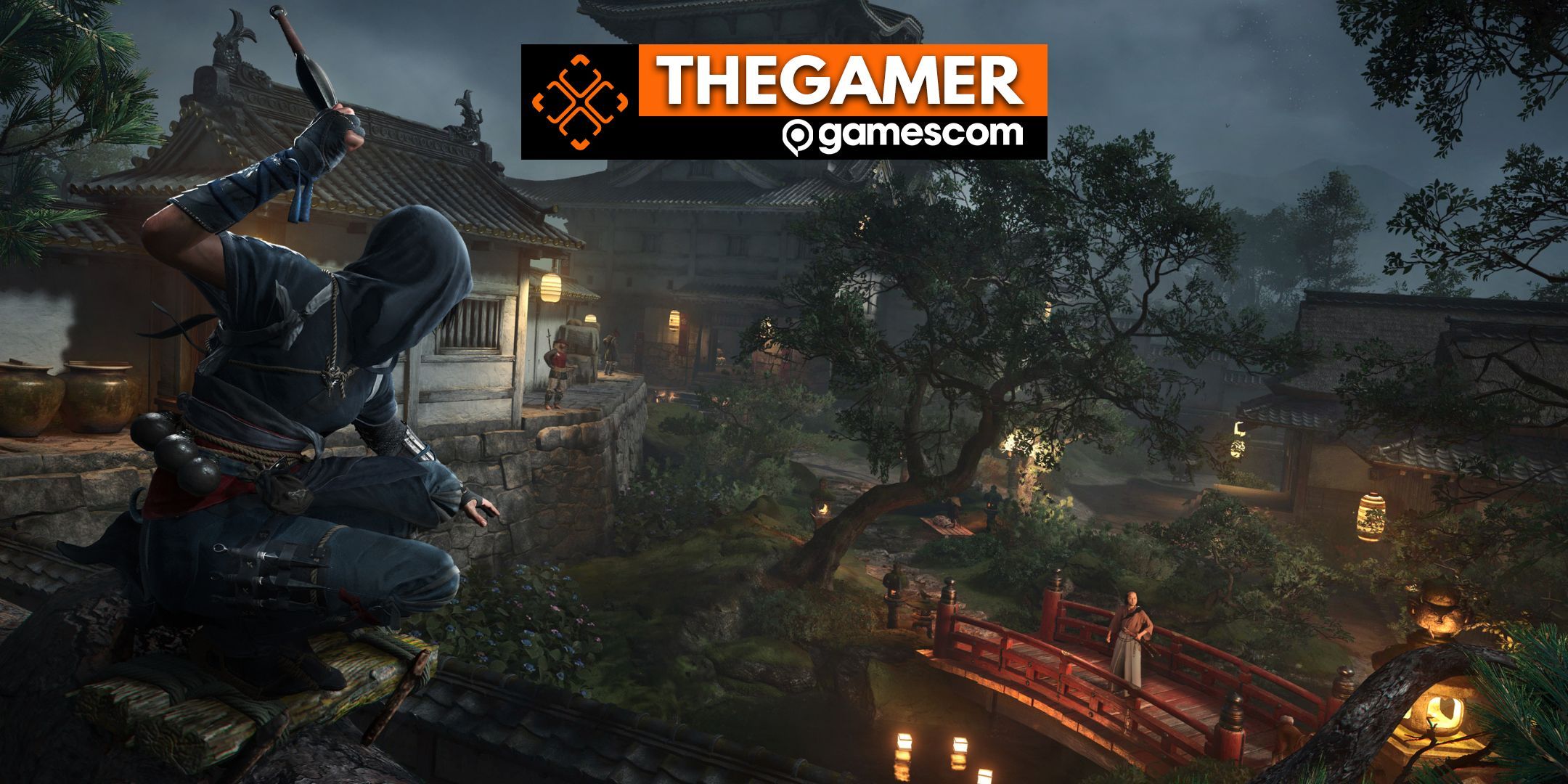
– The game’s weather conditions significantly influence visibility. For instance, fog can obscure the line of sight, making it easier for players to maneuver undetected. Conversely, clear and sunny conditions heighten the risk of being spotted by NPCs, particularly guards, necessitating more careful planning and execution of stealth tactics.
2. Sound and Environmental Noise
– The environmental audio landscape is meticulously crafted, where elements such as rain on rooftops or rustling leaves caused by wind can mask a player’s movements. This sound masking enables players to leverage the weather to their advantage, enhancing their ability to remain undetected. However, seasonal elements like icicles in winter pose risks; if disturbed, they can alert nearby guards, adding a layer of complexity to stealth approaches.
3. AI Behavior and Patrols
– The adaptive behavior of NPCs is a hallmark of Shadows’ design. Weather influences guard routines; during rain, for example, guards might seek shelter, leading to altered patrol patterns that create new opportunities for players to exploit.
4. Environmental Interactions
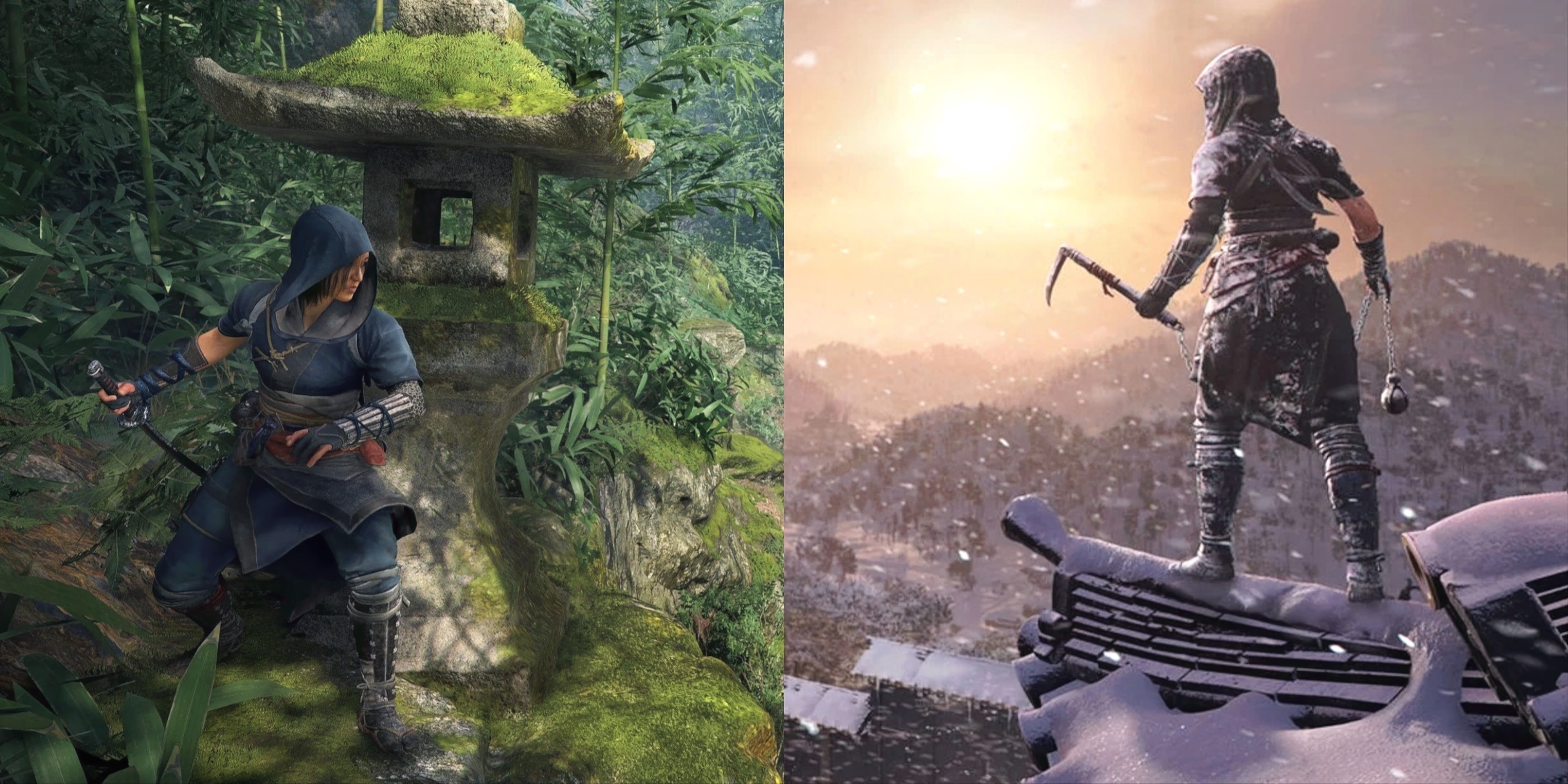
– The changing seasons add further depth to stealth gameplay. The winter season brings challenges, such as the disappearance of tall grass, which typically serves as cover, while also introducing potential pathways, like frozen ponds. Additionally, dynamic elements like falling icicles can provide both hazards and tactical advantages depending on how players navigate the environment.
Impact on Combat
1. Environmental Effects on Combat Tactics
– Weather conditions reshape combat by affecting how NPCs behave. Rain can lead to tighter clusters of enemies as they seek protection, presenting strategic opportunities for players to exploit these formations during confrontations.
2. Dynamic World Reactions
– The game’s innovative mechanics ensure that environmental factors like wind and rain not only create visual effects but also influence gameplay. For example, the direction of the rain and the intensity of wind serve as indicators, giving players tactical cues about enemy movements and potential distractions.
3. Dual Protagonist Styles
– Shadows introduces dual protagonists, each with distinct gameplay styles. The impact of weather on stealth is particularly pronounced for the nimble shinobi character, while the samurai character, Yasuke, experiences a more traditional combat approach. While the influence of weather may not be as dominant in open combat scenarios, it nonetheless contributes to the overall atmosphere and variability in combat experiences.
Summary
The dynamic weather and seasonal system in Assassin’s Creed Shadows significantly transforms gameplay by:
– Modifying stealth through changes in visibility, sound masking, and adapting AI behavior, such as guards seeking shelter.
– Adding unique environmental challenges and opportunities reflective of each season, from falling icicles to sparse cover.
– Enhancing the immersion with realistic, reactive environments that respond to weather conditions.
– Indirectly influencing combat encounters through altered enemy positioning and strategic environmental cues.
– Providing a fresh, diverse experience with each playthrough as the seasonal and weather variations create a continually evolving tactical landscape.
This innovative integration of environmental dynamics marks a considerable advancement for the Assassin’s Creed series, deepening its stealth mechanics and enriching the vibrant, reactive landscape of feudal Japan.



Leave a Reply