
Atomfall Dialogue System Overview
In Atomfall, the intricate dialogue choices significantly influence the narrative and character dynamics, ultimately shaping the protagonist’s fate and the overall game experience. The dialogue system is built on several key features that ensure player agency and emotional engagement.
Tone-Driven Choices
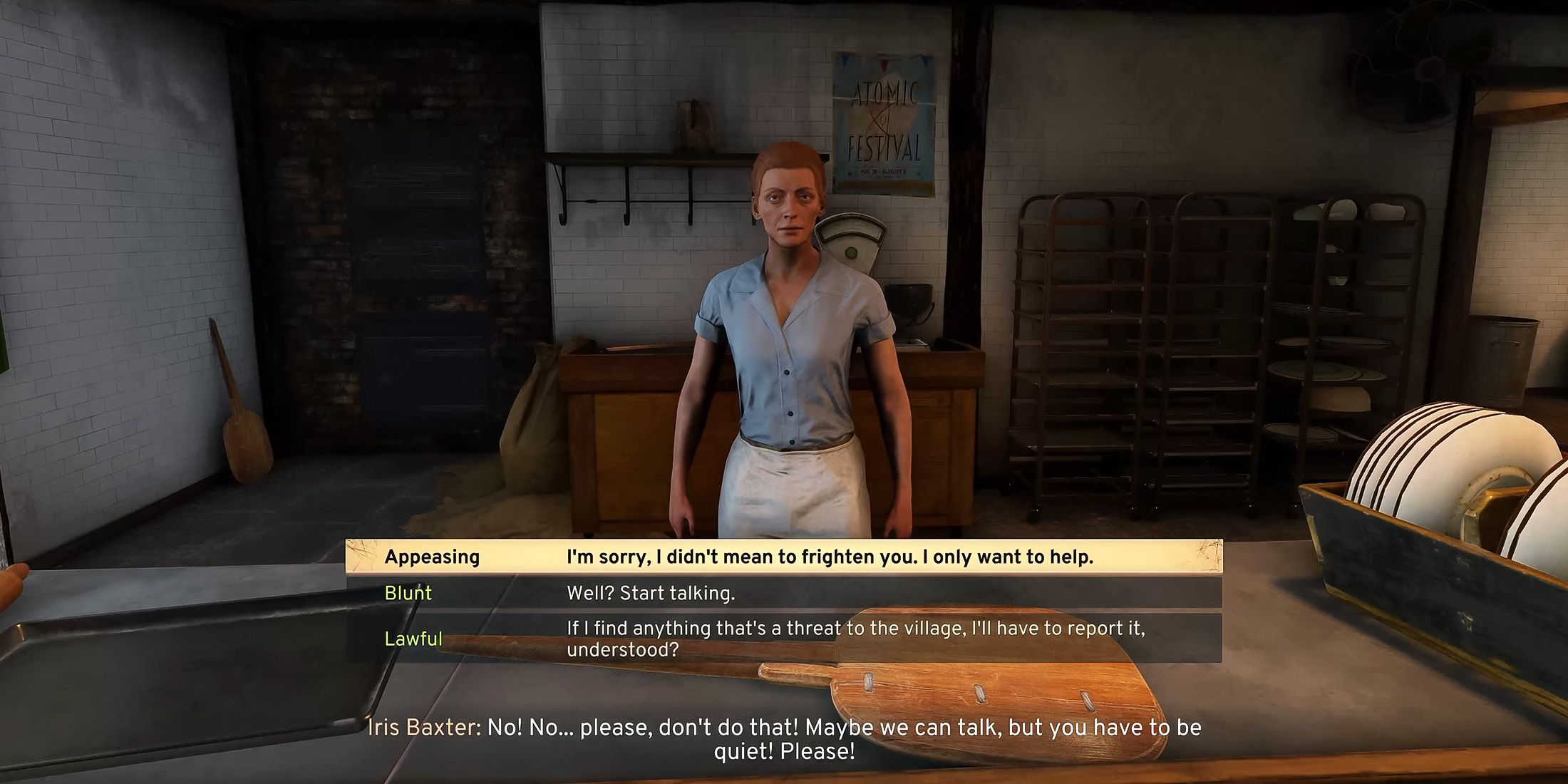
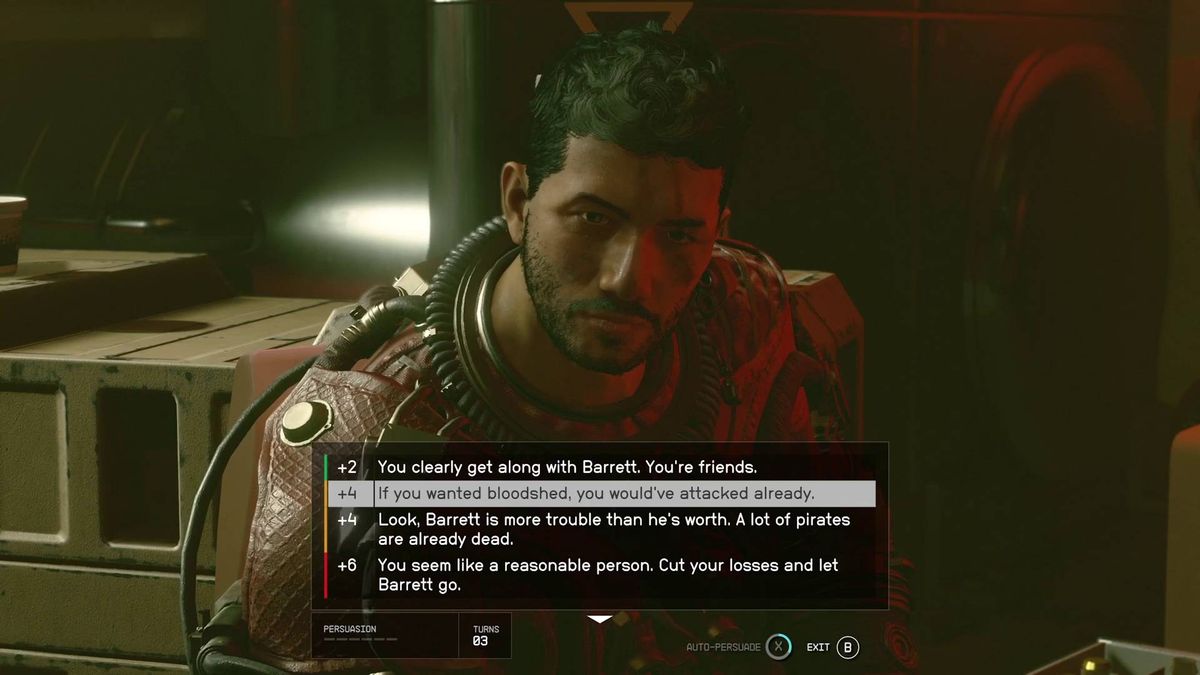
One of the standout features of the dialogue system is its tone-driven choices. Each dialogue option is accompanied by an explicit tone—such as confused, angry, or friendly—allowing players to express their desired emotional direction clearly. This structure helps eliminate misunderstandings—where a player’s choice might inadvertently trigger an unintended response from NPCs. Consequently, players can approach conversations with a strategic mindset, knowing that their tone will predict and affect NPC reactions in a meaningful way.
Dynamic Relationship Development
Unlike traditional RPGs that might employ a simplistic “friendliness meter,” Atomfall opts for a more nuanced approach. Relationships with characters evolve based on player intuition and the context of their choices. Each NPC maintains their own motivations, and therefore, how players communicate impacts relationships organically. This design choice allows for a diverse representation of character alignments, where players can authentically embody their characters without feeling constrained by binary moral decisions.
Trust and Narrative Leads
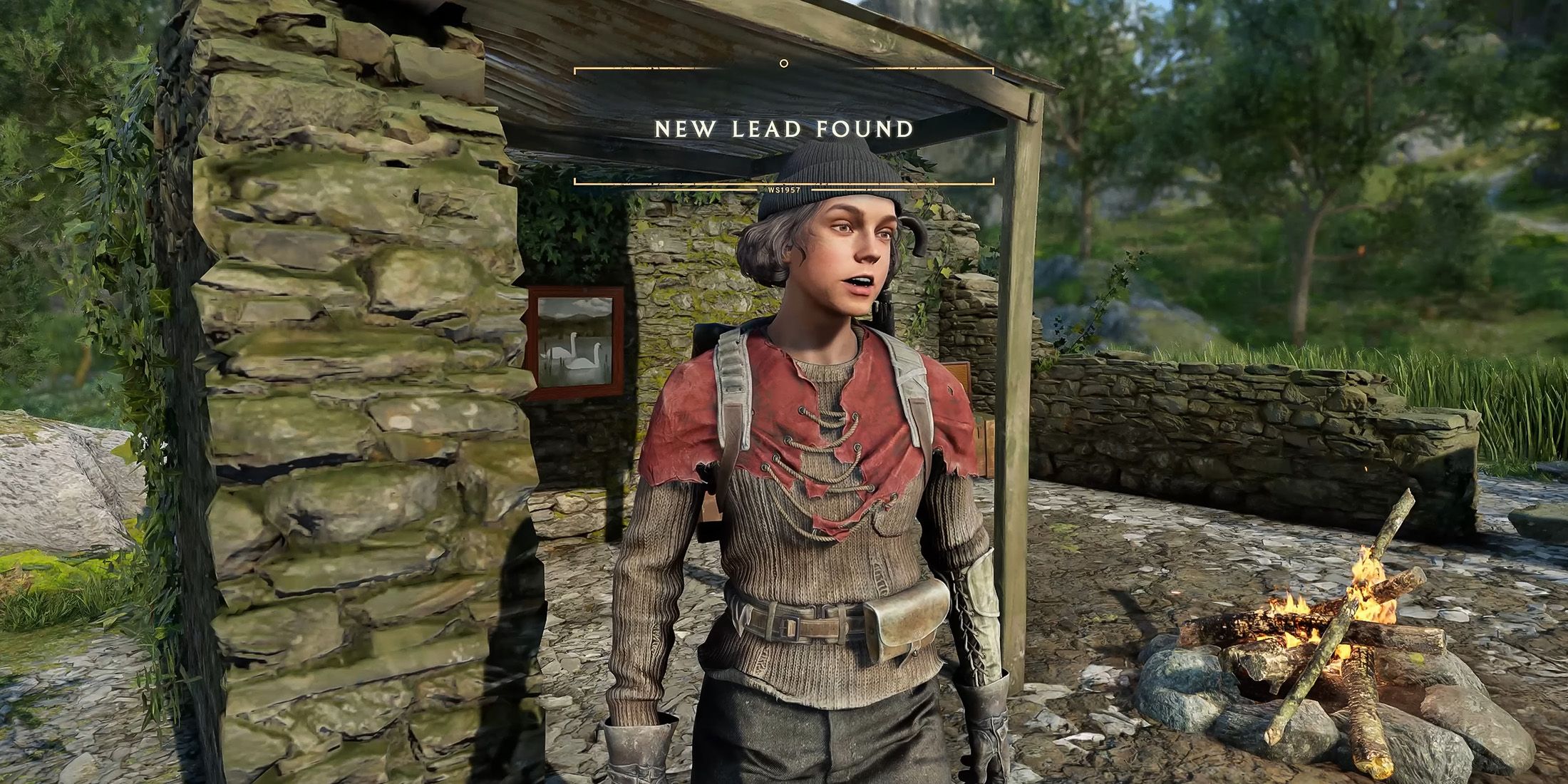
Dialogue with NPCs serves a dual purpose by helping players gather Leads—crucial clues and quest paths that influence the player’s journey. As NPCs often provide conflicting narratives, the decision about whom to believe shapes the quests available, affecting not just the immediate gameplay but also the overarching mystery within the story. The potential to kill NPCs adds an additional layer of complexity, drastically altering plotlines and character interactions and demonstrating the weight of players’ choices.
Endings and Character Alliances
Atomfall stands out with its multiple endings, directly tied to character relationships and ally questlines. The game features six mutually exclusive endings, each emerging from the player’s choice of allies. For instance, the player’s decision to side with or oppose a character—like Captain Sims—can lead to vastly different narrative paths. Engaging positively with Sims can enhance the player’s standing with him and unlock new content, whereas conflicting choices may render certain quests inaccessible or alienate other allies.
Information Sharing Dynamics
Another pivotal aspect of the dialogue system is the choice of who to share vital information with. Whether confiding in Captain Sims or another character like Iris, these decisions will drastically alter the unfolding of quests and character trust levels. This raises the stakes as players must weigh their character’s values and the potential consequences of their shared knowledge.
Player Agency through NPC Interactions
Moreover, the freedom to kill or spare NPCs introduces immense variability to the narrative. These decisions can close access to specific story elements or open alternative routes, further emphasizing that every choice a player makes shapes their journey not only in character relationships but also in terms of content and endings.
Conclusion
In summary, Atomfall employs a sophisticated dialogue system where choices intricately influence story outcomes, character relationships, and quest opportunities. By integrating features such as tone-driven choices, dynamic relationship development, trust mechanics, and kill/spare options, the game crafts a deeply player-driven narrative. Ultimately, the consequences of dialogue choices define not just the protagonist’s relationships but also the ultimate fate of the game world, showcasing the power of player agency in storytelling.

Leave a Reply