
In Citizen Sleeper 2: Starward Vector, the deepening of gameplay mechanics allows players to adapt their playstyle mid-game in versatile and engaging ways. Here’s a detailed exploration of how these systems work:
1. Class Choice and Specialization
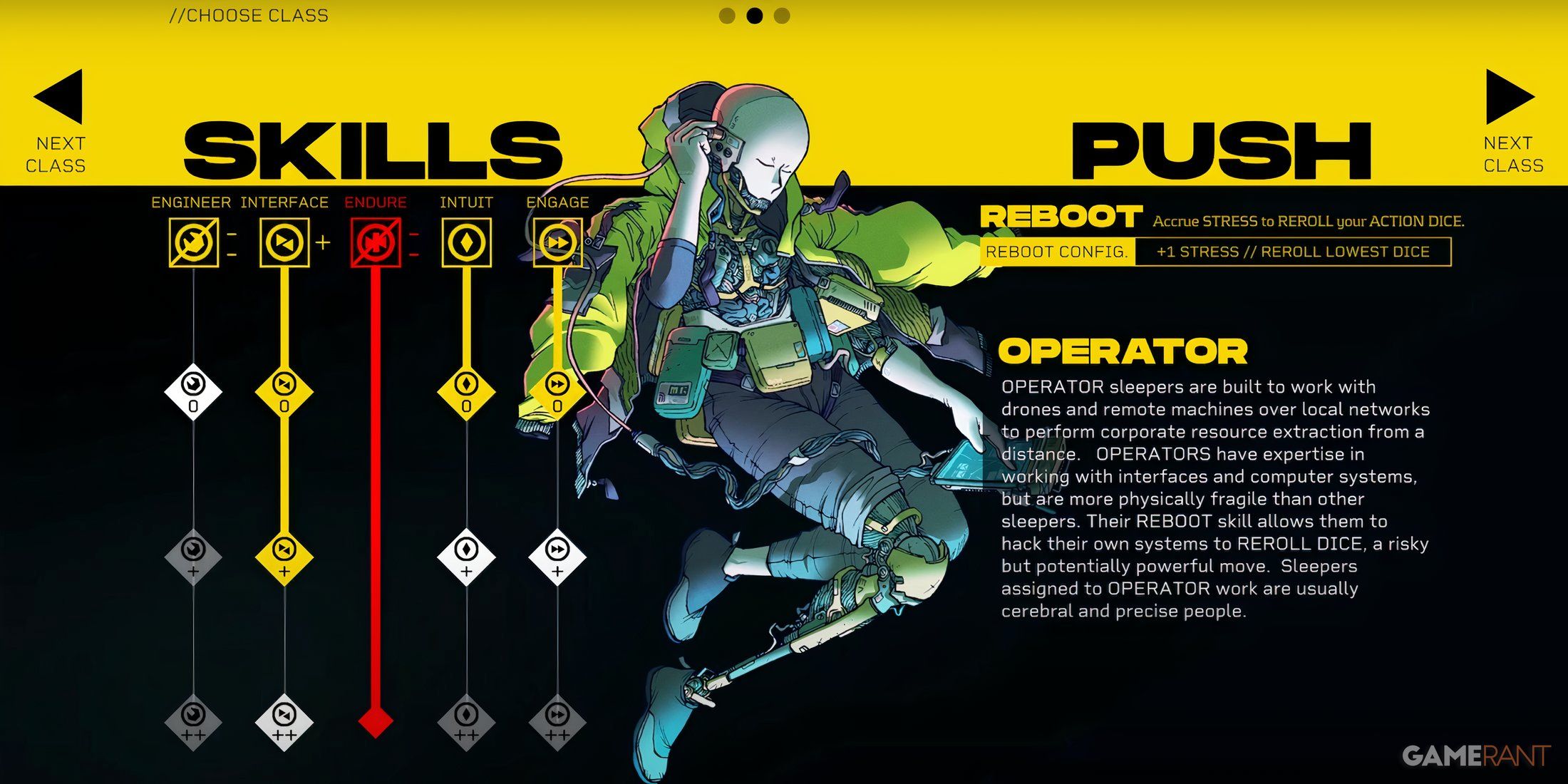
At the onset of your adventure, you select a class for your Sleeper character—Operator, Extractor, or Machinist. Each class comes with distinct advantages tailored to certain tasks as well as specific weaknesses. This choice underpins your initial gameplay style, guiding early strategic decisions. However, the design encourages exploration beyond the confines of your chosen class. As you navigate through the game, the mechanics incentivize players to experiment with actions that may not align with their class strengths, fostering adaptability and innovative problem-solving.
2. Crew Members and Team Building
A significant enhancement in Citizen Sleeper 2 is the introduction of crew members, which shifts some responsibility away from the player. During contracts (the game’s side quests closely tied to the overarching narrative), you have the opportunity to assemble a team of crew members, each possessing unique dice that offer various advantages and disadvantages. This mechanic effectively allows you to tailor your team composition based on the anticipated challenges, granting you the freedom to pivot your playstyle as the situation demands. Whether you need teammates who excel in combat, stealth, or negotiation, the strategic combination of crew abilities can significantly alter your approach to tasks.
3. Skill Checks and Player Choice
The sequel builds on the importance of player choice through an expanded system of skill checks. These checks are not only tied to your class but also reflect your character’s traits within narrative scenarios. The branching storylines created by these checks mean that the decisions you make can lead to unique outcomes and change the course of your interactions. Such design encourages players to embrace diverse strategies and fosters a more dynamic engagement with the storyline, allowing for mid-game alterations based on the results of earlier decisions.
4. Stress Mechanic and Narrative Adaptation
A crucial aspect of gameplay in Starward Vector is the Stress mechanic, which adds an extra layer of challenge and necessitates adaptability. As players face the unpredictable challenges of the Starward Belt, managing Stress becomes vital. It alters how you respond to situations, demanding strategic reassessment and flexibility. If Stress levels rise, you might have to modify your tactics, leading to different approaches in handling conflicts or encountering obstacles. This mechanic promotes a fluid gameplay experience, where players must constantly evaluate their strategies in light of their current circumstances.
In Summary
The ability to shift your playstyle mid-game in Citizen Sleeper 2: Starward Vector is intricately tied to the combination of class specialization, the strategic use of crew members, impactful player choices in narrative and skill checks, and effective management of Stress. These systems work harmoniously to support a dynamic gameplay experience, allowing for varied and evolving approaches to the challenges that arise in the vibrant and unpredictable universe of the game. Players are encouraged not just to start strong with their chosen class but to adapt and evolve, crafting distinct and personalized journeys throughout the gameplay.


Leave a Reply