
In Citizen Sleeper 2: Starward Vector, navigating the complexities of crew dynamics and potential conflicts plays a crucial role in progressing through the game’s storyline. While the gameplay does not emphasize overt sabotage, the underlying themes of loyalty and trust can lead to situations that resemble betrayal. Here’s a detailed approach to managing these interpersonal dynamics:
Managing Crew and Contracts
1. Crew Skills and Roles:
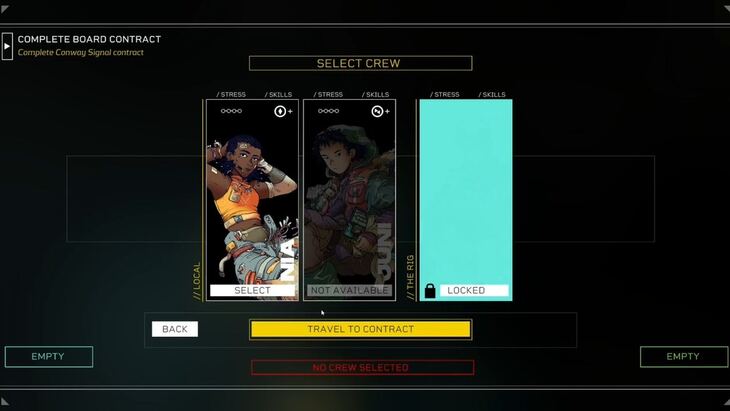
– Understanding each crew member’s unique skills is vital. By strategically selecting crew members whose abilities complement your own, you maximize efficiency in missions and reduce the risk of unforeseen complications. Properly utilizing each member’s strengths helps create a cohesive unit capable of handling various challenges.
2. Contracts and Missions:
– The limited nature of contracts means that choosing the right crew for each specific mission becomes critical. Each contract has unique requirements based on skills and attributes; assembling a team that aligns with these needs not only improves mission success rates but also diminishes the likelihood of friction among crew members during execution.
3. Storyline Choices:
– The game’s narrative is heavily influenced by your decisions. Aligning with certain factions or making choices that impact crew loyalty can have significant consequences. This interconnectedness means players need to be discerning about their choices, as actions taken in the story can foster trust or sow seeds of potential betrayal among crew members.
Dealing with Betrayal
While the game does not operate with explicit sabotage mechanics, there are ways to mitigate perceived betrayals:
– Dialogue and Negotiation:
– Engaging in conversations with crew members can often clarify intentions and motives. Dialogue serves not only as a means to address conflicts but also as a way to strengthen relationships. Understanding the perspectives of your crew can help preempt misunderstandings and foster a more unified team.
– Story Progression:
– The narrative often allows pathways to address or resolve conflicts resulting from betrayals. Choosing the right dialogue options can lead to resolutions that restore trust or otherwise mend rifts within your crew.
– Crew Management:
– If a crew member shows signs of unreliability, it’s worth reevaluating their contributions. While outright dismissal may not be a feature, tactically choosing not to include them in crucial missions can mitigate risk. This strategic selection can help protect against potential negative outcomes tied to their involvement.
Conclusion
In summary, while Citizen Sleeper 2: Starward Vector does not center around explicit mechanics of sabotage, managing crew dynamics through strategic selection, thoughtful decision-making, and effective communication is essential. By being proactive in these areas, you can navigate the complexities of crew loyalty and avoid potential betrayals, ensuring a more successful and cohesive gameplay experience. Understanding the narrative implications of your choices will allow you to cultivate relationships that bolster your objectives rather than hinder them.

Leave a Reply