
The diplomacy system in Civilization VII introduces a nuanced approach to managing inter-empire relationships through the innovative mechanic of Influence, a currency that allows players to engage in various diplomatic actions. This system not only reshapes how players interact with one another but also emphasizes strategy in the management of alliances and relationships.
Understanding the Diplomacy System
Influence as Currency
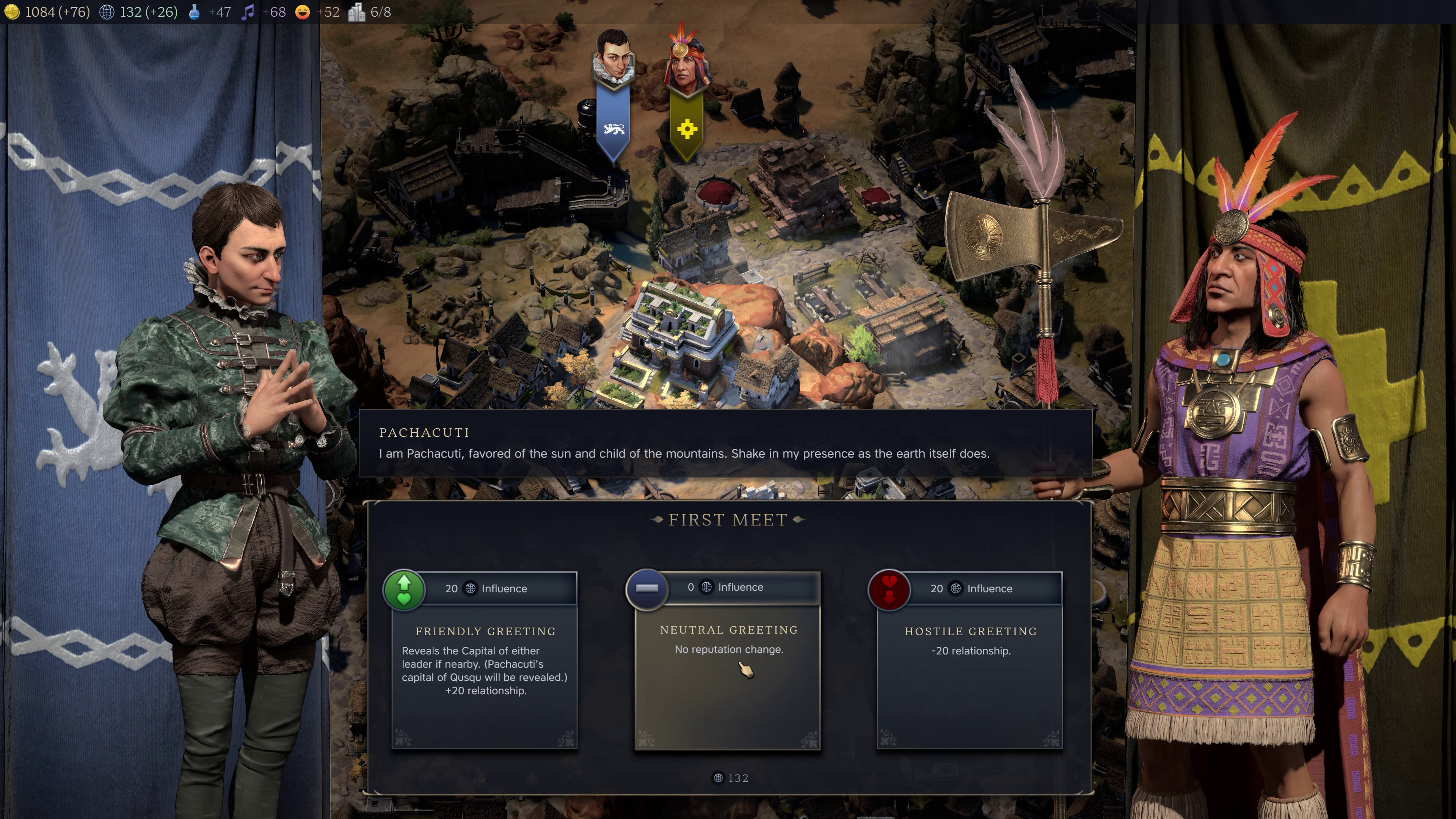
Influence serves as a dedicated currency for diplomatic activities, functioning similarly to Gold but exclusively for engaging with other civilizations. Each turn, players accumulate Influence points that can be spent on a range of diplomatic actions crucial to shaping relations and conducting foreign policy.
Main Diplomatic Actions
1. Endeavors: These actions are designed to foster positive relationships. They include initiatives like Research Collaborations or Food Aid, which can yield bonuses such as increased Science or Happiness. The outcome of an Endeavor depends on the target civilization’s response:
– Support: Benefits both parties and costs Influence for both.
– Accept: Primarily benefits the initiator while costing them influence.
– Reject: Blocks the action, imposes a penalty on the rejecting leader’s Influence, and allows the initiator to recover some spent Influence.
2. Sanctions: These are aggressive diplomatic actions intended to undermine another empire’s capabilities, often resulting in relationship penalties. They are useful for exerting pressure on rival civilizations but can lead to escalated tensions.
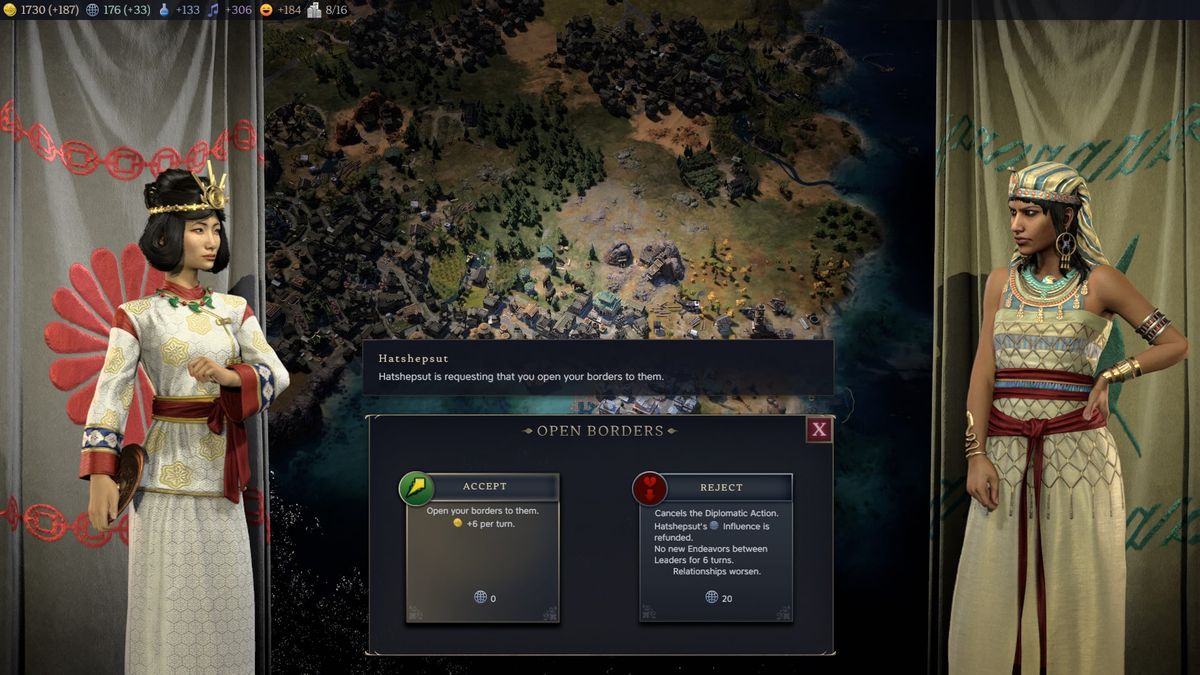
3. Treaties: These involve longer-term agreements that establish frameworks for ongoing cooperation or restrictions, such as Open Borders or Improved Trade Relations, and are essential for creating a stable diplomatic landscape.
4. Espionage: Though less detailed in the initial breakdown, espionage acts as a covert action to manipulate or affect other players, highlighting an element of subterfuge in diplomacy.
Interaction Dynamics
Players propose diplomatic actions, and the response from other leaders significantly affects the interaction:
– Support leads to mutually beneficial outcomes.
– Accept favors the initiator, propelling their strategic goals.
– Reject serves as a defensive measure, costing Influence and potentially complicating future interactions.
Relationship Status Evolution
Relationships in Civilization VII are dynamic, evolving through stages including Helpful, Friendly, Neutral, Unfriendly, and Hostile. This status directly influences available diplomatic actions and the receptiveness of leaders to proposed offers. For example, the formation of Military Alliances requires a Helpful status, making it imperative to nurture and maintain positive relations.
Strategies for Forming Lasting Alliances
To establish and maintain durable alliances, consider the following strategies:
1. Utilize Positive Endeavors: Engage frequently in beneficial Endeavors to foster goodwill. When given the opportunity, choose to Support or Accept actions that align with your strategic goals to improve relations.
2. Avoid Hostile Actions: Steer clear of Sanctions or military provocations that could sour relationships and shift them towards Unfriendly or Hostile statuses. A focus on good relations is the bedrock for deeper alliances.
3. Strategic Influence Investment: Spend Influence judiciously, focusing on proposing Treaties that enhance economic ties and build a foundation of trust indispensable for long-term alliances.
4. Leverage Bonuses: Recognize that positive interactions can yield relationship improvements of +30 to +60 depending on the nature of the support or acceptance, and position offers accordingly to optimize Influence expenditure.
5. Diplomatic Chains: Maintain ongoing successful Endeavors and Trust-building Treaties to secure a Helpful relationship necessary for the formation of Military Alliances and additional powerful diplomatic arrangements.
Conclusion
In summary, Civilization VII’s diplomacy system is marked by the strategic accumulation and expenditure of Influence, necessitating careful planning in the execution of diplomatic actions such as Endeavors, Sanctions, Treaties, and Espionage. Durable alliances are fostered through mutual engagements, careful management of relationships, and strategic utilization of Influence, ensuring players can successfully navigate the complex landscape of inter-empire diplomacy.



Leave a Reply