
How to Successfully Take Off and Land in Flight Simulator 2025
Achieving smooth and realistic takeoffs and landings in Flight Simulator 2025 requires understanding standard aviation procedures and consistently applying best practices. Below are comprehensive steps for both phases of flight, as well as valuable tips to enhance your flying experience.
Successful Takeoff
1. Preflight and Taxi Preparation
– Preflight Checklist: Conduct a thorough check that includes reviewing all control surfaces, instruments, flap settings, trim positions, and engine parameters. Understand the aircraft’s performance data for takeoff.
– Taxiing: Move toward the runway in a controlled manner, ensuring to stay on the centerline. Adjust your speed according to the aircraft type and utilize rudders and brakes to maintain direction without oversteering.
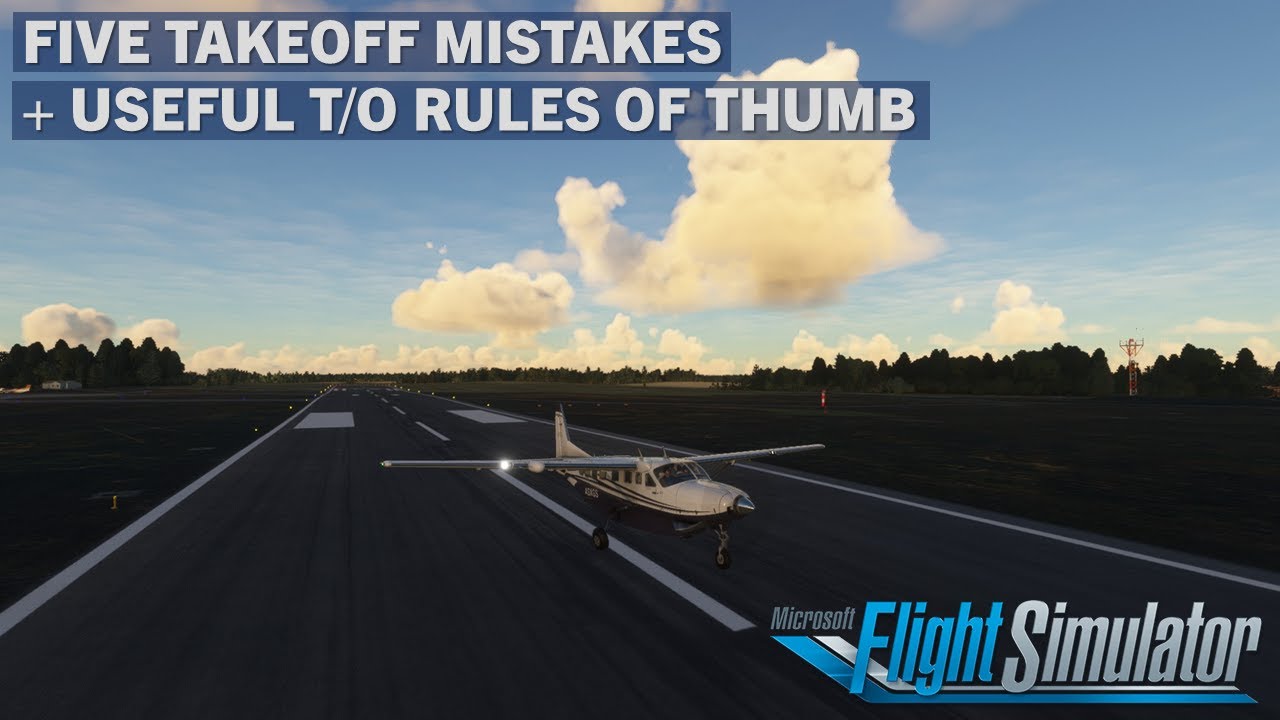
2. Takeoff Procedure
– Runway Alignment: Position the aircraft exactly on the centerline of the runway.
– Throttle Application: Gradually apply full throttle. Be mindful of aircraft torque, especially in powerful models like the Draco X, and use rudder input to maintain straightness.
– Rotation: Keep an eye on your airspeed and initiate the rotation at the appropriate Vr (rotation speed) as specified in the aircraft’s Pilot Operating Handbook (POH). Gently pull back on the yoke to lift off.
– Stabilization: Ensure the aircraft remains aligned and avoid over-controlling, which can lead to instability during takeoff.
– Post-Takeoff: Once airborne, retract the flaps in accordance with the aircraft’s procedures and ensure a positive climb rate. If applicable, engage the autopilot.
Tips for Takeoff:
– Practice “short-field” takeoff techniques for shorter runways. This includes applying full brakes, applying full power, and then releasing the brakes at the correct speed.
– Stay alert to wind conditions; crosswinds require additional rudder input during takeoff to keep the aircraft steady.
—
Successful Landing
1. Approach Setup
– Planning: Begin your approach well in advance. Use visual references or navigational aids for runway alignment and configure the flaps accordingly.
– Speed Management: Gradually reduce your speed to the designated approach speed before reaching the runway threshold, which ensures better control.
2. Final Approach and Touchdown
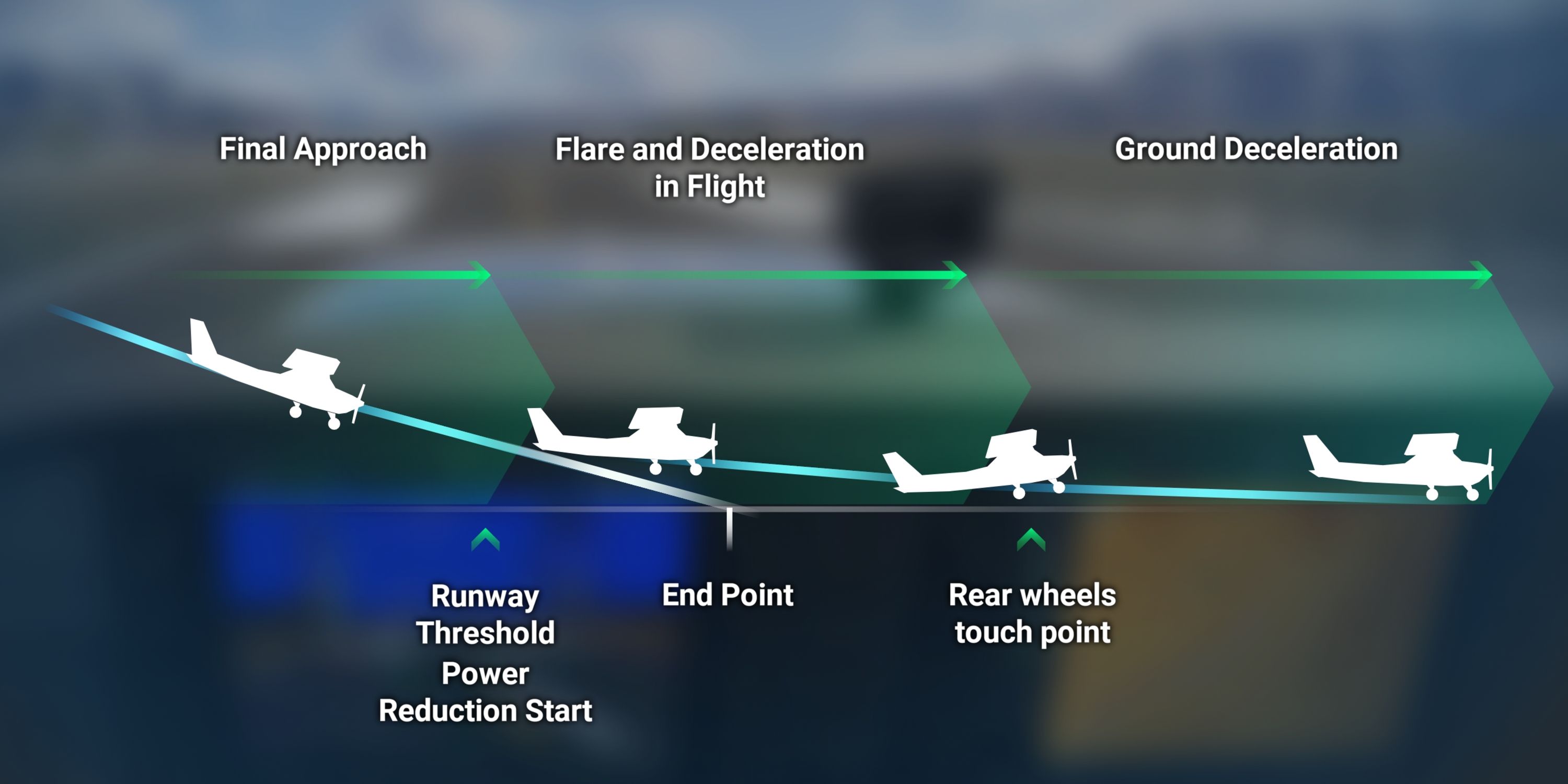
– Descent Management: Control the descent with throttle and pitch to aim for your target landing point on the runway, typically just beyond the aiming point markers.
– Initiating the Flare: Just before touchdown, raise the nose gently to reduce the descent rate for a smooth landing.
– Touchdown Technique: Aim to land on the main landing gear first. If practicing short-field landings, choose your landing spot carefully to maximize the usable runway.
3. After Touchdown
– Flap Management: Depending on the aircraft’s procedure, decide whether to retract flaps immediately after landing or keep them down briefly to assist in braking.
– Braking: Apply brakes smoothly and utilize reverse thrust if available to slow down effectively while using rudder input to maintain directional control.
– Exit Procedures: Once slowed, exit the runway onto the taxiways, reducing your speed to a safe taxiing speed.
Tips for Landing:
– For short or challenging runways, hone your skills in short-field landings to master speed and flap management.
– Be ready to execute a go-around if the approach becomes unstable or if the intended touchdown point is missed.
– Use the rudder with caution during the landing roll, especially in crosswind conditions, to maintain a straight path down the runway.
—
Summary Table of Key Actions and Tips
| Phase | Key Actions | Tips |
|———————|————————————————————-|————————————–|
| Preflight & Taxi | Perform checklist, taxi smoothly | Check controls and instruments |
| Takeoff | Full throttle, maintain centerline, rotate at Vr | Use rudder to counteract torque |
| Climb Out | Gradually retract flaps, ensure positive rate of climb | Engage autopilot if necessary |
| Approach | Maintain a stabilized approach, set flaps, reduce speed | Use navigational aids for guidance |
| Final & Touchdown | Flare before touchdown, aim for main gear first | Target the appropriate touchdown point|
| Landing Rollout | Brake smoothly, possibly use reverse thrust, stay centered | Choose flap position post-touchdown |
| Contingency | Be prepared for go-arounds if the approach is unstable | Keep situational awareness high |
Following these steps and tips not only enhances your virtual flying experience but also contributes significantly to your skill development as a pilot in Flight Simulator 2025. Practice consistently for improvement and confidence in all flight operations.


Leave a Reply