
Here’s a structured and detailed guide on resource gathering in Genshin Impact, focusing on effective methods for cooking and crafting.
—
Core Resource Gathering Methods
1. Open-World Exploration
– Foraging:
– Ingredient Gathering: Collect food items across Teyvat, including:
– Mushrooms:
– Matsutake: Found in forested areas like Mondstadt.
– Berries:
– Valberry: Grows in Liyue, particularly around the areas of Mingyun Village.
– Eggs:
– Search for bird eggs in regions like Mondstadt.
– Regional Specialties:
– Materials for character ascension, such as:
– Calla Lilies: Scattered around Mondstadt.
– Glaze Lilies: Commonly found in Liyue.
– Enemy Drops:
– Defeated enemies like Hilichurls and Slimes drop useful materials:
– Slime Condensate: Used in various potions and enhancements.
– Mask Variants: Important for character upgrading and crafting.
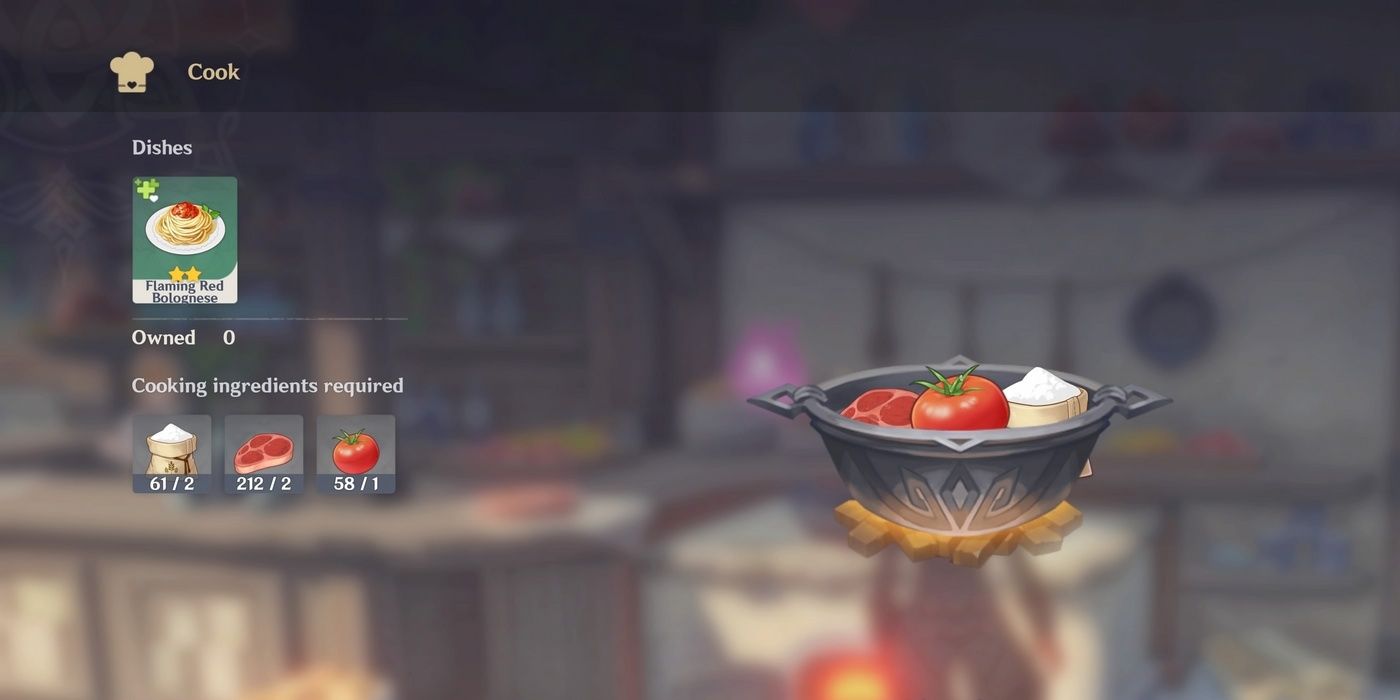
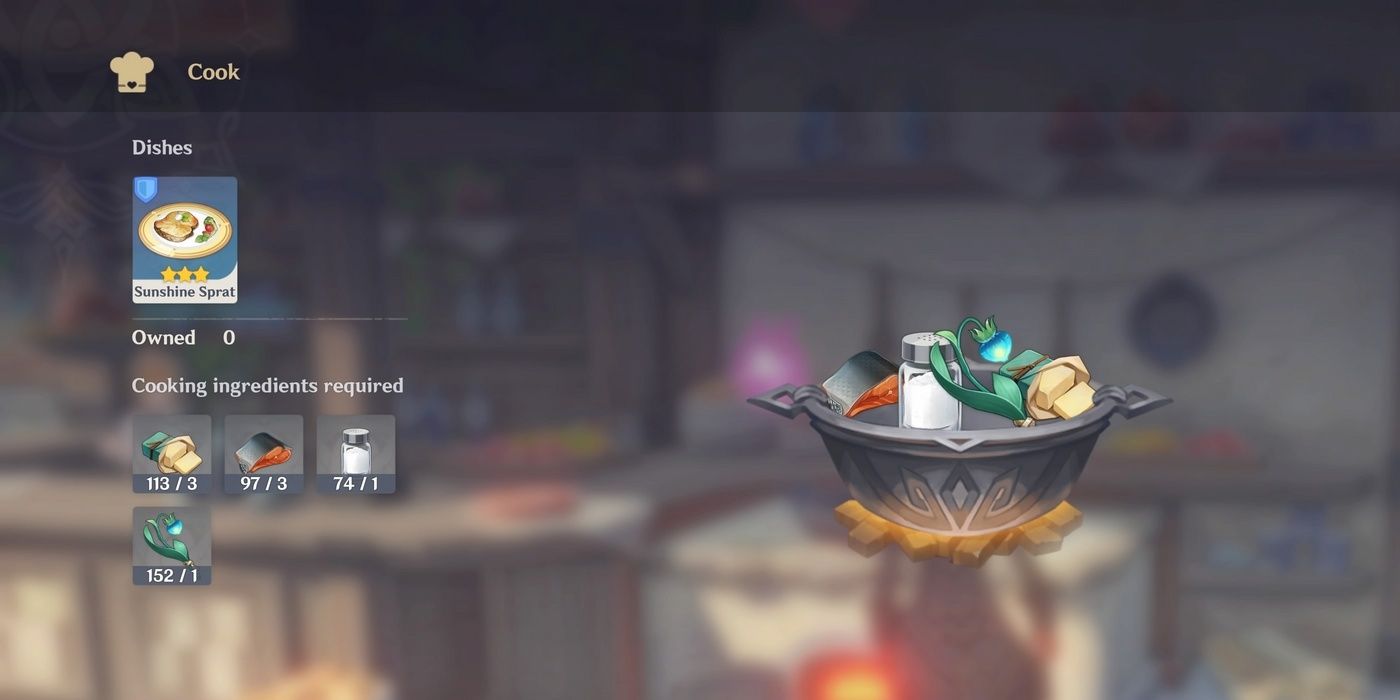
2. Cooking Ingredients
– Animal Hunting:
– Hunt wildlife like birds and boars for ingredients:
– Fowl: Can be found near Mondstadt gates.
– Raw Meat: Harvest from boars in Wolvendom.
– Purchasing:
– Acquire essential cooking ingredients from local shops:
– General Goods Shops: Purchase Salt, Pepper, and Wheat in both Mondstadt and Liyue.
– Specialty Vendors: Get rare ingredients, such as Lotus Head from Bubu Pharmacy in Liyue.
– Fishing:
– Engage with the Fishing Association to catch region-specific fish, which are vital for certain recipes.
3. Crafting Materials
– Ore Mining:
– Gather mining resources across Teyvat:
– Crystal Chunks: Located near cliffs, especially in Brightcrown Mountains.
– White Iron/Star Silver: Harvest from deposits around Mondstadt and Dragonspine.
– Mystic Ore: Convert excess ores at blacksmiths for weapon enhancements.
– Wood Chopping:
– Collect crafting wood types by striking trees:
– Cuihua and Sandbearer for building furniture and projects.
—
Advanced Resource Management
– Condensed Resin:
– Craft at alchemy benches (Liyue Reputation Level 3) for efficient domain farming. Use this for getting resources in domains rich in valuable crafting ingredients like the “Taishan Mansion.”
– Expeditions:
– Send characters on expeditions via the Adventurers’ Guild for consistent collection of resources (Mora, Ore, food).
– Parametric Transformer:
– Use this device to convert redundant materials into Mora, experience books, or ores, reducing inventory clutter and maximizing resource utility.
—
Efficiency Tips
– Daily Route Optimization:
– Utilize interactive maps (such as Genshin Impact Interactive Map) to create effective loops for ingredient respawns, as most items refresh on a 24-hour cycle.
– Teapot Gardening:
– Cultivate plants like Jueyun Chili or Mint in the Serenitea Pot to eliminate the need for open-world farming.
– Time-Saving Tools:
– NRE (Menu 30): Equip this gadget for quick access to food items during combat situations.
– Portable Waypoints: Deploy these at high-demand farming hotspots to facilitate faster travel.
—
Crafting Bench Priorities
1. Potions: Focus on crafting elemental resistance potions using materials like Cor Lapis and Butterfly Wings.
2. Weapon Enhancement: Forge 4-star weapons such as Prototype Rancher from billets obtained from weekly bosses.
3. Furniture: Utilize collected wood to create furnishings for your Serenitea Pot realm, adding aesthetic and functional upgrades.
—
Avoiding Common Pitfalls
– Resin Wasting: Avoid letting Resin reach its cap of 160. If in doubt, prioritize farming Ley Line Outcrops for Mora and EXP.
– Resource Burn: Save Fragile Resin for timed events or high-tier domains to optimize use.
– Inventory Clutter: Engage the Parametric Transformer weekly to minimize excess materials and free up inventory space.
—
This guide serves as a thorough reference for effective resource gathering and management in Genshin Impact, ensuring players can efficiently craft and cook throughout their adventures in Teyvat. For further detailed routes and specific farming strategies, consider referencing interactive maps or community-developed guides.


Leave a Reply