
In the immersive world of InZOI, players navigate a richly woven narrative influenced heavily by moral choices, captured in an intricate Karma system along with Values and Traits. Here’s an elaborative outline on how these systems interconnect and affect gameplay dynamics:
—
Karma System Mechanics
Good vs. Bad Alignment
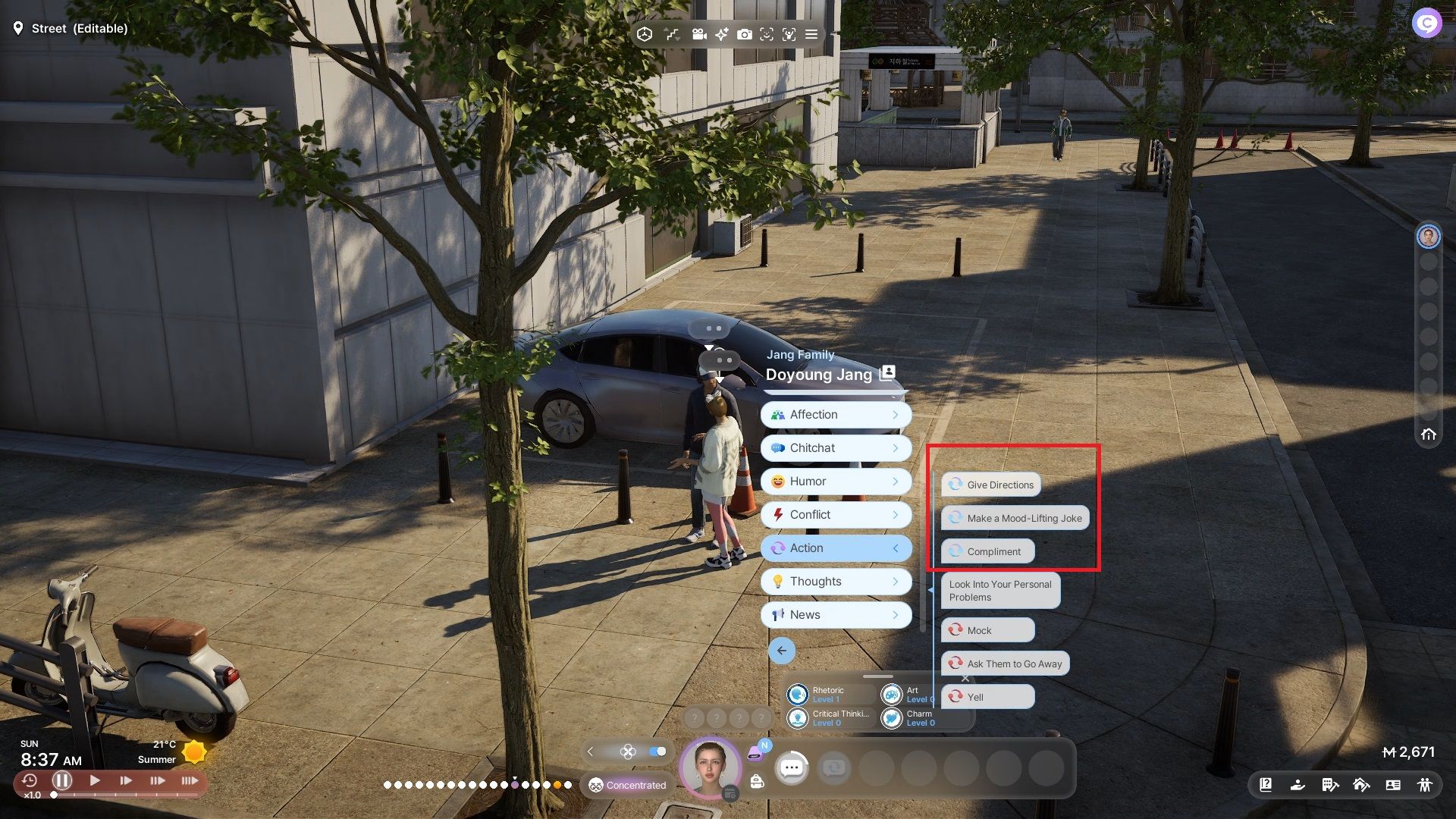
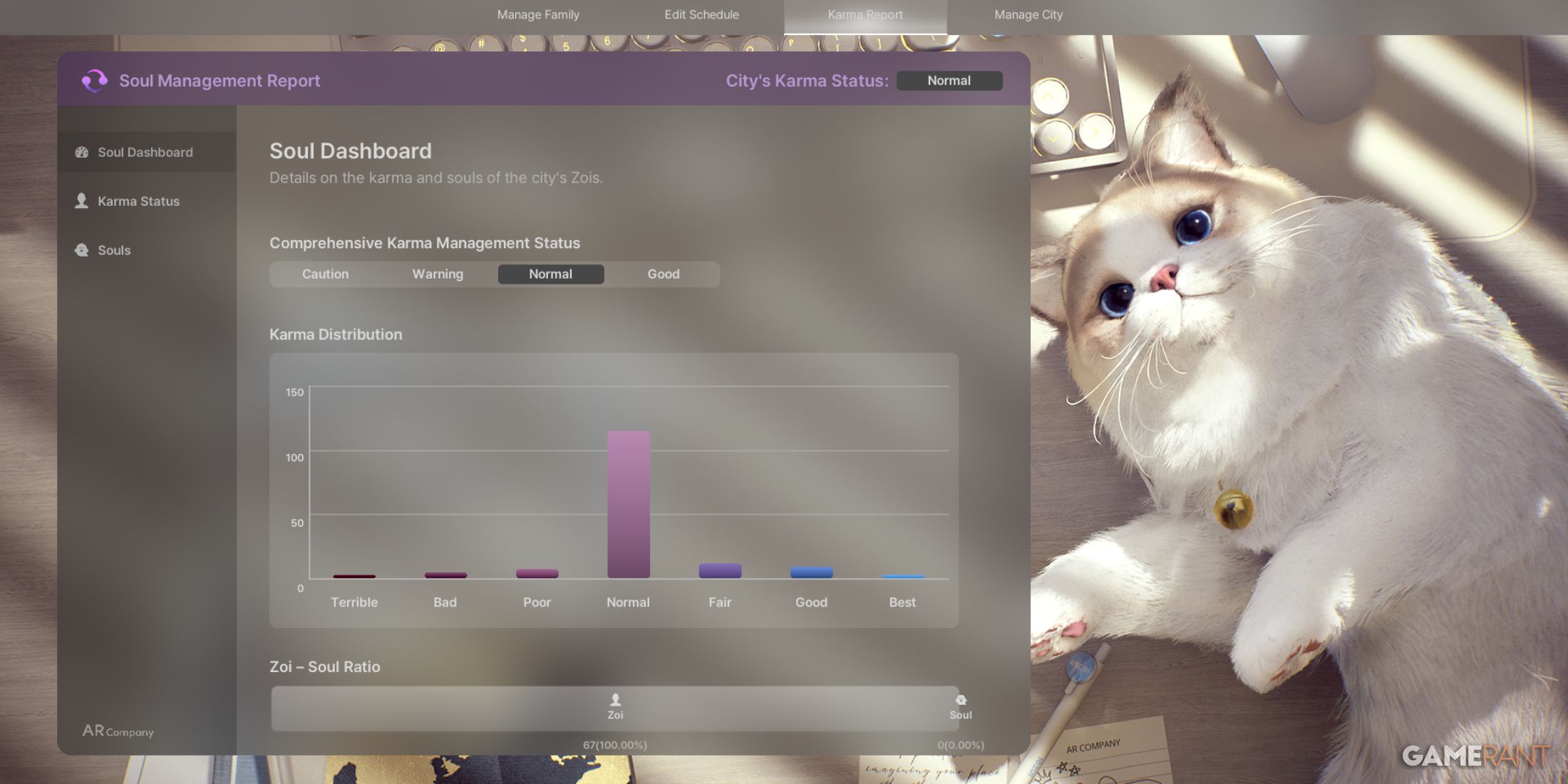
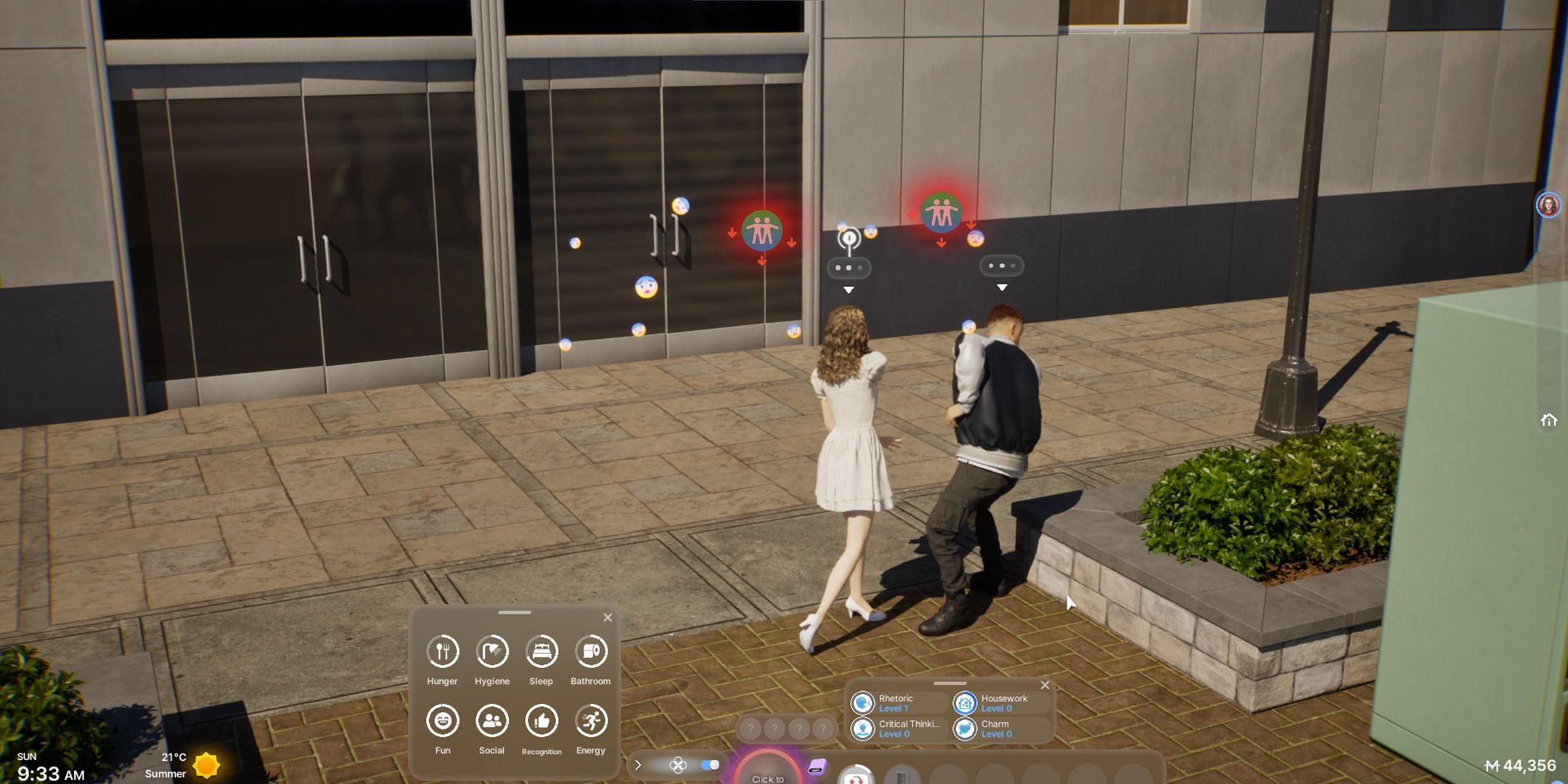
– Karma Tracking: The foundation of the moral compass in InZOI is the Karma system. Positive actions like helping neighbors and contributing to community causes yield Good Karma, while negative actions such as stealing or engaging in fights result in Bad Karma. This mechanism tracks every choice made during missions, ultimately reflecting a player character’s (Zoi’s) moral standing[1][3].
Unlockable Interactions
– Good Karma Opportunities: Attaining high Good Karma unlocks a variety of positive interactions, allowing players to build friendships, participate in community events, and engage in support-driven quests that foster social cohesion[1][3].
– Bad Karma Opportunities: Conversely, accumulating Bad Karma opens up a different narrative branch where players can delve into chaotic storylines, engaging in theft, sabotage, and various antihero roles[1][3].
—
Values and Their Influence
Value Scale
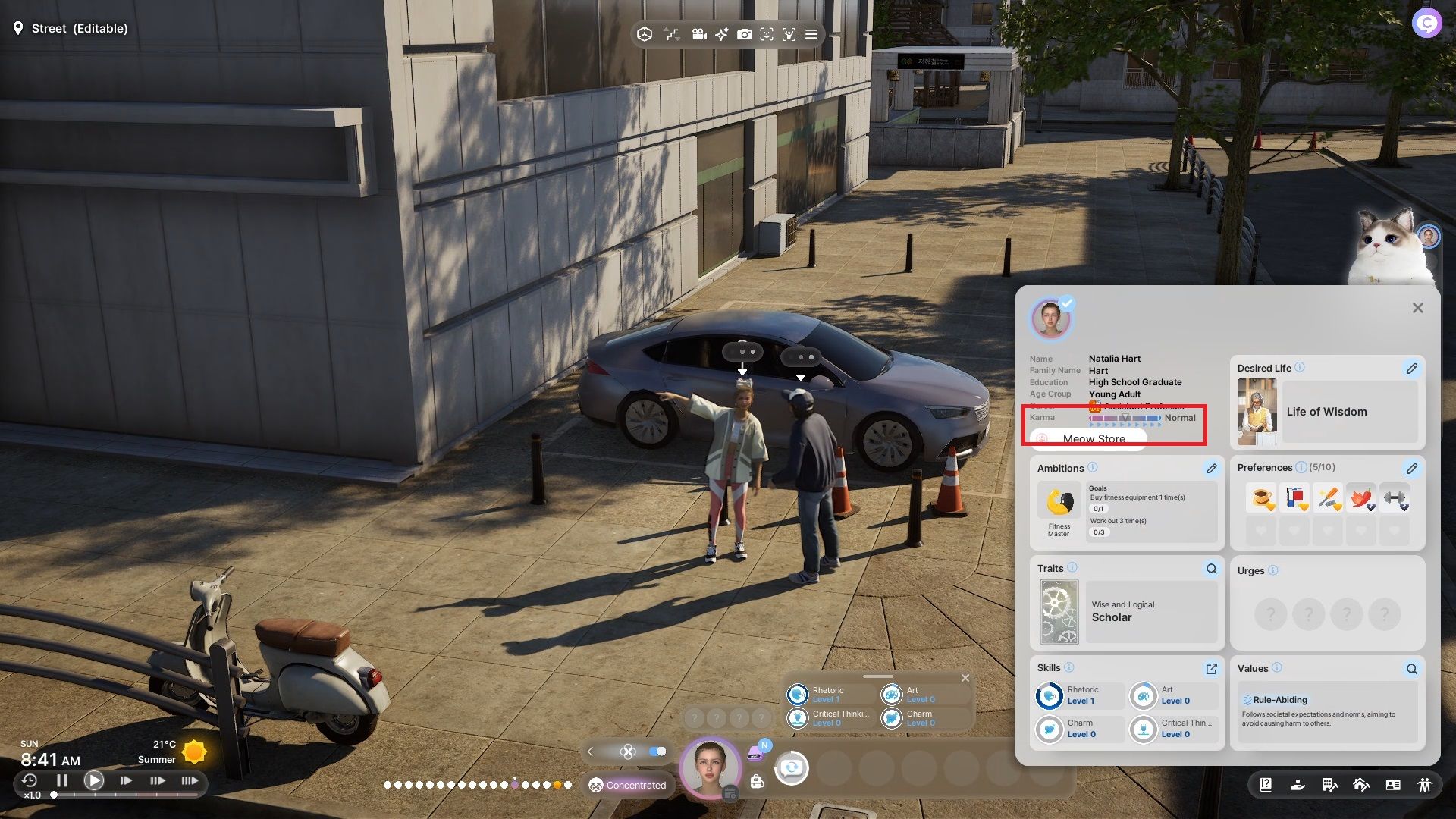
– Value Metrics: Each Zoi has specific Values ranging from 0–100 (such as Family, Ambition, and Creativity), which significantly influence decision-making processes and emotional responses. At 60 or above, these Values dominate the Zoi’s motivations and choices, leading to pronounced desirous inclinations[2][5].
Mission Impact
– Value Alignment: Playing missions aligned with a Zoi’s core Values brings emotional rewards. If a Zoi neglects pivotal Values (like Family) in favor of lesser ones (such as Career), it leads to emotional turmoil and decreased happiness[5].
—
Traits and Desired Life
Traits Definition
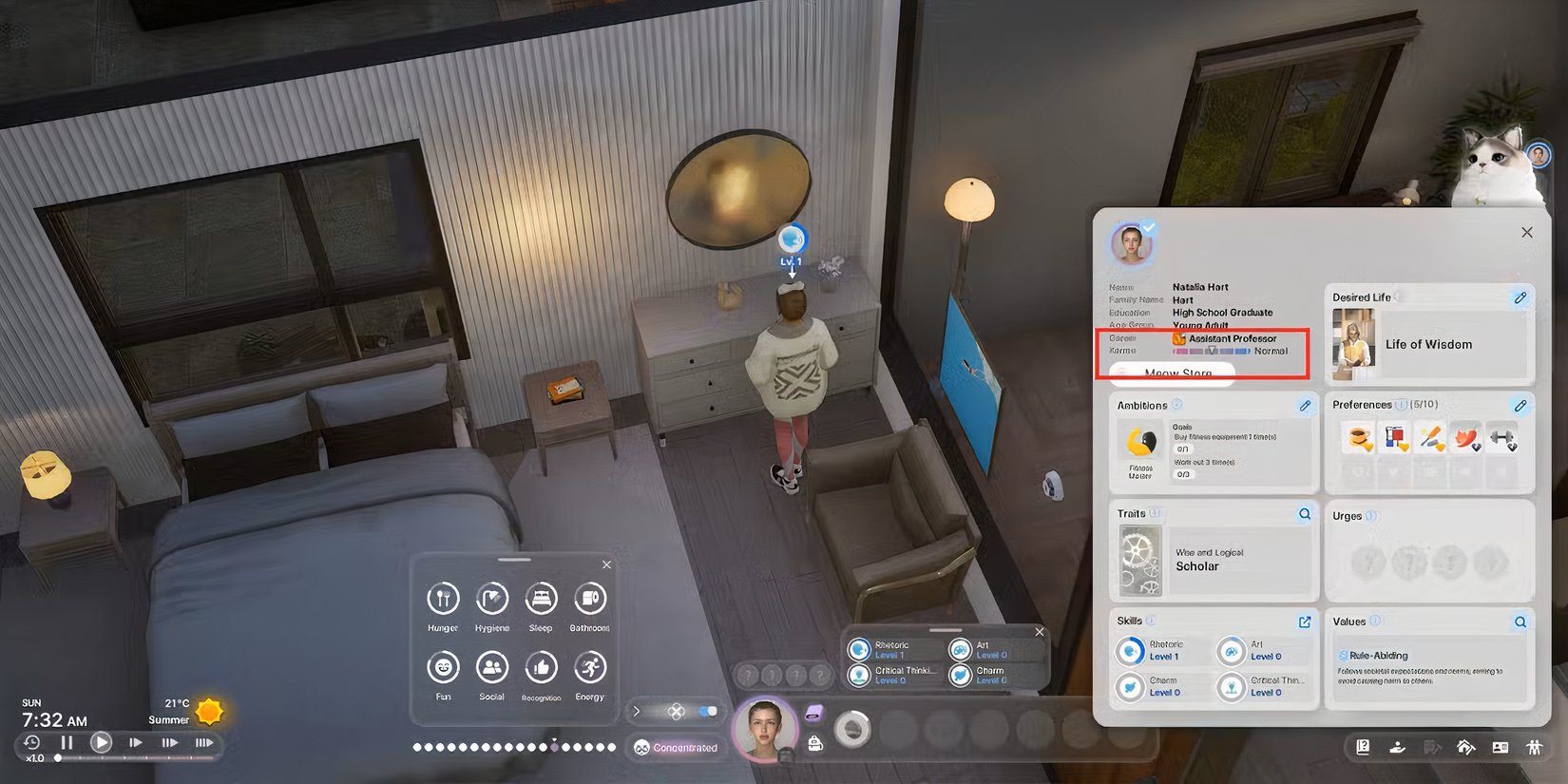
– Character Traits: Traits like Generous, Rebellious, or Ambitious define the intrinsic behavior patterns of Zoi and their proficiency in specific skills. For instance, a Rebellious Zoi may find satisfaction in Bad Karma missions but struggle in tasks necessitating adherence to authority[4][5].
Desired Life Path
– Life Aspirations: Each Zoi has a Defined Life Path (e.g., Career-Focused or Family-Oriented), which establishes long-term aspirations. Undertaking missions that diverge from this path can diminish the Zoi’s happiness levels[5].
—
Managing Consequences
1. Role Alignment
– Strengthen Appropriate Traits: Players should strategically select missions that resonate with their Zoi’s Traits. For example, an Honest Zoi may find it difficult to partake in missions entailing deceit or manipulation[4][5].
– Balance Values: When a mission conflicts with a vital Value, players can adjust outcomes by engaging in activities that satisfy the concerned Value later on, revitalizing emotional stability[5].
2. Karma-Specific Strategies
– Good Karma Strategies:
– Engage in missions that focus on charity, social goodwill, or relationship building to boost Good Karma.
– Utilize friendly social interactions to enhance mood and unlock cooperative quests that align with positive values[1][3].
– Bad Karma Strategies:
– Pursue mischief or confrontational actions to unlock darker narrative arcs and criminal networks.
– Implement temporary mood boosters (like “Vent Anger”) to counteract the negative effects stemming from Bad Karma actions[5].
3. Neutrality Considerations
– Striking a Balance: Maintaining a neutral Karma state gives players flexibility, albeit at the cost of some deep narrative access. Stronger story paths often necessitate committing fully to Good or Bad alignments[3].
—
Advanced Tactics
– Urge Management: Players can manage up to 4 active urges such as “Help Neighbor” or “Skip Work,” leading to the accumulation of Zoi Coins and emotional boosts that can neutralize mission-driven stress[5].
– Utilizing Items: Players should invest in mood-enh balancing items, such as calming decor, to buffer the stress from morally challenging missions[5].
– Hybrid Playthroughs: To maximize narrative exposure, players may alternate between Good and Bad missions. However, they should be prepared for potential social challenges stemming from erratic behavior patterns[3][5].
—
By seamlessly aligning mission choices with the Zoi’s core Traits and desired life aspirations, players can effectively navigate the complex moral landscape of InZOI, thereby enriching their gameplay experience and drawing out the full narrative potential.
Leave a Reply