
Building functional redstone contraptions in Minecraft can be both rewarding and complex. Below is a structured guide that outlines essential components, various contraption types, advanced builds, tips, and common mistakes to avoid, featuring practical examples and expert designs.
Core Redstone Components
To get started with building redstone contraptions, familiarize yourself with these basic requirements:
– Redstone Dust: Connects and transmits signals.
– Repeaters: Delays signals and can amplify signal strength.
– Comparators: Reads and compares signal strength from containers/output.
– Pistons (Regular/Sticky): Push or pull blocks, useful for moving components.
– Levers and Buttons: Serve as manual inputs to trigger circuits.
– Building Blocks: Provide structural support for redstone systems.
For advanced builds, consider using:
– Observers: Detect changes in the block state and output a signal.
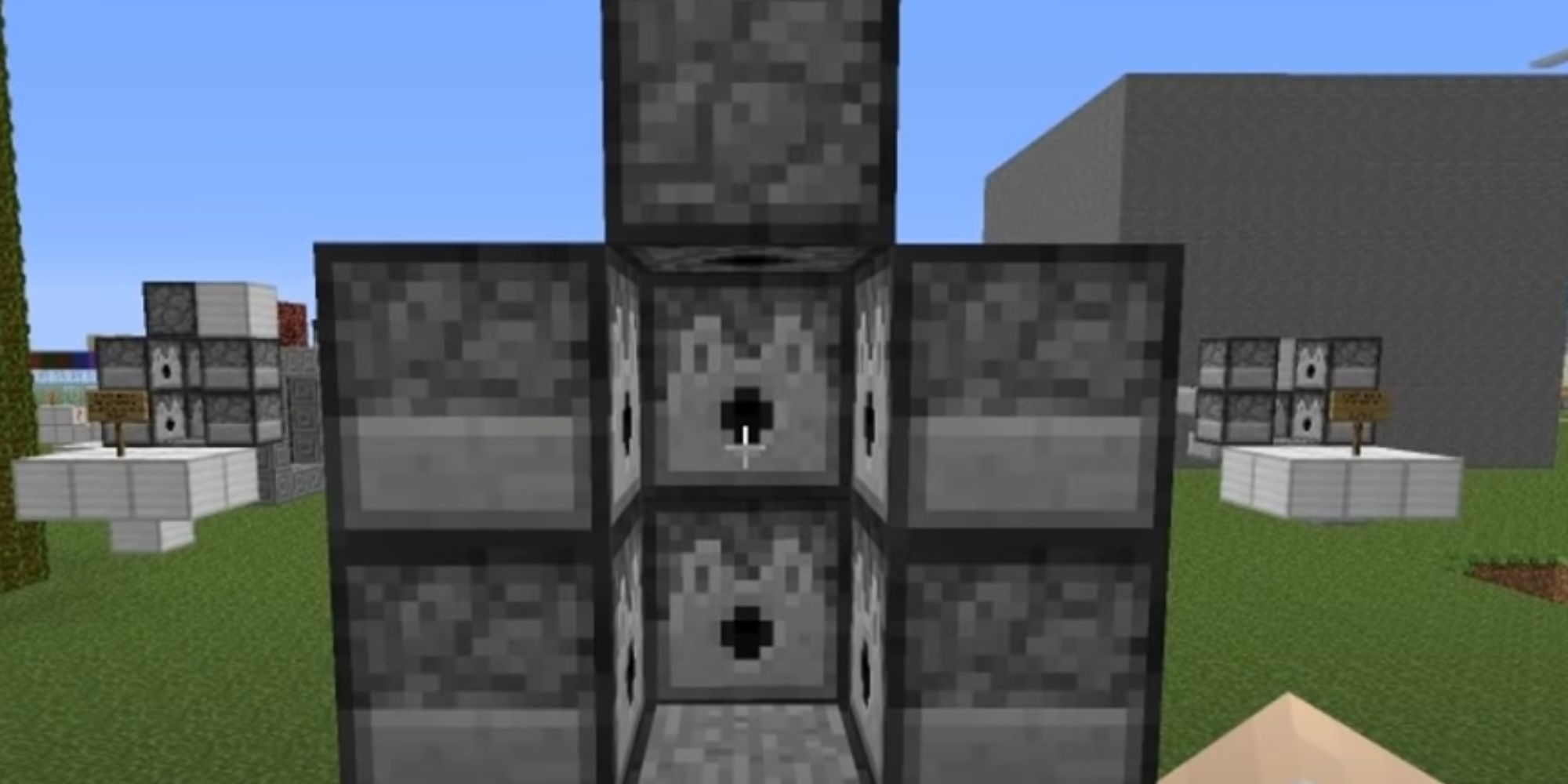
– Droppers/Hoppers: Enable item transport and storage features.
Essential Contraption Types
1. Automatic Item Sorter
Layout:
1. Place a chest and connect it to a hopper.
2. Add a building block behind the hopper.
3. Position a comparator behind the hopper to read the output.
4. Build a 3-block tall tower adjacent to the hopper and place a redstone torch on the second block.
5. Connect a redstone repeater facing into the blockchain from the torch.
Filter Setup:
– Use one named item and four junk items to configure the hopper.
– The comparator’s output strength will dictate the sorting functionality.
2. Bubble Column Elevator
Ascent Mechanism:
– Use a soul sand block at the bottom of a water column to create an upward bubble column.
Descent Mechanism:
– Place a magma block at the bottom of a water column for a downward bubble column.
Switching Mechanism:
– Implement a piston block swapper using a sticky piston and a target block.
– Connect this to a pulse extender circuit for enhanced control.
3. Redstone Clock Circuit
Daylight Sensor Variant:
1. Position a daylight sensor set to night mode.
2. Create a line of five blocks with a redstone repeater at the end.
3. Connect redstone dust in a loop configuration.
4. Optionally, decorate with quartz blocks for aesthetic appeal.
Repeater-Loop Version:
“`redstone
[Repeater 4-tick] → [Redstone Dust] → [Repeater 4-tick] → [Loop]
“`
4. Multi-Button Security System
Detection Logic:
– Place target blocks behind buttons and use comparators to read differences in signal strength.
Output Configuration:
– Connect this system to mechanisms such as a piston door.
– Add redstone lamp indicators to show the system’s status.
Advanced Build: Chiseled Bookshelf Automation
1. Base Setup:
– Position a bookshelf, then a building block, and connect it to a comparator followed by a redstone line.
2. Signal Mapping:
– Configure varying strengths from signal position 1 (strength 1) to position 5 (strength 5).
3. Output Control:
– Connect the system to a piston array, utilizing concrete blocks for signal isolation to prevent interference.
Pro Tips
– Quasi-Connectivity: Utilize the mechanics of piston updates for hidden triggering by placing target blocks close to pistons.
– Component Isolation: Employ glass blocks to prevent signal interference between circuits.
– Update Order: Arrange redstone components in the sequence of power sources → dust → repeaters → output devices for optimal performance.
Common Mistakes to Avoid
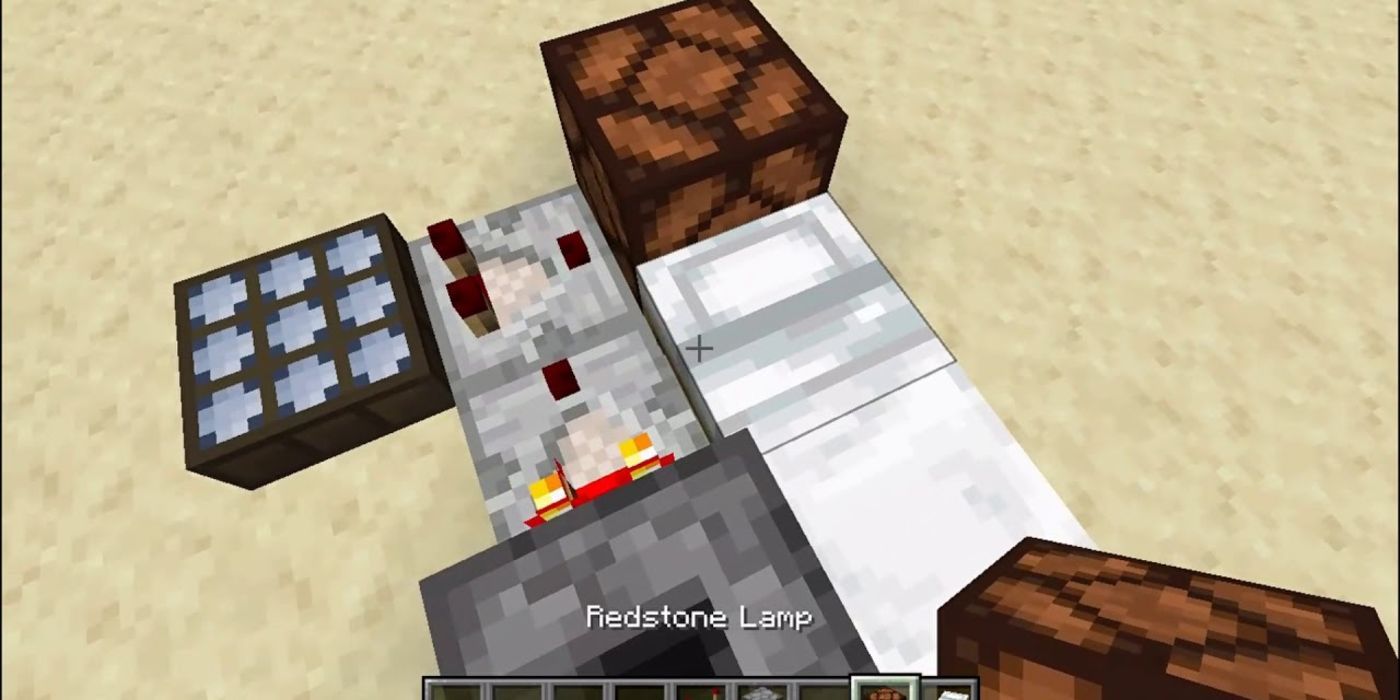
1. Signal Strength Miscalculations: Always test comparator outputs with redstone lamps to visualize signal strength accurately.
2. Hopper Priorities: Confirm hoppers are correctly oriented using the crouch placement method to avoid item transport issues.
3. Repeater Timing: Adjust the tick settings on repeaters to prevent circuit burnout (ideal tick setting for delay is 4 ticks = 0.4 seconds).
Conclusion
For specialized builds like automatic farms or flying machines, combine the mentioned circuits with observers and slime blocks for dynamic and movable contraptions. Begin your redstone journey with small-scale prototypes, gradually escalating to complex systems as your confidence grows in building intricate machinery. Happy crafting!
Leave a Reply