
Preparation Steps for Different Regions and Biomes in Monster Hunter Wilds
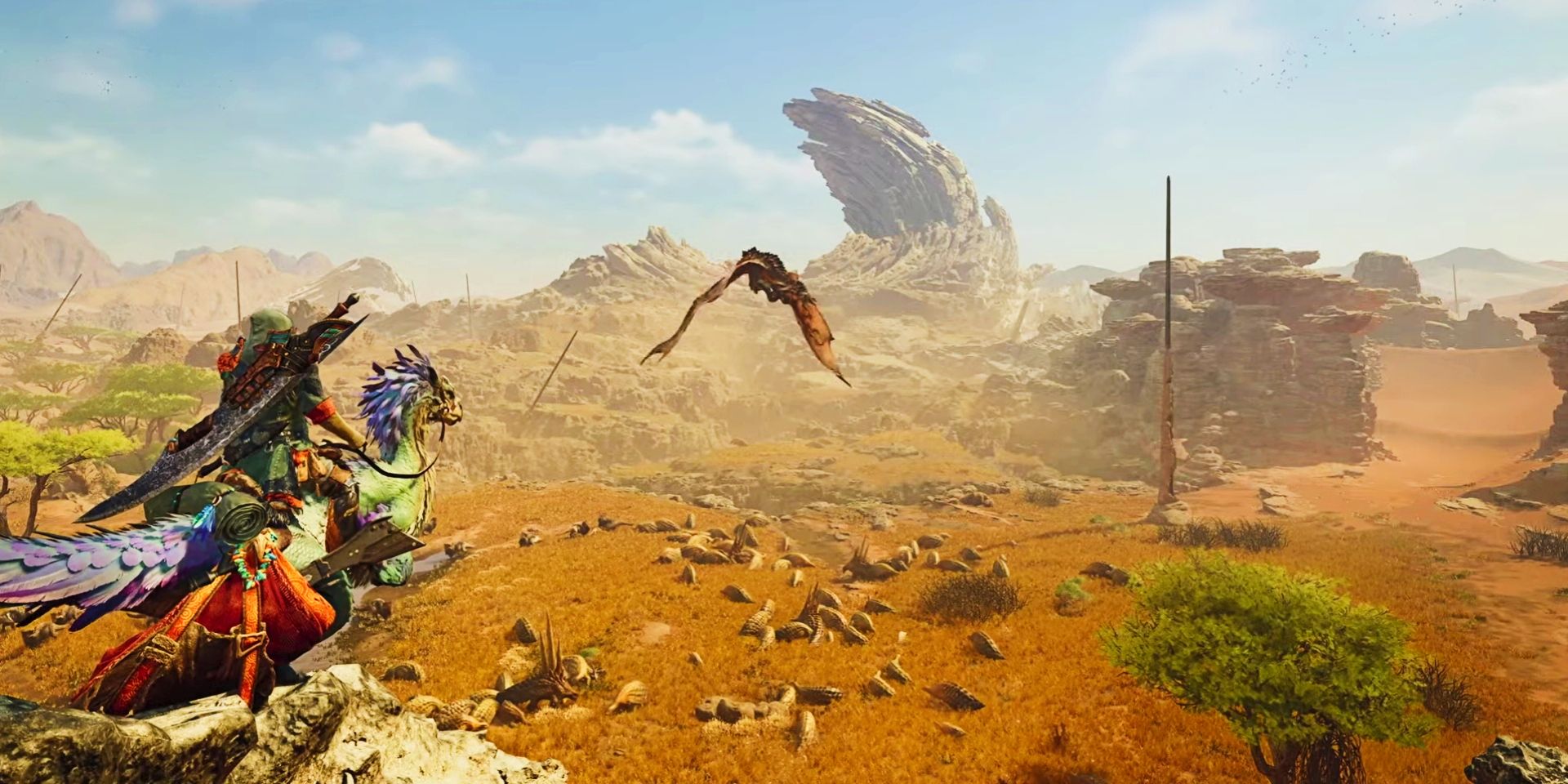
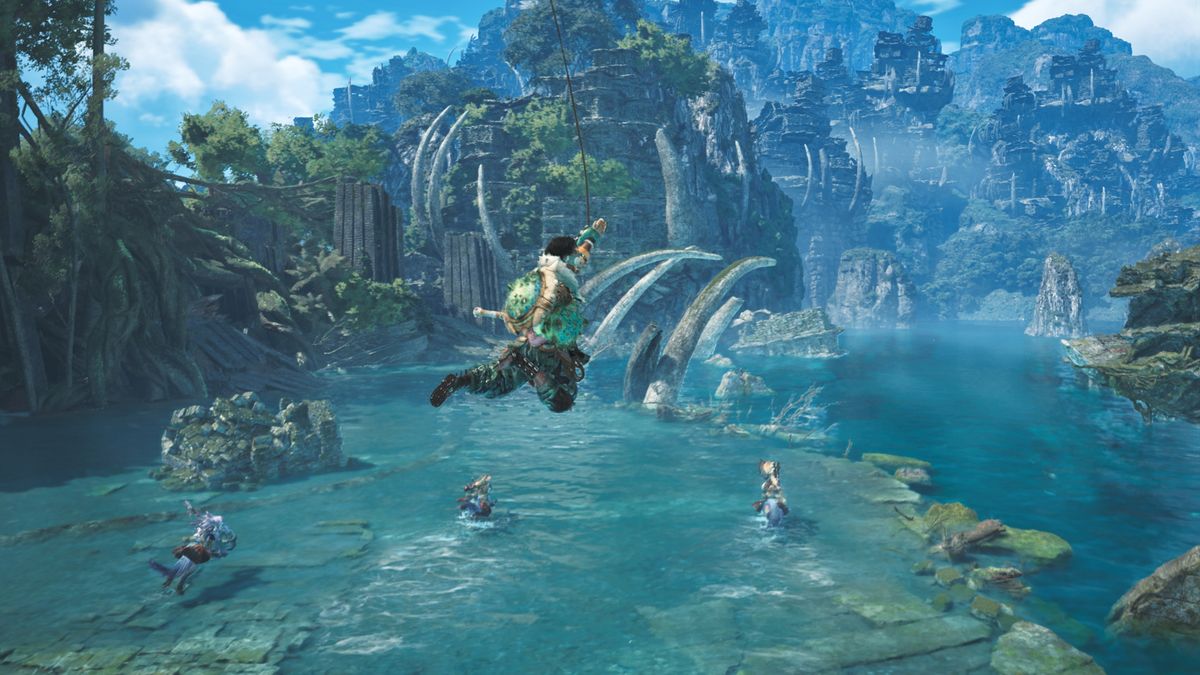
Entering the varied environments of Monster Hunter Wilds requires thorough preparation to ensure success during hunts. Each region presents unique challenges and opportunities influenced by local conditions and monster behavior. Below is a detailed guide to help you prepare effectively.
—
1. Understand the Environment and Biome Characteristics
– Temperature and Terrain: Each region boasts distinct environmental conditions, such as extreme temperatures and varying terrains. For instance, the Oilwell Basin is characterized by frigid temperatures, which necessitates gear that provides cold resistance.
– Elemental Adaptation: Certain monsters may exhibit shifting elemental weaknesses during battles. This means hunters should be prepared to adapt their strategies dynamically, ensuring they are ready for changes mid-fight.
2. Stock Up on Region-Appropriate Items and Consumables
– Status Effect Remedies: Preventative items such as antidotes for poison, energy drinks for stamina recovery, and cleansers against debuffs must be included in your inventory, especially if you are venturing into regions where these effects are prominent.
– Health and Stamina: Bring rations, honey, and other consumables that restore health and stamina to maintain your performance during lengthy engagements with challenging monsters.
– Crafting Materials: Collect necessary resources like Iron Ore and honey during prior hunts to craft essential tools and items tailored to the new biome.
3. Acquire and Use Hunting Tools
– Talk to NPCs: Engage with characters such as Jack or Gemma at base camps to acquire hunting tools essential for your mission.
– Tool Selection: Equip useful items like the Portable BBQ Grill for food preparation, Paint Pods for tracking, and Ghillie Mantle for stealth. Each tool can greatly enhance your efficiency based on the biome’s characteristics.
4. Prepare Your Gear and Equipment According to Monster Weaknesses
– Monster Ecology Study: Researching the monster field guide is crucial. Understanding elemental vulnerabilities can guide your weapon and armor choices. Monsters like Nerscylla necessitate flexible strategies due to their evolving weaknesses during combat.
– Upgrade Gear: Take the time to upgrade your weapons and armor at camp before entering unfamiliar regions to ensure you are adequately equipped for new threats.
5. Use Your Seikret and Mounts for Fast Travel and Support
– Efficient Traversal: Utilize your Seikret for rapid movement across difficult terrains, all while transporting additional gear.
– Strategic Route Planning: Map out your route to leverage base camps and supply points, facilitating quick checks for restocking supplies or healing as needed.
6. Familiarize Yourself with Local Monster Behavior and Group Dynamics
– Observation and Strategy: Certain monsters will exhibit specific behavioral patterns, especially in relation to aggressive interactions with other species. For instance, in the Windward Plains, monitoring the actions of the Bulaqchi in relation to Ceratonoth can inform whether to engage or protect.
– Environmental Tracking: Use the mini-map effectively to gauge monster presence and readiness. This can aid in tactical decisions such as when to capture or avoid certain encounters.
7. Take Advantage of Hunting Techniques and Field Strategies
– Traps and Firepower: Employ traps (shock or pitfall) and bombs as part of your strategy to immobilize monsters, especially if capturing them will yield greater benefits than slaying.
– Resource Management: Consider letting monster carcasses decay to harvest rare materials or strategically retreating from a difficult fight using the map button sequence to return to camp safely.
—
Summary
Before embarking on a hunt in a new region or biome within Monster Hunter Wilds, ensure that you:
– Research environmental hazards and conditions.
– Collect and craft region-specific supplies and consumables.
– Equip appropriate tools and weapons based on local monster ecology.
– Upgrade gear and stock critical items like antidotes and rations.
– Leverage mounts and base camps for logistical efficiency.
– Employ tactical hunting methods and traps that are suited to the specific monsters and terrain.
By following this structured preparation methodology, you will significantly enhance your chances of survival and triumph across the diverse, challenging biomes of Monster Hunter Wilds.


Leave a Reply