
To effectively navigate Cocoon’s Orb Puzzles, it’s essential to approach them with a systematic strategy that emphasizes observation, environmental awareness, and a clear understanding of orb functions. Here’s a structured framework to tackle the puzzles efficiently:
Initial Observation and Analysis
Before diving into puzzle-solving, spend time observing the environment:
– Identify Orb Pedestals: Look for pedestals indicating where specific orbs need to be placed. These visual cues will guide your actions.
– Examine Mechanisms: Check out interactive elements such as pressure plates and projectile receivers. Understanding how these interact with orbs is key to progressing.
– Analyze World Layering: Often, the layout of the environment can provide hints about how different layers relate to each other and may reveal hidden solutions.
Core Puzzle-Solving Workflow
1. Identify Orb Dependencies
– Orange Orb: This orb typically facilitates world traversal, allowing passage through various areas.
– White Orb: Primarily interacts with projectile-based mechanisms, making it crucial for puzzles that involve firing or redirecting projectiles.
– Green Orb: Commonly tied to environmental manipulation, enabling interactions with physical elements in the world.
2. Solve in Reverse
– End-State Requirements: Identify what needs to be accomplished (e.g., opening a gate or activating a bridge).
– Prerequisite Conditions: Track what conditions must be met before achieving the end state. For instance, some mechanisms may require two orbs on pedestals.
– Required Abilities: Note the abilities each orb can provide to fulfill these conditions.
3. Leverage Recursive World-Layering
– Orb Transportation: Transfer orbs between dimensions thoughtfully, as some orbs may be more effective in specific worlds.
– Orb-Swapping: Use strategic swapping at warp pools to maximize orb utilization.
– Awareness of Abilities: Keep track of which orb abilities are available in the current or nested worlds, as this knowledge can unlock new paths.
Advanced Techniques
From community insights, several advanced strategies have emerged:
– Pressure Plate Manipulation: Move slowly ahead of orb-carrying robots or other triggers to ensure precise activation of necessary mechanisms.
– Projectile Routing: Utilize the white orb’s auto-firer in conjunction with the environmental layout to route projectiles effectively.
– Dimensional Stacking: When you feel stuck, consider checking for alternative exits in different dimensions; often, a small oversight can hinder progress.
Debugging Checklist
If you find yourself stalled, refer to this checklist:
1. Utilization of Pedestals: Ensure all accessible orbs have been placed on their respective pedestals.
2. Orb Portability: Double-check that you can still move orbs between your current world layers.
3. Hidden Pathways: Look out for hidden pathways that may be opened by specific orb abilities.
4. World Sequence Appropriateness: Verify the proper sequencing of entering and exiting worlds to avoid unnecessary complications.
Community-Tested Approaches
Incorporate these additional strategies endorsed by players:
– Auditory Feedback: While not foolproof, sound cues may aid in aligning mechanisms.
– Minimum-Interaction Principle: Focus on solutions that require fewer interactions than you might initially consider.
– Orb Conservation: Keep in mind that orbs generally should not be left unattended; continuous management is often required.
Late-Game Strategies (e.g., Crystal Bridge Sequence)
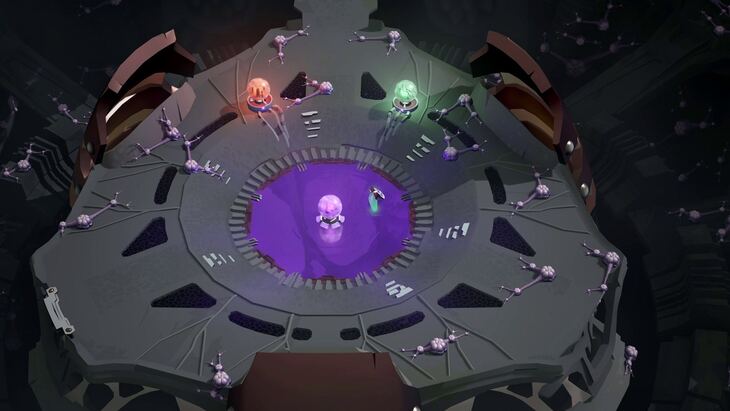
1. Initial Placement: Start by placing the orange orb on the warp pool’s pedestal to set the stage.
2. Extract Nested Orbs: Use recursive exits to methodically retrieve both the white and green orbs.
3. Clear Path Blockers: Utilize the white orb’s projectile abilities to remove any obstacles before making the final placements.
Mindset Adjustment
Adopt a flexible mindset view where orbs act as temporary tools rather than permanent inventory items. The design of the puzzles anticipates frequent repositioning of orbs among the worlds and pedestals. When dealing with black sphere mechanics, focus less on isolated interactions and more on overarching environmental patterns that may hold the key to solving complex challenges.
By following these guidelines and remaining adaptable, you will enhance your ability to navigate and solve Cocoon’s intricate orb puzzles efficiently. Happy puzzling!

Leave a Reply