
In Cocoon, mastering the mechanics of world-hopping and orb manipulation is essential for returning to previous layers without encountering obstacles. Here’s a comprehensive guide to help you navigate this intricate universe effectively:
Understanding World Layers and Orbs
Worlds as Orbs:
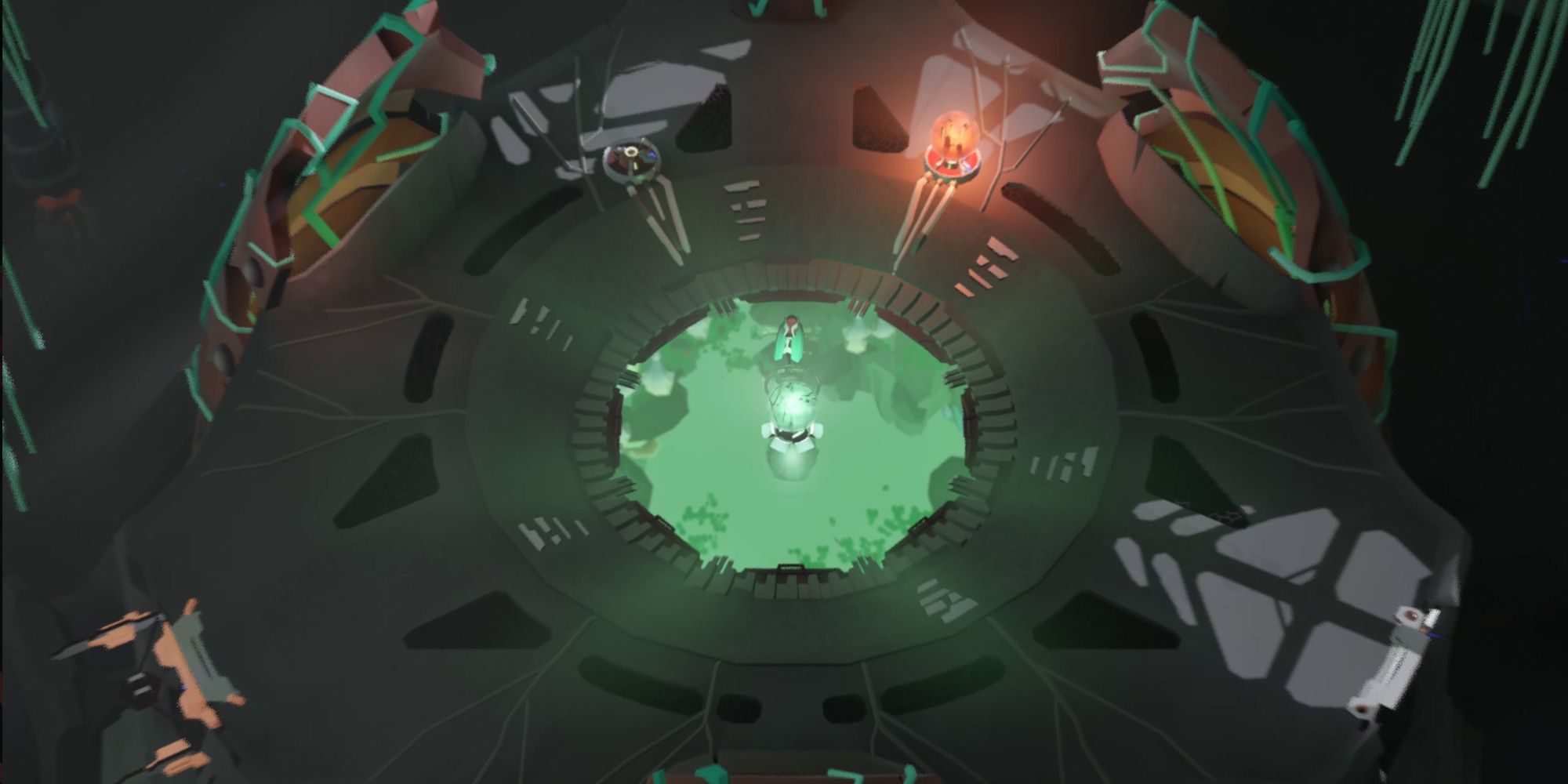
– In Cocoon, each world is encapsulated within orbs, offering access to diverse layers, puzzles, and challenges. Each orb represents a unique reality with its specific gameplay elements.
Layer Navigation:
– Players can switch between various layers by entering and exiting these orbs. Each layer features distinct obstacles, requiring thoughtful engagement to navigate successfully.
Strategies for Returning to Previous Layers
1. Use Orbs Correctly:
– Entering Orbs: To return to a previous layer, identify and interact with the corresponding orb that leads to that specific layer.
– Exiting Orbs: To leave an orb and revert to the last layer, move out of the orb’s range or utilize transition points such as warp pads, if they are present. This ensures a smooth return without inadvertently getting ensnared in the orb’s mechanics.
2. Manage Obstacles with Orbs:
– Carrying and Manipulating Orbs: Utilize orbs to move obstacles in other layers. For instance, if a path is obstructed, carry an orb that possesses the capability to manipulate or remove that obstacle, allowing for progression[4].
– Trapping and Transporting: Occasionally, the solution lies in trapping elements or enemies within orbs to circumvent barriers. Engaging in this approach unlocks alternative paths that may not be readily apparent initially[4].
3. Visual Cues:
– The game includes subtle visual and audio cues indicating optimal moments to transition layers or employ an orb. Stay observant to these cues as they can guide your decision-making process effectively[4].
4. Warp Pads and Transition Points:
– Dash to available warp pads or transition points to facilitate swift movement between layers. These tools can significantly enhance your navigation efficiency and help avoid potential pitfalls[5].
5. Trial and Error with Layer Switching:
– Given Cocoon’s reliance on puzzle-solving through layer switching, embrace trial and error. Frequently switching between layers may unveil solutions that weren’t immediately noticeable, encouraging a more explorative approach[4].
Example Puzzle-Solving Scenario
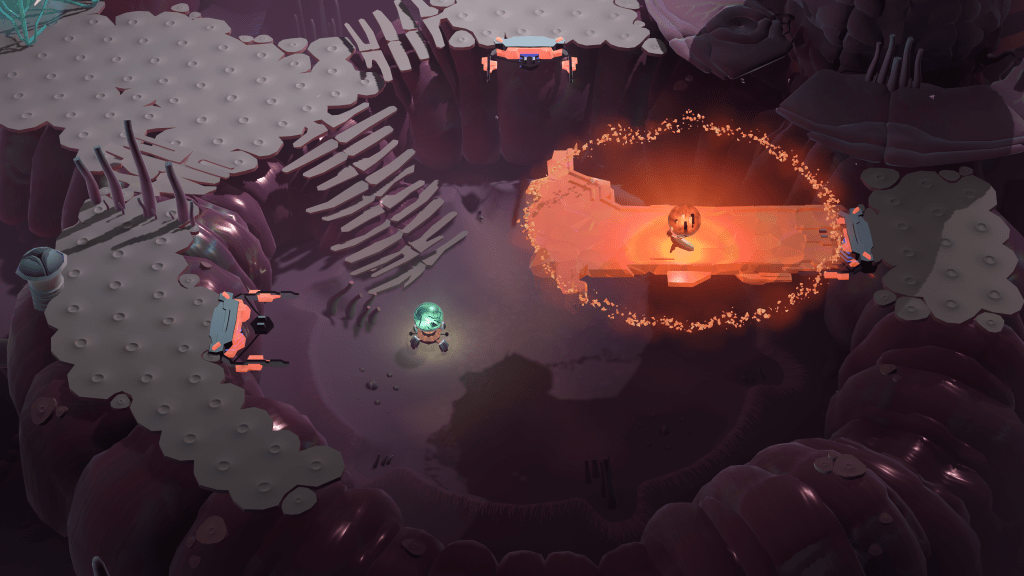
Consider a situation involving a drone trap as detailed on True Achievements:
– Step 1: Enter an orb that leads to a layer where the drone trap does not exist. This opens up an area free from the immediate threat.
– Step 2: Navigate towards the location of the drone trap, understanding the environment with your enhanced perspective.
– Step 3: Use an orb to either trap the drone or create a pathway, allowing you to navigate around the trap when you re-enter the original layer. This strategic manipulation can help overcome obstacles that might have initially hindered your progress[5].
Conclusion
In conclusion, the key to successfully maneuvering through Cocoon’s layered worlds relies on a deep understanding of orb mechanics and active engagement with the game’s environment. By utilizing these strategies, you can explore the richness of Cocoon without fear of becoming stuck, turning complex puzzles into manageable challenges. Always be prepared to think creatively, experiment with different orb uses, and take advantage of the game’s visual cues for a fulfilling and engaging gameplay experience.


Leave a Reply