
In “El Paso, Elsewhere,” health regeneration is intricately connected to consumable items rather than being a passive mechanic, making strategic gameplay decisions crucial for survival. Below is a detailed breakdown of the healing system and its implications on combat and overall strategy.
Healing Mechanics
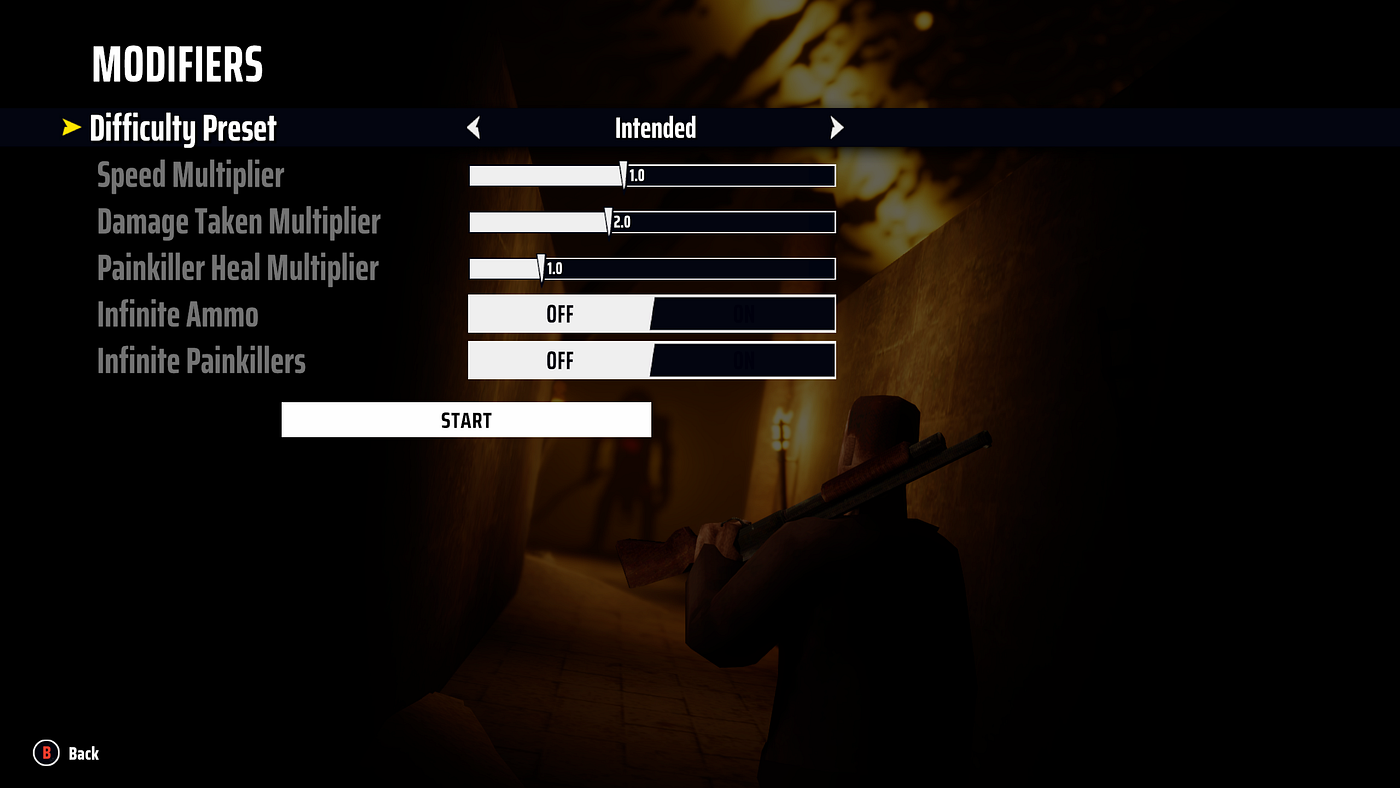
1. Painkillers as Primary Healing Tool: Players primarily rely on painkiller pills which are scattered throughout the game levels. These serve as instant healing items, allowing brief but necessary recovery during conflicts or exploration[^1^].
2. Inventory Management: Players must manually manage their health items, meaning that you need to thoughtfully consider when to use these pills during high-octane moments. Effective inventory management becomes vital, as players must decide whether to heal or engage in combat, adding layers of tension to each encounter[^1^].
3. Checkpoint System: The game utilizes a checkpoint system for saving progress. Upon dying, progression resets to the last checkpoint reached, and health is not restored. This design choice emphasizes the need to maintain health throughout the gameplay, as players must approach each situation with caution and foresight without the safety of manual saves[^1^][^2^].
Combat and Health Strategy
1. Risk-Reward Balance: The level design promotes a balance of risk and aggression. Engaging enemies can yield rewards, but players risk getting caught without health. Deciding whether to attack or retreat to administer healing is a constant dilemma, enhancing the game’s intensity[^1^].
2. Limited Variety in Healing Options: Throughout the game, the approach to healing remains consistent with no significant upgrades or alternative methods available in the late game. This lack of variety can lead to redundancy, as players continuously rely on the same strategy without evolving their gameplay approach[^4^].
Key Takeaways
– No Passive Health Regeneration: Players are required to strategically utilize items for health recovery, with no automatic healing to fall back on.
– Resource Scarcity and Placement: While painkillers are available, their positioning often forces players into dangerous scenarios to obtain them. This scarcity can make health management even more critical, particularly in late-game sections where checkpoints are limited, amplifying the importance of conserving health items during extended engagements[^1^][^2^].
In essence, “El Paso, Elsewhere” demands players to not only engage in strategic combat but also to weigh the risks associated with healing during chaotic encounters, creating a tense and engaging gameplay experience driven by the careful management of limited health resources.



Leave a Reply