
Ranked Matches in Street Fighter 6: A Detailed Overview
Ranked matches are a core component of the online experience in Street Fighter 6, offering players the opportunity to engage in competitive gameplay against opponents of similar skill levels. This guide will explain how to access ranked matches, how matchmaking operates, the rank calculation process, and key factors influencing your rank.
Accessing Ranked Matches
1. Navigating to Ranked Mode:
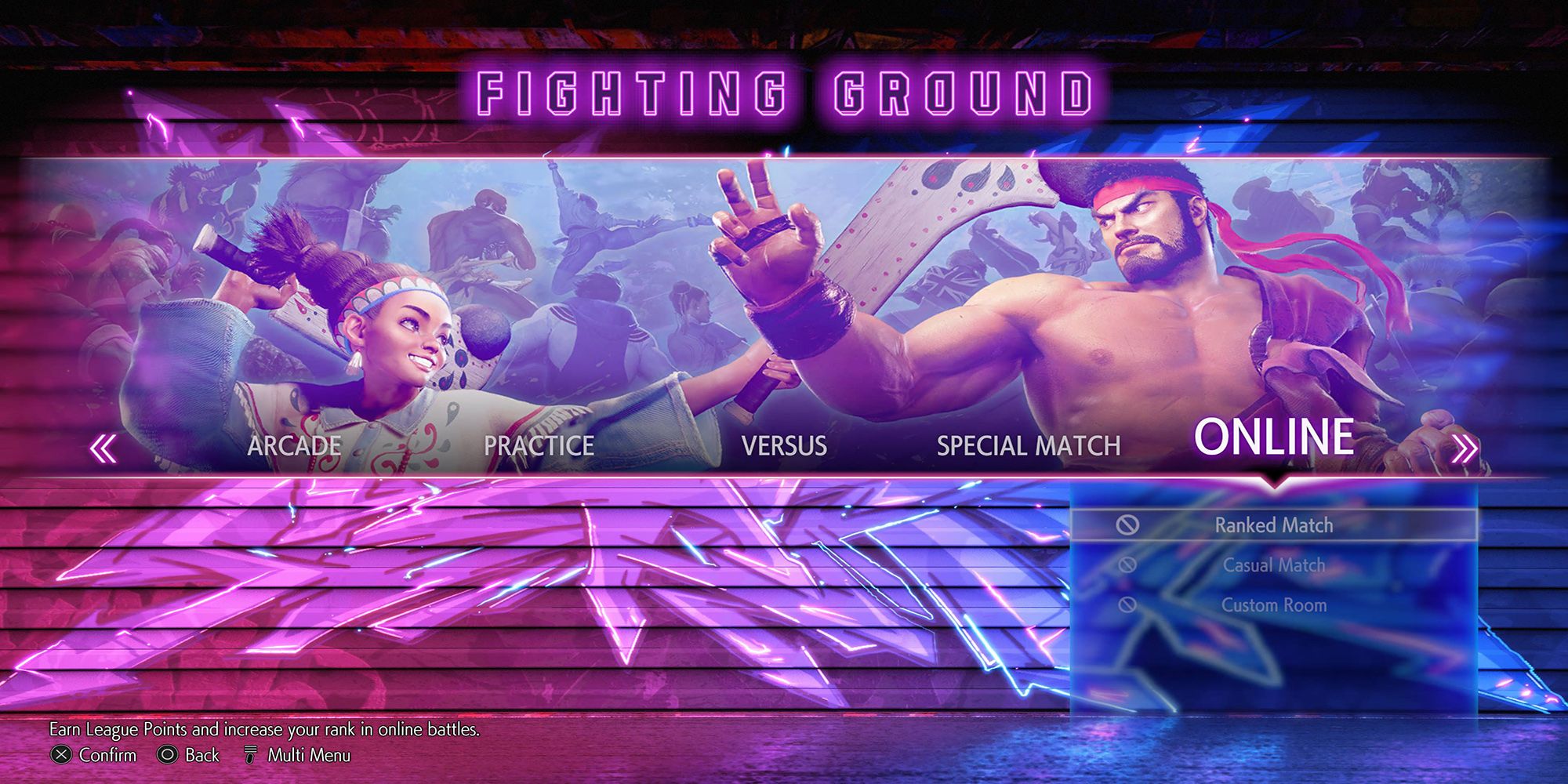
– To participate in ranked matches, players need to access the Fighting Grounds menu. The ranked option can be found on the far right side of the menu interface.
– Upon selecting ranked mode, you will have the option to set your preferred match parameters, such as the type of game settings you want to engage in.
2. Entering the Matchmaking Queue:
– Once you enter the matchmaking queue, you will see a bar at the bottom of the screen indicating your search status. The color of this bar indicates the match type:
– Red for ranked matches
– Orange for casual matches
– A blend of colors if you are open to both types.
– Notably, matchmaking continues even if you decide to practice in training modes; however, if you exit the Fighting Grounds entirely, the matchmaking process will pause.
3. Understanding Match Format:
– Ranked matches will typically follow a best-of-three format. This means that players will compete in a series of rounds where the first to win two rounds wins the match.
– Players are allowed to rematch against the same opponent until the completion of the format. After finishing, you have to exit and search for a new opponent.
Rank Calculation
1. League Points (LP):
– Your rank in Street Fighter 6 is primarily determined by League Points (LP). You earn or lose LP based on your match performance, which can fluctuate significantly depending on victory or defeat.
– Each character you use has its own LP and rank; as a result, you can possess different ranks across various characters.
2. Rank Tiers:
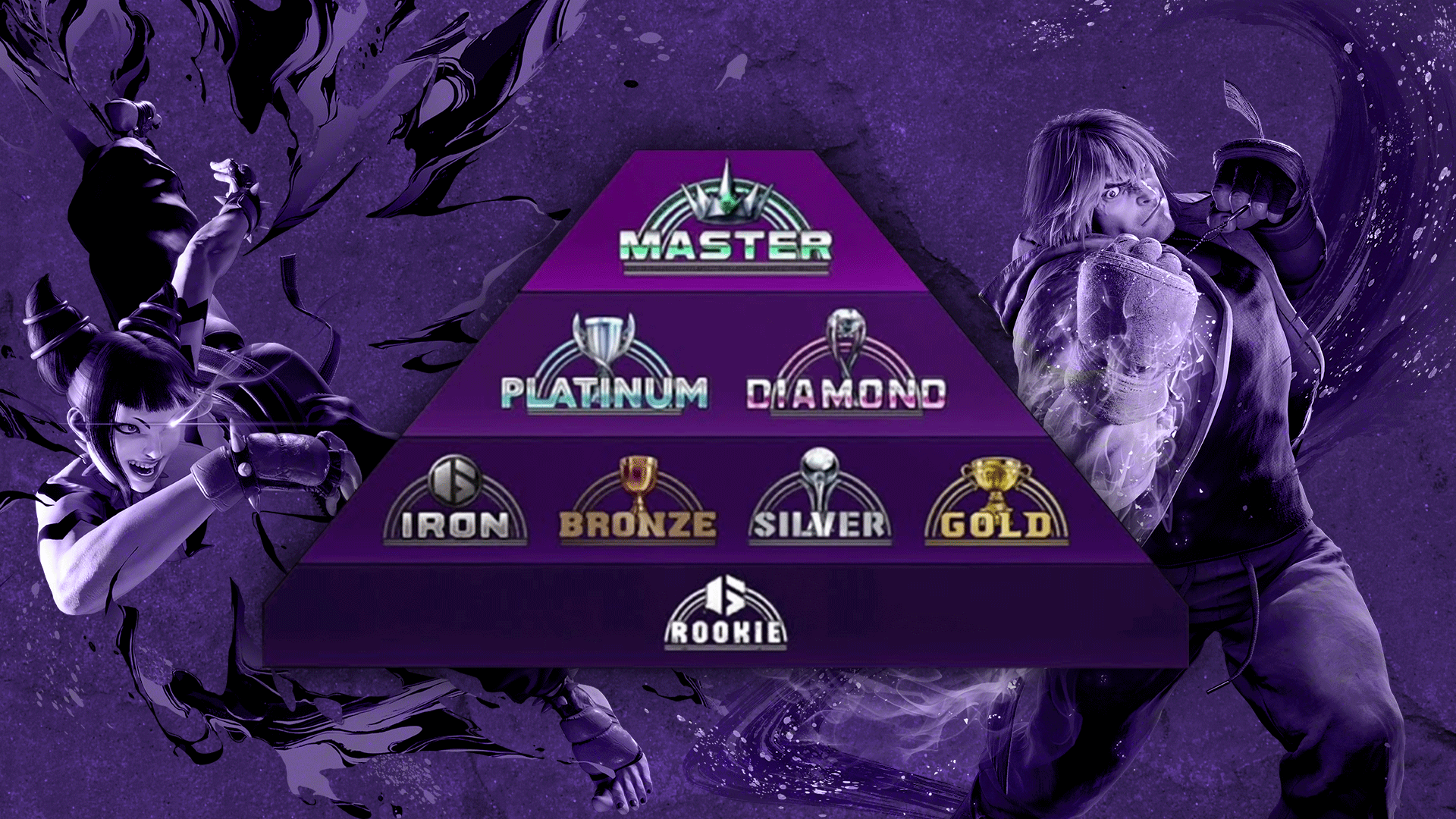
– The ranking system is divided into eight major tiers: Rookie, Iron, Bronze, Silver, Gold, Diamond, Platinum, and Master. Each of these tiers is subdivided into five star levels, which allows for a nuanced ranking structure.
3. Initial Ranking Process:
– To obtain an initial rank, players must complete ten ranked matches using a single character. Performance during these matches will set your starting rank.
– Following these initial matches, your rank can rise or fall based on how well you perform against opponents of similar ranking.
4. Character Rank Influence:
– Although each character has its individual rank, the system takes into account your overall performance with other characters when determining matchups and your initial rank for newly selected characters. Thus, high ranks with other characters can mitigate the starting rank for newcomers.
5. Master League:
– The Master League represents the pinnacle of the ranking system, designated for the most proficient players. Achieving the Master rank opens doors to participate in exclusive Master Phase rewards during ranked matches with high-level characters.
Key Factors Influencing Rank
1. Match Performance:
– Matches outcomes directly influence your LP—winning increases your LP, while losing decreases it. Notably, the LP system is calibrated to be more sensitive at higher ranks, making both progression and regression more impactful.
2. Skill Level of Opponents:
– Players are matched with others of comparable skill levels, creating competitive and challenging matchups. This strategic consideration is vital in determining the speed at which you gain or lose LP.
In conclusion, ranked mode in Street Fighter 6 is intricately designed to foster a competitive environment across all skill levels. With clear parameters for matchmaking and rank progression, players can engage, improve, and earn recognition as they compete against similarly skilled opponents. Whether a newcomer or a seasoned veteran, the ranked system aims to provide a richer fighting experience tailored to individual growth and competition.


Leave a Reply