
In Alan Wake II, the mechanic of switching between the two main characters, Alan Wake and Saga Anderson, serves as a compelling gameplay feature that enhances both the narrative depth and player engagement. Here’s a comprehensive look at how character switching works and its impact on the story.
How to Switch Characters
1. Unlocking Character Switching:
– At the beginning of the game, players will find that the ability to switch between Alan and Saga is restricted. To unlock this feature, you must progress through specific chapters within the game’s storyline:
– Saga’s Early Story: Start by completing the initial parts of Saga’s narrative. This phase includes visiting key locations such as Cauldron Lake and the town of Bright Falls.
– Introduction of Alan: As you move forward, you will reach the “Initiation” chapters that introduce Alan Wake. During these segments, players explore uniquely designed environments, including a Talk Show Studio and dark subway tunnels in a surreal version of New York City.
– Return to Saga: Once you have transitioned back to playing as Saga in Bright Falls, the option to switch between the two characters becomes accessible.
2. Using Break Rooms for Switching:
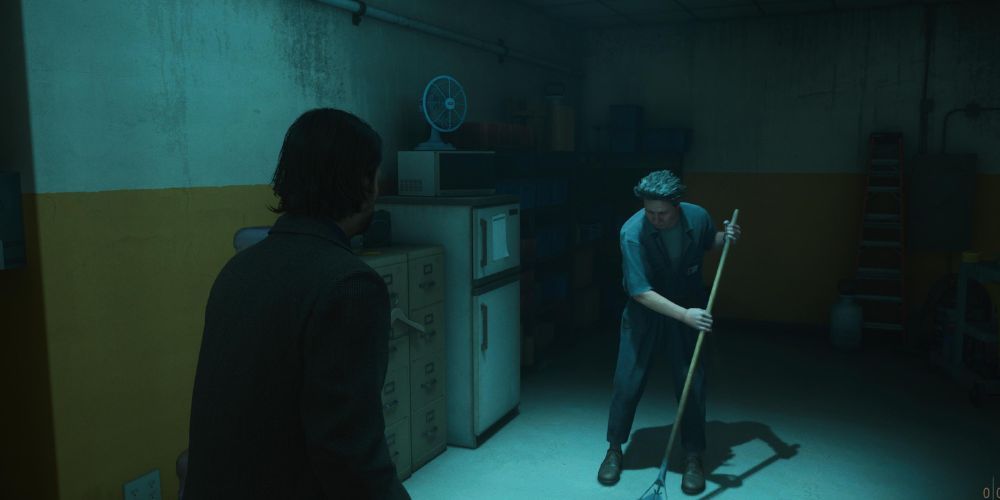
– To facilitate the character switch, players must locate Break Rooms marked on their map. These special rooms are identified by the distinct play of the song “Yötön Yö” on the radio, alongside a Janitor’s Bucket present in the environment. Interacting with this bucket will allow players to switch between Saga and Alan, effectively altering the narrative experience at that given moment.
Impact on the Story
– Dual Perspective: The capability to switch characters provides players with a dual perspective on the unfolding story. Each character’s journey presents unique gameplay mechanics, narratives, and tones, contributing to a richer storytelling experience. This duality deepens the player’s understanding of the overall plot and the characters’ motivations.
– Player Agency: This mechanic empowers players with the choice of either alternating between characters each chapter or committing to one storyline before transitioning to the other. Such flexibility allows players to manage the game’s tension and horror elements according to their preferences, enhancing strategic gameplay.
– No Missed Critical Information: The game is expertly designed to ensure that switching between characters at designated points will not result in the loss of important plot details. Specific moments are crafted to maintain narrative cohesion, allowing players to experience the story seamlessly, irrespective of their switching choices.
Conclusion
Ultimately, the character-switching mechanic in Alan Wake II not only enriches the gameplay but also elevates the narrative structure, providing players with a flexible and unique storytelling experience. By embracing this dual character dynamic, the game successfully engages players on multiple levels, weaving together distinct narratives that complement one another while fostering a deeper investment in the storyline.




Leave a Reply