
Understanding the Fast-Travel System in Cocoon
Cocoon’s fast-travel system is more than just a teleportation feature—it’s a sophisticated mechanic that intertwines world exploration and puzzle-solving, leveraging the unique properties of orbs that encapsulate entire worlds. Let’s delve into the core mechanics, how fast travel functions, and its integration with puzzles in the game.
Core Mechanic
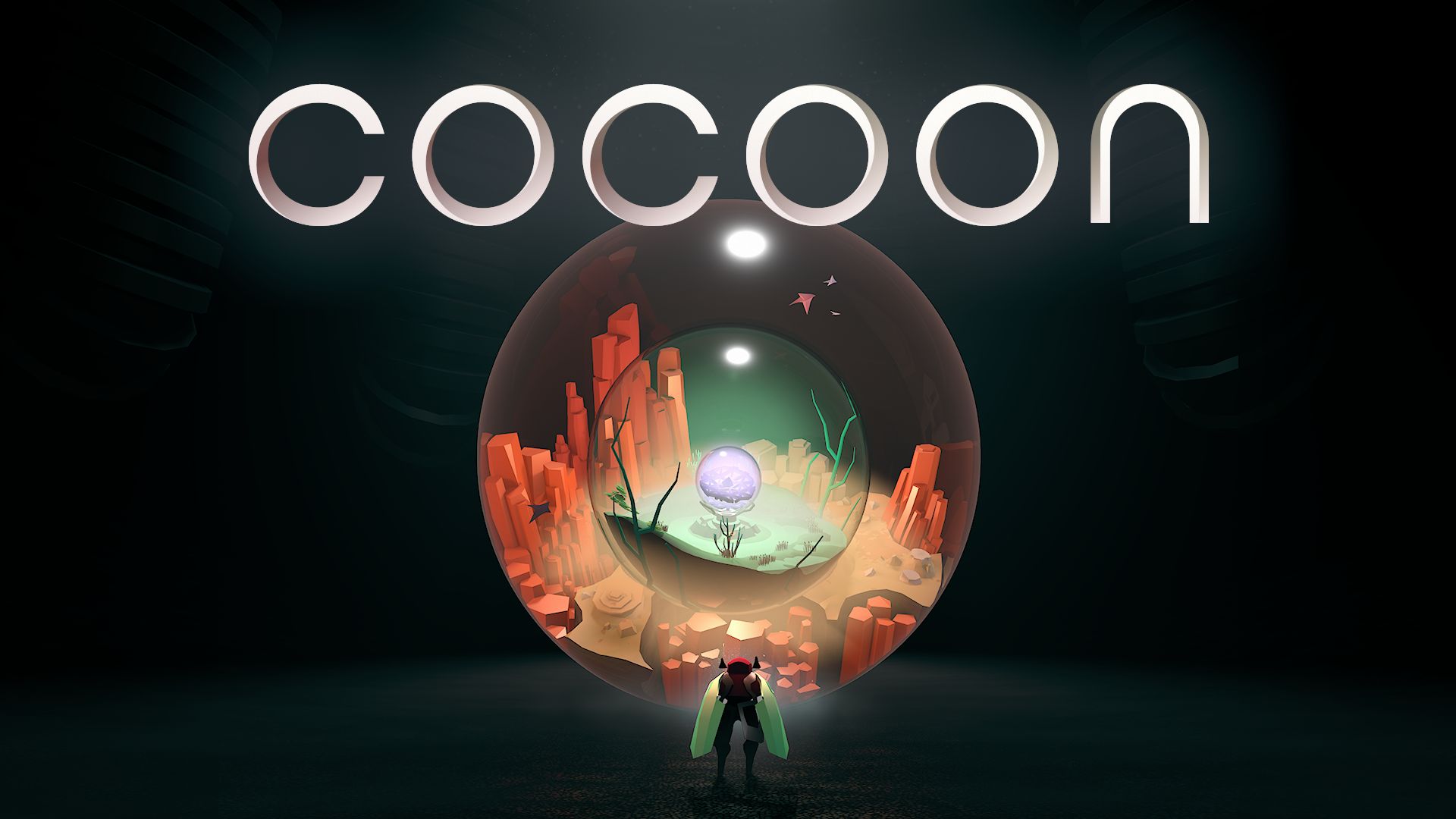
At the heart of Cocoon’s design are colorful orbs, each serving as a gateway to distinct environments filled with challenges. Entering these orbs provides a transcendent experience, allowing players to navigate through layered worlds. The transition into an orb is not merely a portal jump; it’s a transformative experience that elevates gameplay.
Orb Teleporters and Fast-Travel
1. Orb as a Portal: Players interact with platforms surrounding orbs by holding down the interact button, resulting in a visually striking launch into the orb. The screen fills with the orb’s texture before seamlessly dropping players into a new, vibrant world.
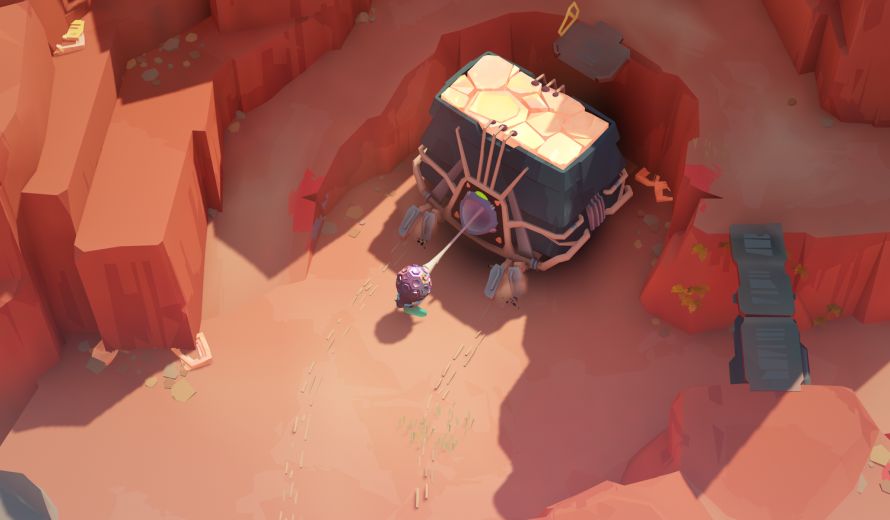
2. Carrying Worlds: A standout feature in Cocoon allows players to carry orbs (entire worlds) between different locations. This introduces dynamic interactions across environments, as players can utilize aspects from one world within another.
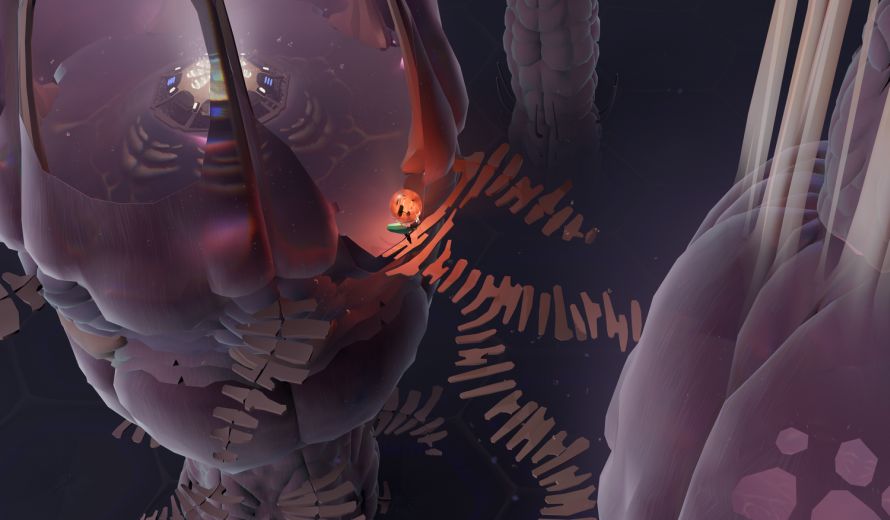
3. Layer Navigation: Entering an orb opens gateways to deeper layers of worlds. Players can uncover and navigate multiple stacked worlds, offering a rich exploratory experience and unlocking various gameplay possibilities.
Puzzle Integration
The fast-travel system plays a crucial role in solving complex puzzles scattered throughout Cocoon. Typical puzzle interactions involve:
– Collecting Items: Players may need to acquire specific items in one world.
– World Hopping: Teleporting via the orb to another world to utilize those items effectively.
– Event Triggering: Players might need to activate mechanisms or complete tasks in the new world before returning, often carrying the orb along the way.
– Manipulating Orbs: Some puzzles necessitate placing orbs on pedestals or moving them to activate switches, often involving cross-world item interactions.
Example of a Puzzle Sequence
A standard puzzle sequence could unfold as follows:
1. Collecting a drone in the original area.
2. Teleporting to a new world via an orb.
3. Using the drone in a trap within that new world.
4. Returning to the original world afterward.
5. Transporting the orb past an obstacle in the initial area.
6. Placing the orb onto a pedestal to trigger an event.
7. Wielding the orb again to restore the drone and bring it back to the original area.
Visuals and Immersion
The animations for the orb teleportation enhance the immersive experience, making transitions feel fluid and exciting. The visual effects are designed to engage players deeply, contributing to the overall atmosphere and narrative of Cocoon, reminiscent of advanced portal mechanics found in other innovative games.
Summary Table: Key Features of Orb Fast-Travel
| Feature | Description |
|———————–|—————————————————————————–|
| Teleportation | Use orbs for instant movement between uniquely crafted worlds. |
| World within World| Each orb encapsulates a unique world, enhancing exploration and interaction. |
| Puzzle Mechanics | Critical for solving multi-layered puzzles that require cross-world logic. |
| Visual Effects | Engaging animations for orb transitions that heighten gameplay immersion. |
| Layer Navigation | Explore interconnected worlds, opening new avenues for discovery and play. |
Conclusion
Cocoon’s fast-travel system serves as a foundational element of gameplay, elegantly merging seamless exploration with intricate puzzle-solving. The innovative use of orbs as carriers of worlds fosters a multi-dimensional experience, allowing players to navigate and manipulate environments in a way that is both engaging and intellectually stimulating. This deeply layered system enhances player engagement and promotes a lively interaction with the game’s vibrant universe.

Leave a Reply