
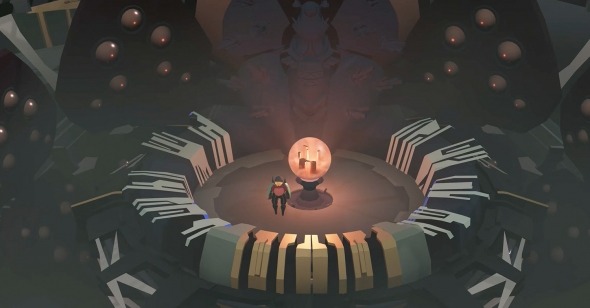
In Cocoon, each orb acquired by the player bestows a distinct ability that fundamentally reshapes the mechanics of puzzle-solving within the game’s intricately designed environments. The interconnected nature of these abilities, especially within the context of the game’s “worlds within worlds” concept, allows for a rich and layered puzzle experience. Below is a detailed overview of the orbs, their powers, and their implications for puzzle design.
Orb Powers and Their Effects
1. Orange Orb:
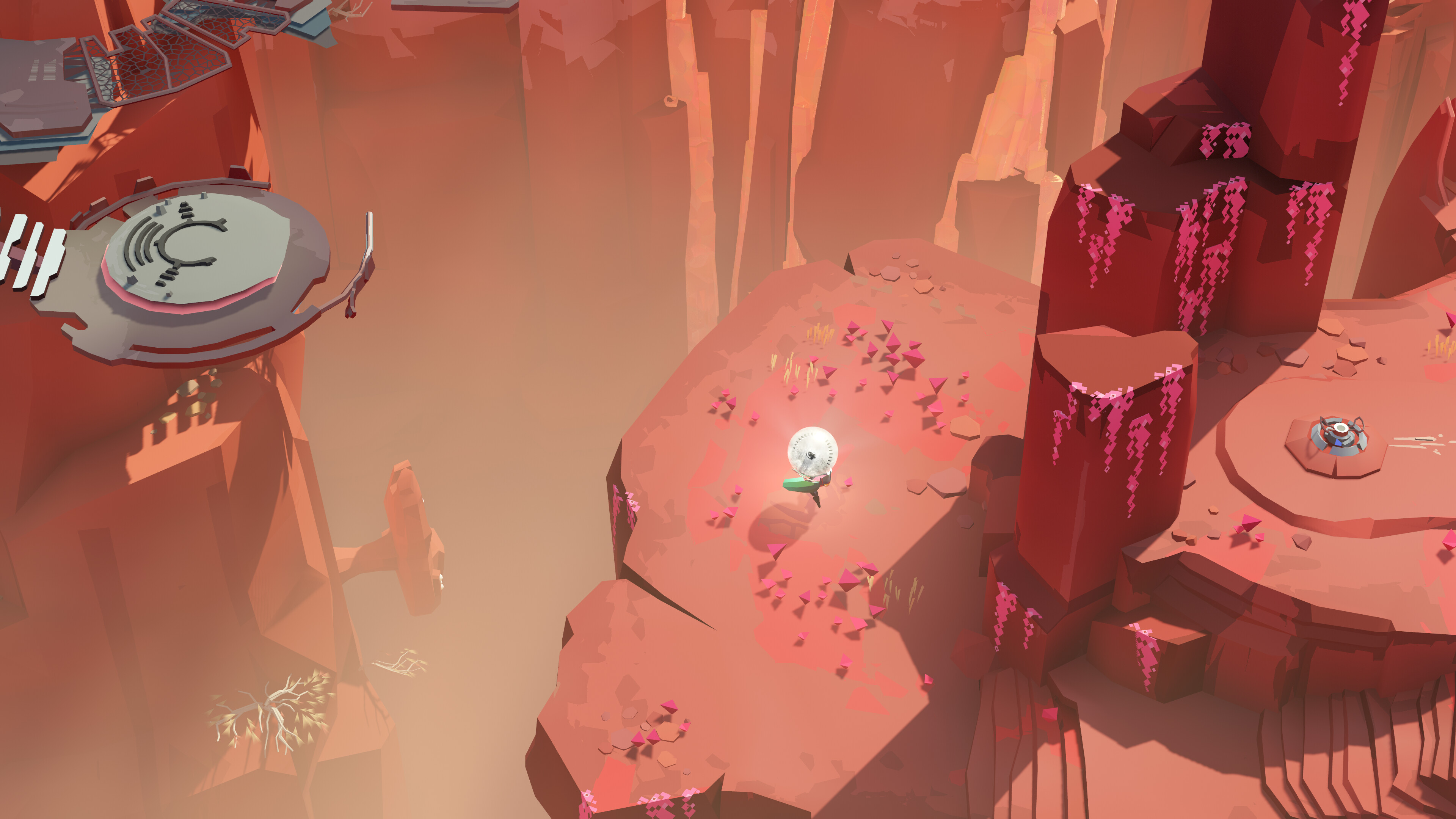
– Ability: Reveals new paths within a specific radius. This ability allows players to walk across previously inaccessible areas, such as air bridges.
– Impact: The introduction of walkable paths effectively expands the player’s navigational options and enables exploration of new, otherwise unreachable locales, which is crucial in solving environmental puzzles.
2. Green Orb:
– Ability: Converts certain platforms from an intangible state to solid, making them traversable.
– Impact: This manipulation of platform states introduces an element of spatial strategy, essential for navigating challenging puzzles that require careful planning in platforming and movement.
3. Replication Orb:
– Ability: Players can duplicate this orb by interacting with specific orb-like plants in the environment.
– Impact: The replication mechanic enhances puzzle complexity, enabling players to create multiple instances of abilities, which can be crucial for accessing disparate areas or simultaneously utilizing multiple powers to solve puzzles.
Interactions and Nesting Mechanics
– The concept of nesting orbs is akin to a cosmic Matryoshka doll, where orbs can be placed within each other. This arrangement significantly impacts puzzle dynamics, as players must strategically decide which orb to use and in what order. The limitation that you cannot hold an orb while inside it adds a layer of strategic depth—navigating which abilities are accessible at any given time becomes a critical aspect of problem-solving.
– Certain puzzles necessitate using the abilities of one orb while within the environment of another. This requirement leads to clever strategic placements of orbs, as players must carefully consider the hierarchy of their nested orbs to progress.
– A particularly innovative late-game puzzle leverages the concept of paradoxical loops by carrying an orb inside itself. This highlights the mind-bending nature of the game’s mechanics, where traditional logic is subverted for creative solutions.
– The positional dynamics of orbs are crucial, as the upper orb in a nesting situation typically allows access to more powers, except for the ability of the orb currently being occupied. This creates a spatial and logical complexity that challenges players to think carefully about their choices and the order in which they engage with the orbs.
Additional Elements Enhanced by Orbs
– Beyond solving puzzles, orbs also activate mechanisms such as moving platforms and lifts. They engage with various contraptions and even NPCs that assist players on their journey, imbuing the game world with a sense of life and interconnectedness.
Conclusion
In conclusion, Cocoon utilizes orbs not merely as tools but as transformative elements that redefine the player’s interaction with the environment and puzzle mechanics. Each orb’s unique abilities contribute to an elaborate, intricate system of nested puzzles where strategy and creativity are paramount. The thoughtful integration of orb mechanics ensures that every player’s journey is a compelling blend of exploration, problem-solving, and immersion in a beautifully crafted world.



Leave a Reply