
The loot system in Diablo IV has been meticulously crafted to enhance player engagement and provide a personalized experience. Below is a comprehensive overview of its various components and functionalities:
Independent Drop System
– Individualized Loot: Players are assured that their loot drops are completely independent of those of others, whether they’re adventuring alone or in a party. This means that each player has the opportunity to receive loot tailored just for them, avoiding the frustrations typical of shared loot systems.
– Accessibility to Loot: Even when players are not actively participating in combat—such as standing at the entrance of a dungeon while their teammates engage in a fight—they still have the possibility of receiving drops. This feature encourages players to stay engaged with the game, as they do not miss out on potential rewards.
Smart Drop System
– Class-Specific Loot: With 85% of the loot tailored to the player’s class, the smart drop system enhances specific interactions with the gameplay. For instance, Barbarians are more likely to find weapons such as hammers or axes compared to classes that favor ranged attacks, like the Sorceress who might find staves or wands.
– Class-Neutral Items: Although some equipment pieces, especially armor and jewelry, are class-neutral, they are improved by rolling attributes that synergize with the player’s primary skills, further reinforcing the smart drop philosophy.
Item Rarities and Trading
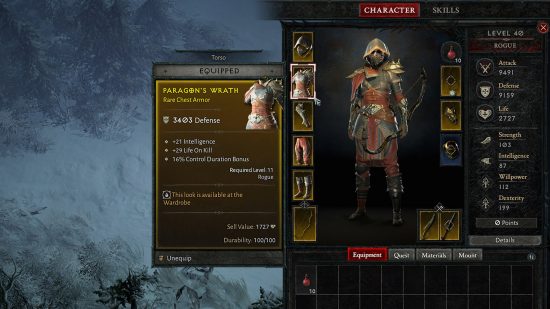
– Rarity Levels: Items within Diablo IV are categorized into various rarity levels: normal (without magical properties), magic, rare, legendary, and unique. Each level comes with increased power and unique features.
– Legendary and Unique Items: These prestigious items stand out due to their distinct names, special abilities, and visuals. Importantly, legendary items are less frequently found compared to previous entries in the series, and trading is limited among these items, which adds an element of exclusivity to the loot experience.
Upgrading and Aspects
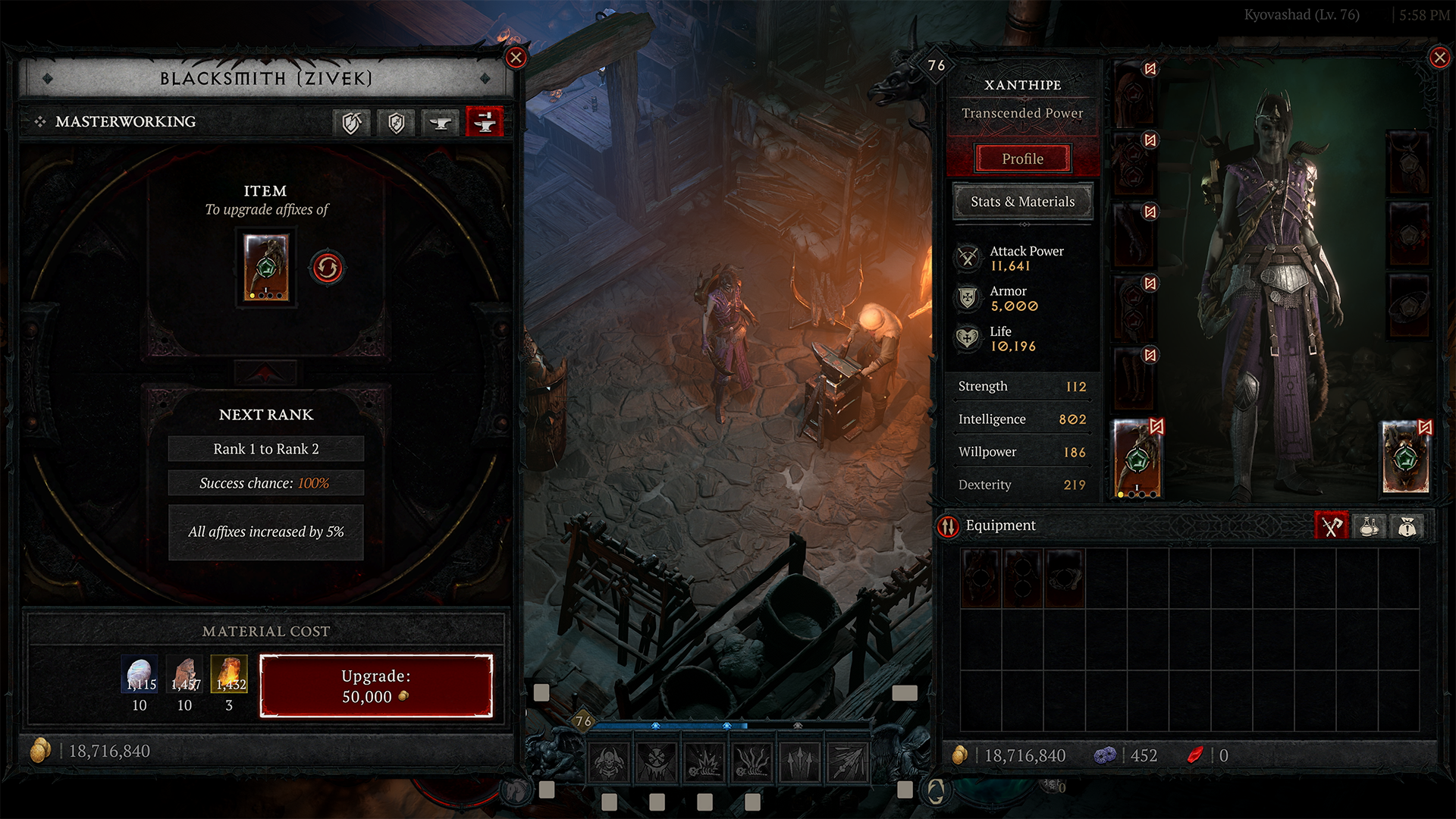
– Aspects and Upgrades: At the blacksmith, players can enhance their items, retaining certain properties even after extraction. This adds a layer of complexity and strategy to managing loot, as players can continually improve their equipment.
Sacred and Ancestral Items
Sacred Items
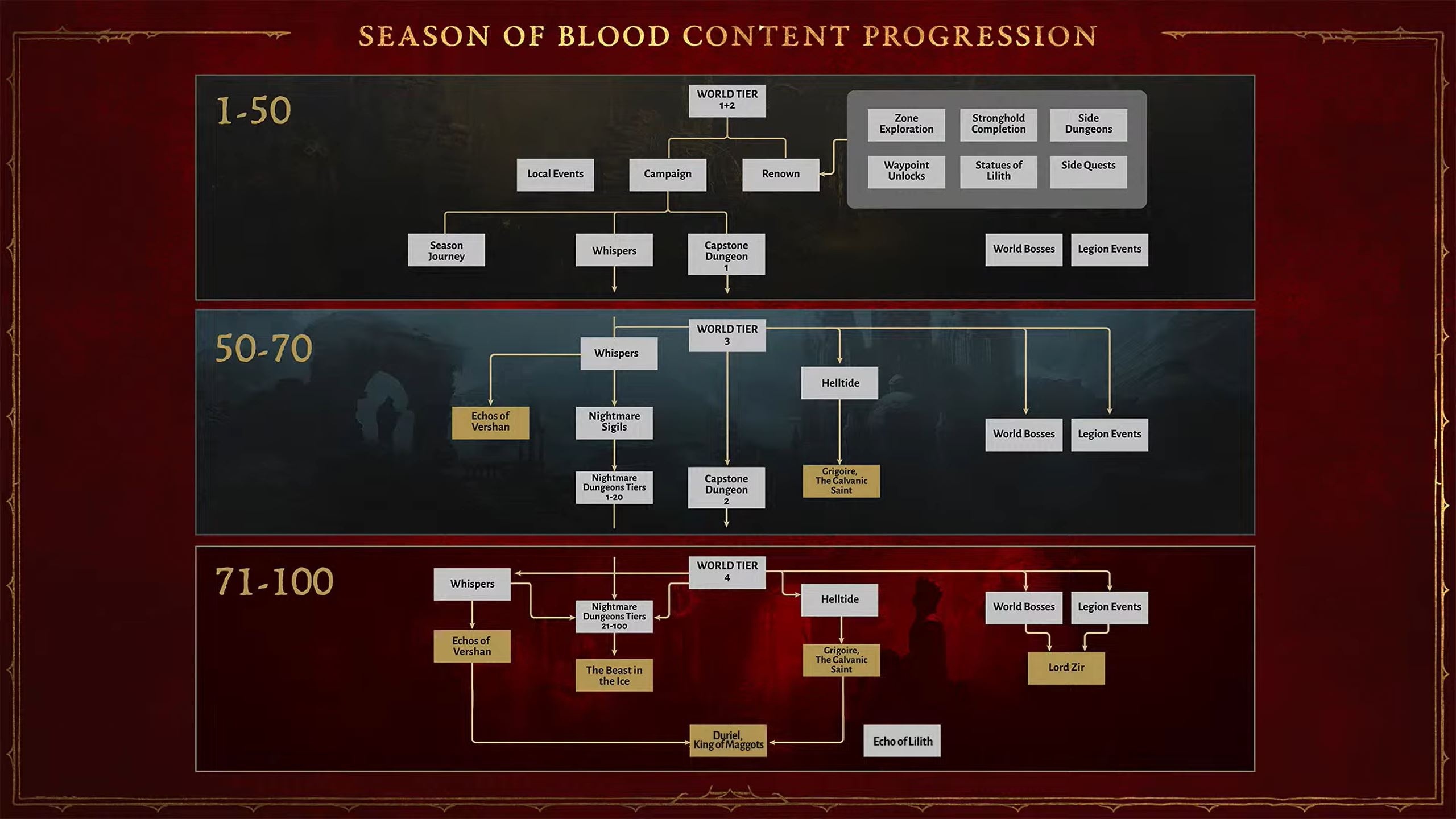
– Drop Conditions: These items are introduced at World Tier 3 and are renowned for their superior stats compared to standard gear. While not as powerful as Ancestral items, they play a vital role in character development during mid-to-high-level gameplay.
– Functionality: Sacred items enhance attributes that cater to advanced gameplay mechanics and strategies.
Ancestral Items
– Drop Conditions: Found only in World Tier 4, the top difficulty setting, Ancestral items are the most powerful and rarest loot available in Diablo IV.
– Functionality: With an extensive range of stats, they are indispensable for crafting optimal builds and maximizing a player’s character potential, ensuring that high-level endeavors are supported by the best gear.
Recent Changes to Loot
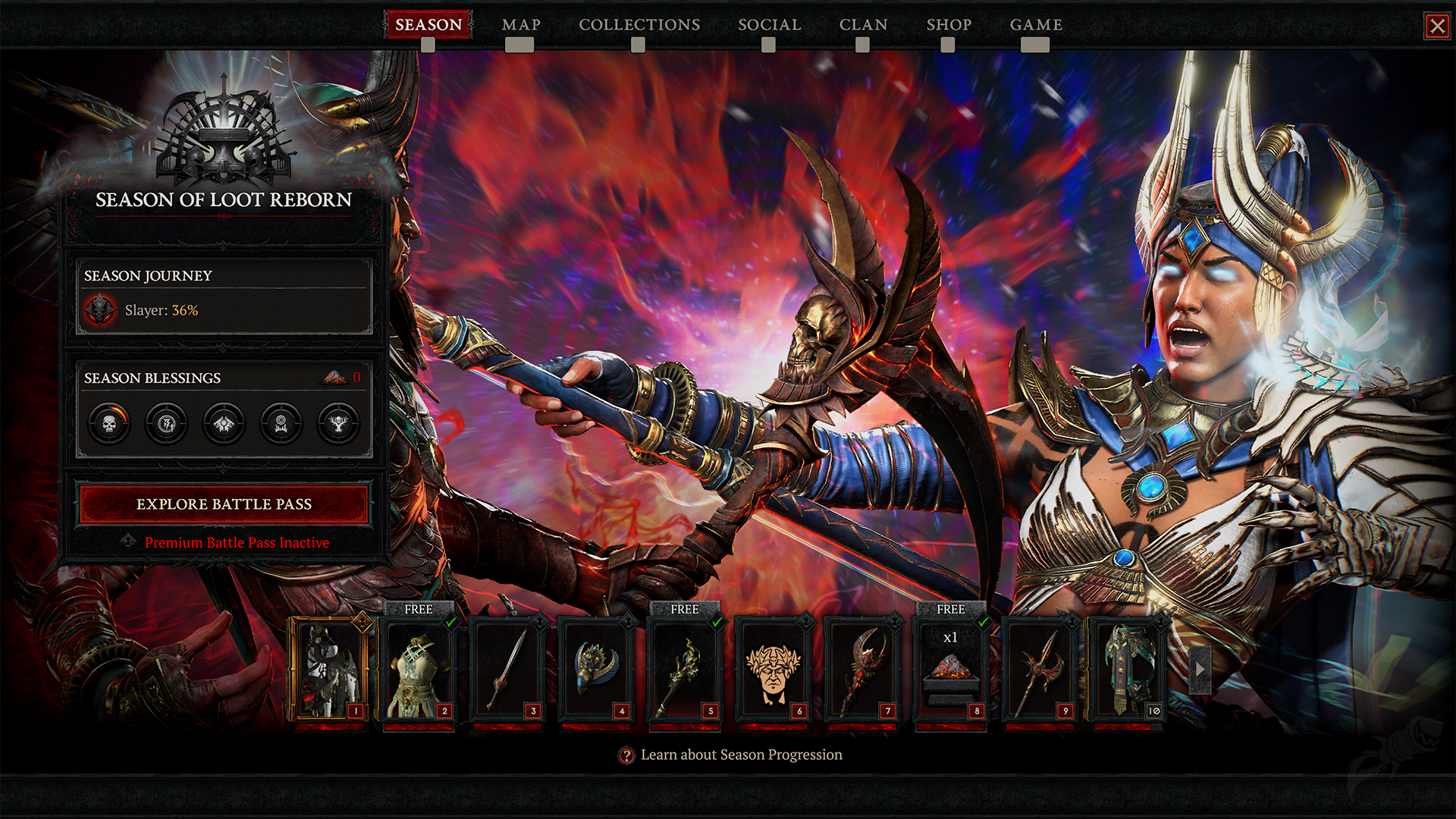
In response to community feedback, significant changes are being implemented in the loot system as part of Season 4, particularly through the “Loot Reborn” initiative:
– Simplification of Item Drops: This system initially provides items with only core and basic stats, minimizing complexity while allowing players to engage in deeper crafting and upgrading as they progress.
– Enhanced Crafting Possibilities: Ancestral items will feature additional stats and advanced crafting options that enhance build diversity, giving players more freedom to tailor their gaming experience to their preferences and playstyles.
In summary, Diablo IV’s loot system is intricately designed to ensure that players enjoy a personalized and engaging experience that evolves based on individual player choices and community feedback, while simultaneously promoting deep strategic involvement in character development and item management.
Leave a Reply