
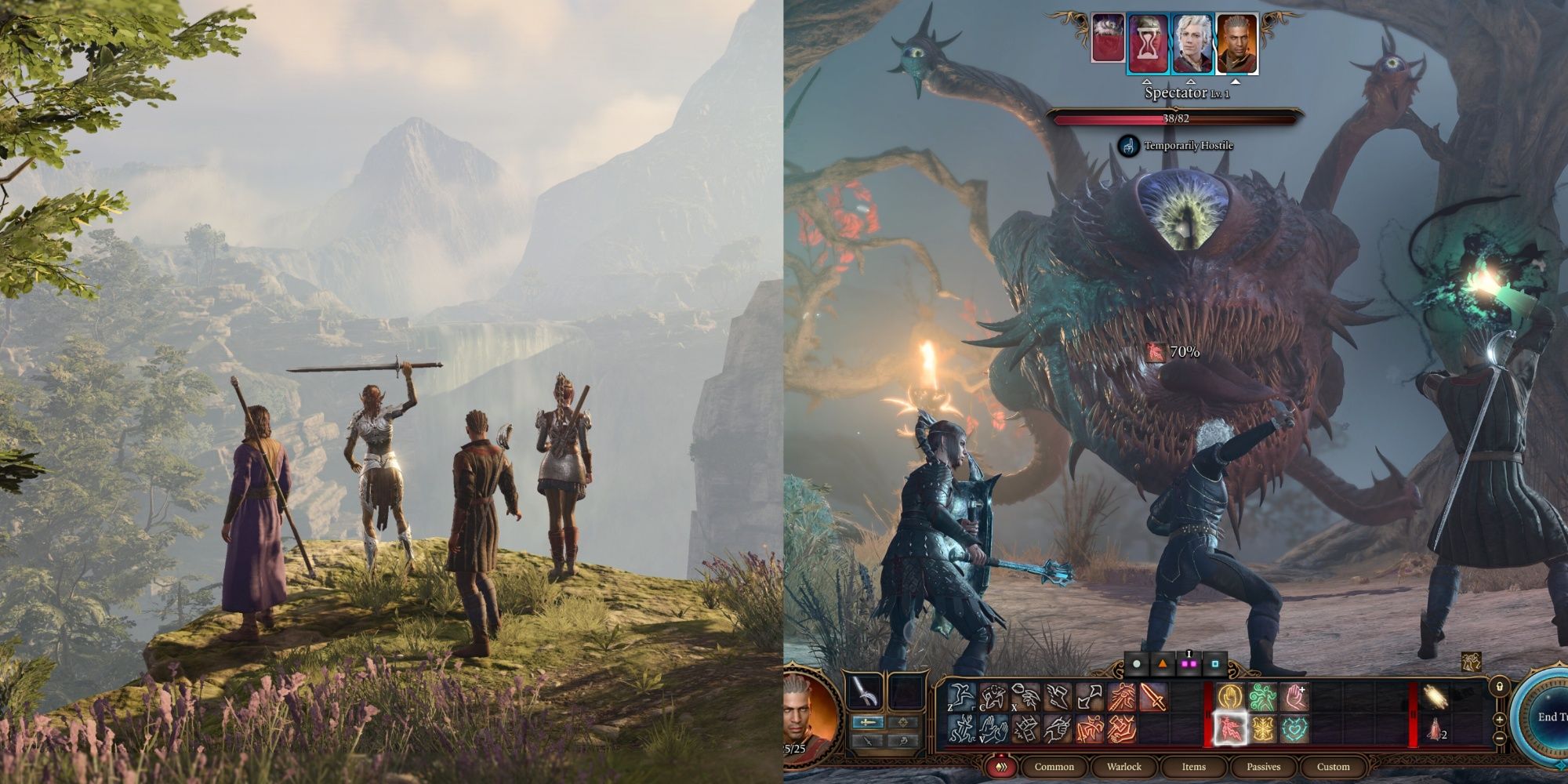
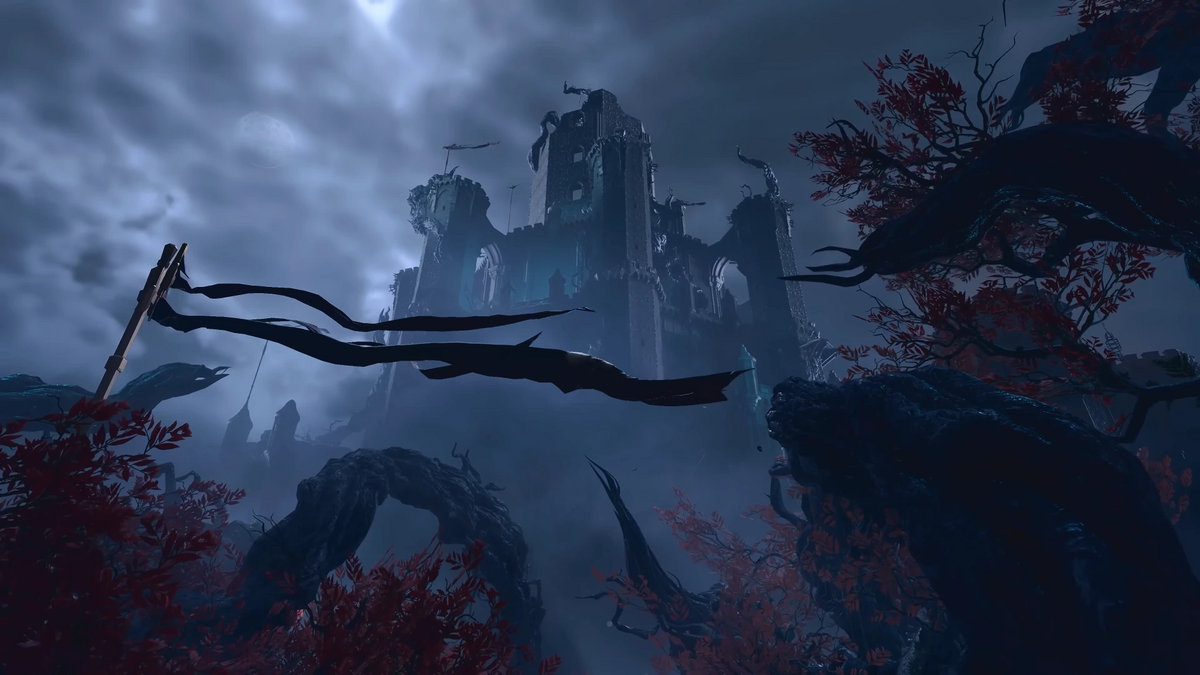
In Act Two of Baldur’s Gate 3, players find themselves traversing a web of complex factions, each with distinct values, goals, and reactions to player decisions. Understanding these factions—The Harpers, Cult of the Absolute, Flaming Fist, and Selûnites—can greatly enhance the gameplay experience by shaping alliances, conflicts, and storylines. Here’s a detailed overview of each faction and how they interact with the player’s choices.
Factions in Act Two
1. The Harpers
– Alignment: Neutral Good
– Goals: The Harpers are dedicated to promoting justice and fairness within the realm. Their presence in the Shadow-Cursed Lands is aimed at providing aid to those afflicted by the ominous Shadow Curse.
– Reactions to Player Choices:
– Allying with the Harpers: Players can choose to support the Harpers, which can lead to additional quests and rewards. Their favor opens pathways to deeper story arcs and further assistance in navigating the challenges posed by the Shadow Curse.
– Opposing the Harpers: Alternatively, if players decide to disregard their goals or act contrary to their ideals, they risk becoming viewed as enemies. This not only jeopardizes any potential alliances but can also hinder access to the support and resources the Harpers might offer.
2. Cult of the Absolute
– Alignment: Lawful Evil
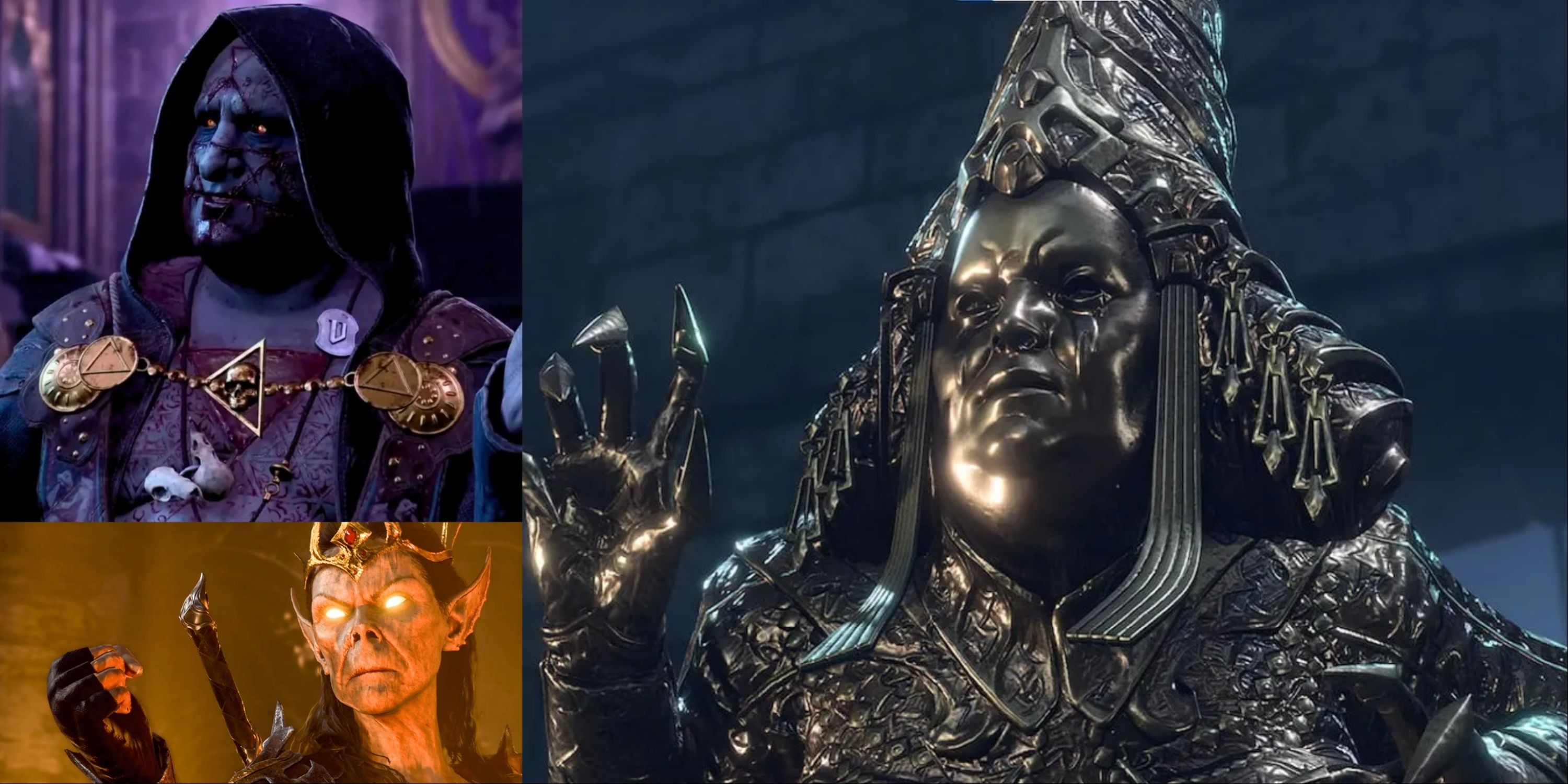
– Goals: As the principal antagonistic force in Act Two, the Cult of the Absolute seeks to exploit the Shadow Curse to expand their power and influence.
– Reactions to Player Choices:
– Active Opposition: Engaging in acts of sabotage or resistance against the Cult leads to overt hostility. Their leadership will react defensively against the player, increasing the difficulty of subsequent interactions and encounters.
– Peaceful Interaction: There are scenarios where players might negotiate or diplomatically engage with the Cult, potentially allowing for a temporary truce or valuable intelligence gathering. However, this is fraught with risk and could influence future events negatively.
3. Flaming Fist
– Alignment: Neutral
– Goals: The Flaming Fist aims to maintain order and stability in Baldur’s Gate and its surrounding areas. Their presence in Act Two is more peripheral, but they remain significant players in the larger political and social landscape.
– Reactions to Player Choices:
– Supporting the Flaming Fist: If players take actions that align with the Flaming Fist’s objectives, such as aiding in their enforcement efforts against chaos, their standing may improve, leading to beneficial alliances.
– Undermining their Authority: Conversely, actions that disrupt their command or question their authority can lead to adversarial responses, making future interactions more challenging.
4. Selûnites
– Alignment: Neutral Good
– Goals: The Selûnites, led by Isobel, focus on offering sanctuary and hope to those affected by the Shadow Curse. They maintain a sense of optimism even amidst dark times.
– Reactions to Player Choices:
– Supporting the Selûnites: Players who aid in the protection of the Last Light Inn and resonate with the Selûnites’ mission will gain strong allies. This path opens additional quests and enriched storylines focused on the Selûnites’ efforts to combat the encroaching darkness.
– Neglecting or Opposing the Selûnites: If players fail to aid them, they risk being seen as unreliable or even deceitful, straining potential future alliances and limiting access to the resources that the Selûnites could provide.
Player Choice Impact
– Quests and Alliances: The decisions players make dramatically influence the quests available to them. Players who align with certain factions may receive unique storylines, rewards, and support, while those antagonizing factions might instead find themselves in conflict, leading to a different narrative path.
– Story Progression: The choices in Act Two lay foundational groundwork for Act Three. Forming or breaking alliances can change the landscape of the narrative, affecting resource availability and the types of challenges players encounter as they near Baldur’s Gate.
Conclusion
The rich interplay between players’ choices and the numerous factions in Baldur’s Gate 3 cultivates a dynamic storytelling experience. Each faction reacts in multifaceted ways, contributing to a sense of agency within the narrative and allowing for a variety of outcomes based on player decisions. As such, thoughtful engagement with these factions can lead to deeper narrative experiences and far-reaching consequences, all set against the backdrop of a sprawling fantasy epic.


Leave a Reply