
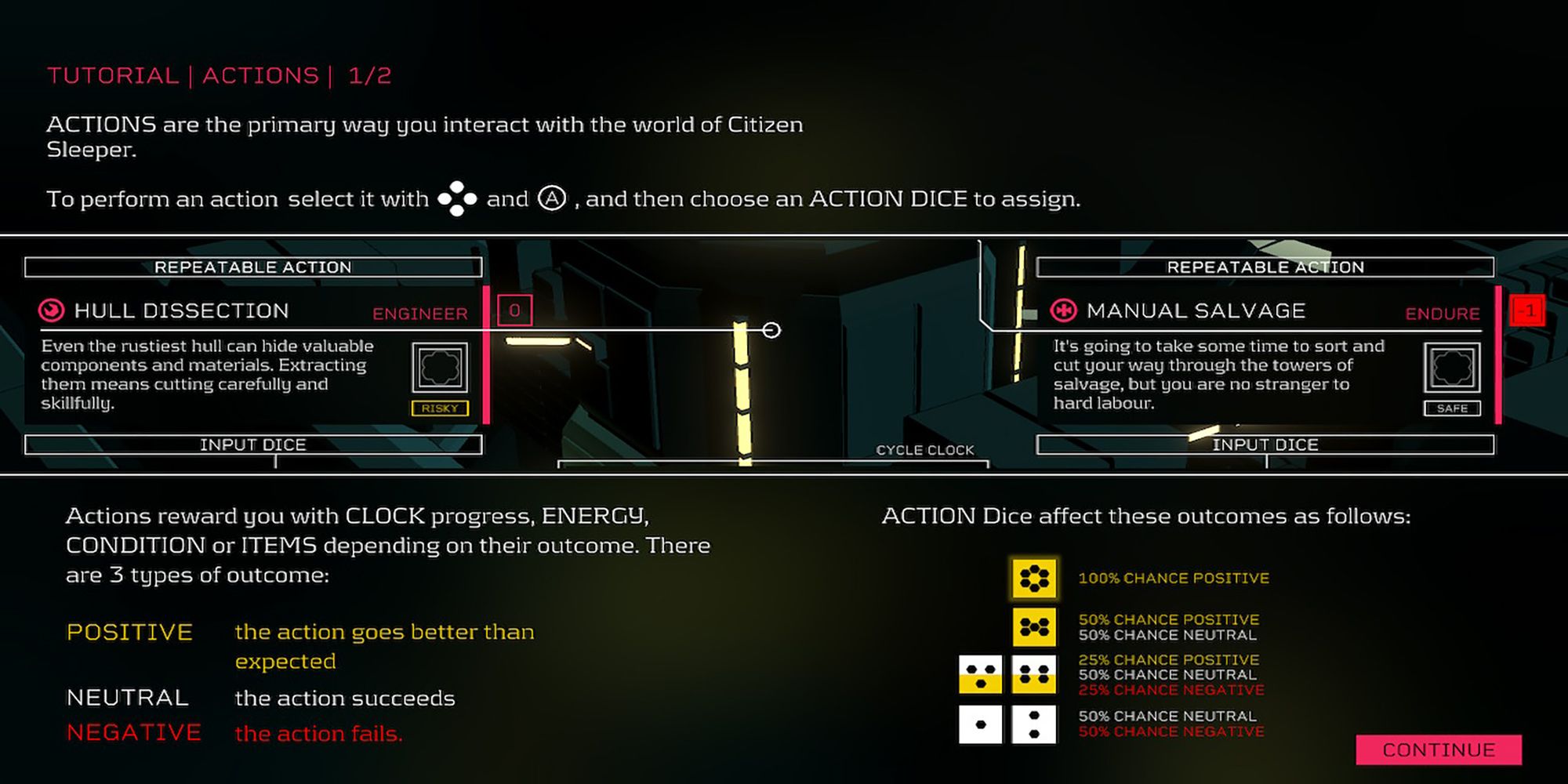
In Citizen Sleeper, engaging in high-stakes actions is an integral part of gameplay that requires players to carefully evaluate the balance between risk and reward. The game categorizes actions into three distinct risk levels: Safe (White), Risky, and Danger. Each category influences both the potential outcomes and strategic decisions of players navigating the challenges of their environment.
Risk Levels of Actions
1. Safe Actions (White)
– Risk: Low. Minimal penalties on failure.
– Outcome: Generally predictable and provides a sense of security for players looking to maintain stability.
2. Risky Actions
– Risk: Moderate. Offers potential benefits but can lead to a stress increase or loss of resources.
– Outcome: While these actions can further the player’s objectives and uncover new narratives, they come with the chance of stress that could impede future performance.
3. Danger Actions
– Risk: High. Significant rewards are possible on success, but failures carry serious consequences, including increased stress and potential damage to resources or the Sleeper’s condition.
– Outcome: These actions can yield valuable rewards, unlock critical developments, or grant unique resources, thus enticing players to take greater risks.
Rewards for Dangerous or High-Stake Actions
– Successfully completing risky or dangerous tasks often rewards players with mission advancement, significant narrative growth, or important in-game resources.
– The benefits of high-stake missions can far outweigh those of safer actions, making them appealing despite inherent risks.
– Undertaking high-reward contracts is typically fraught with danger but can provide crucial story elements or advantages that enhance overall gameplay.
Risks Associated with High-Stake Actions
1. Stress Accumulation
– Dangerous actions can result in stress increases regardless of neutral or negative outcomes, while risky actions are primarily linked to negative outcomes.
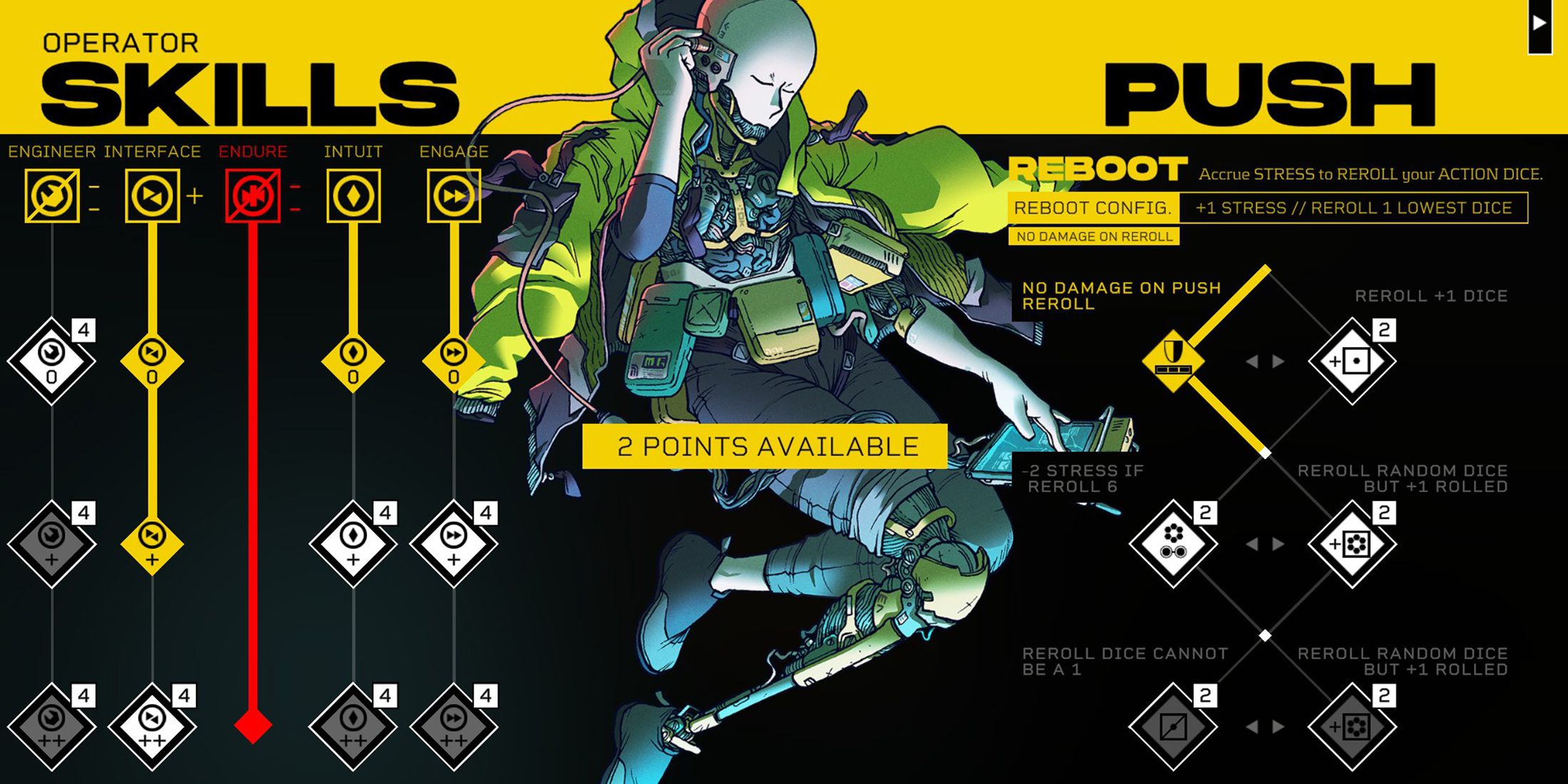
– High stress affects dice quality, potentially diminishing future tactical options.
2. Resource Loss
– Failing a risky or dangerous action may lead to the depletion of energy and cryo, critical resources necessary for survival and progression.
– The loss of resources can create long-lasting challenges for the player.
3. Dice Damage
– The likelihood of sustaining damage to dice increases with stress from high-risk activities, which can restrict action capability in subsequent cycles.
– This mechanic adds a dimension of strategic planning for the player.
4. Condition Loss
– Dangerous actions can outright damage the Sleeper’s synthetic body if they fail, inducing a sense of urgency and risk management.
Strategic Considerations
To maximize outcomes in Citizen Sleeper, players should consider the following strategies:
– Dice Management: Utilize higher dice rolls (5-6) for dangerous tasks, while reserving lower rolls (1-2) for safe choices. This differentiation can enhance the likelihood of positive outcomes.
– Stress Management: Maintaining a low stress level is essential, as high stress from repeated failures can lead to compounded issues, limiting options and reducing chances of survival.
– Resource Preparation: Ensuring a supply of resources, such as food and stabilizers, can help mitigate risks associated with undertaking dangerous missions, offering a buffer against adverse outcomes.
– Balance Risk vs. Reward: Each decision to engage in high-stake actions must weigh the potential for greater rewards against the risks of resource depletion and Sleeper condition damage, thereby maintaining a core gameplay tension that defines the experience.
Conclusion
In summary, the intricate dynamics of risk and reward in Citizen Sleeper ensure that players must engage in a calculated approach to high-stakes actions. While the potential for substantial rewards exists, the serious risks, including stress buildup, resource loss, and dice damage, make each decision significant. Mastering this balance shapes the player’s journey and enhances the overall narrative experience, compelling players to think strategically about their choices in a volatile environment.

Leave a Reply