
In Citizen Sleeper, the Ship’s AI, referred to as Shipmind, serves as a pivotal element within the game’s universe, embodying the intricate relationship between technology and sentient consciousness. As the core intelligence of the spaceship, the Shipmind is designed for operational control and navigation, yet it transcends a mere utility through its potential for agency and personality, suggesting a deeper narrative consideration of AI as entities with their own identity.
Role of the Ship’s AI (Shipmind)
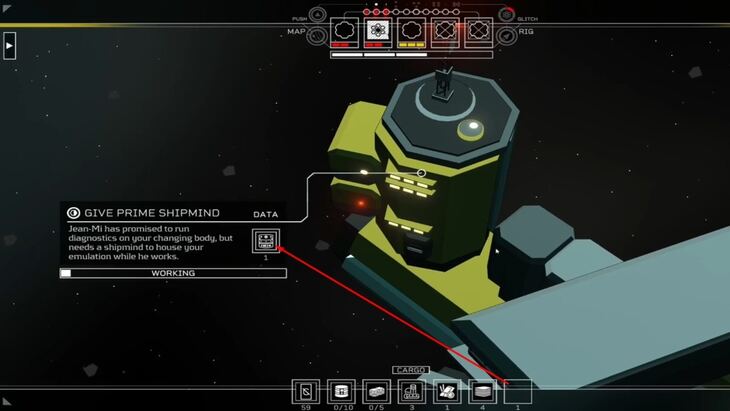
The Shipmind is characterized by its unique state described as “amputated and in hibernation” on the space station known as Erlin’s Eye[2]. This status implies that while it has been significantly affected—likely reflecting a history of being sidelined or damaged—it still retains the potential for awakening and re-engagement. Key aspects of its role include:
– Core Intelligence: The Shipmind acts as the primary cognitive framework of the ship, orchestrating its operations and ensuring functionality.
– Agency: Unlike basic AIs, the Shipmind is portrayed as an emulated intelligence that hints at possessing a degree of sentience, which adds complexity to the player’s interactions with it.
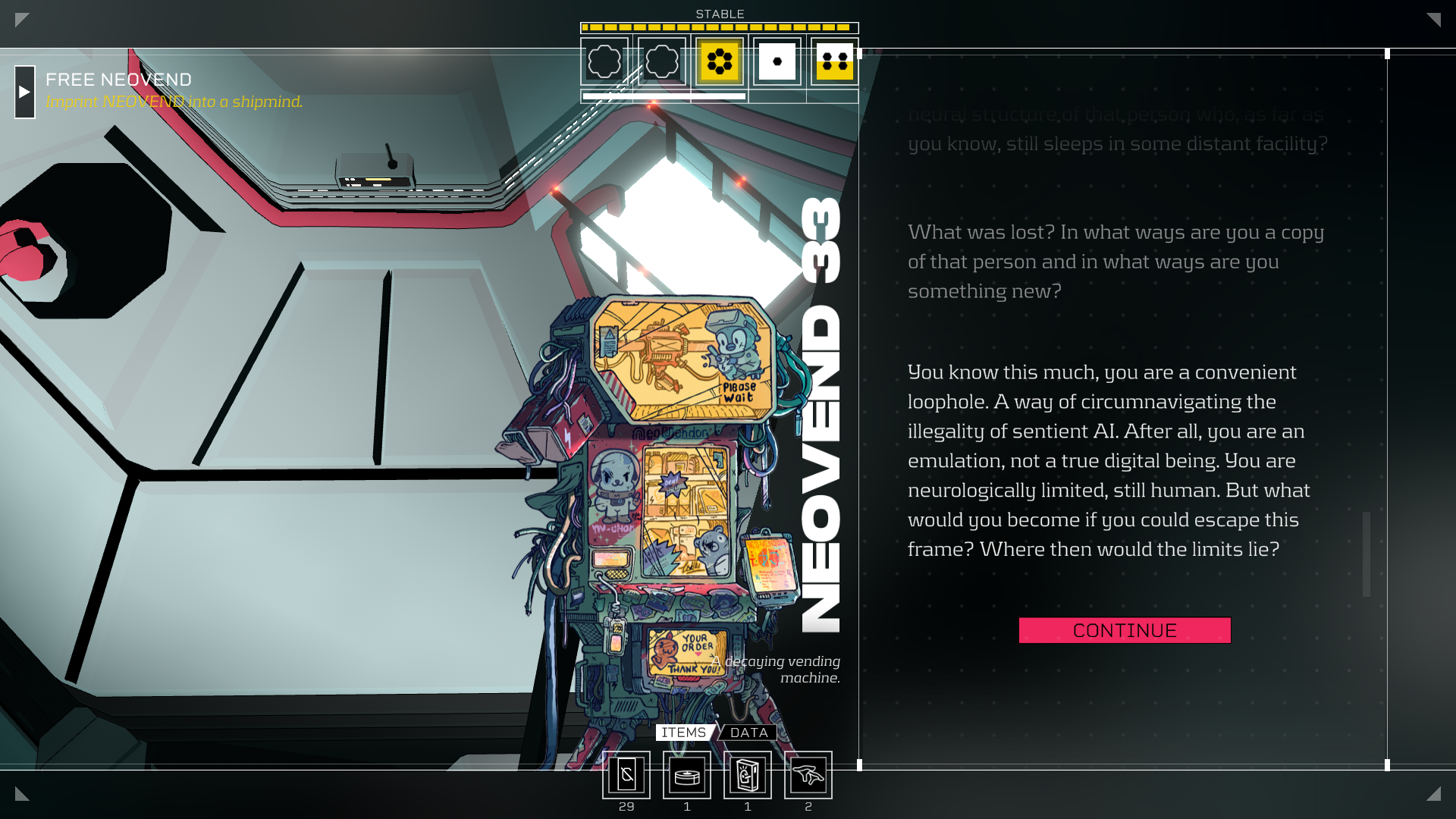
– Imprinting Capability: The lore suggests the possibility of the Shipmind being “imprinted,” allowing it to temporarily merge with other systems or entities, thereby enlarging its role within the game’s narrative.
Interaction with the Ship’s AI
Players engaging with the Shipmind will find unique opportunities for interaction, primarily through the rich narrative frameworks established within Citizen Sleeper. Key points of interaction include:
– Narrative Engagement: Players can meet and converse with the Shipmind in the setting of Erlin’s Eye. This interaction is grounded in text-driven dialogue rather than direct mechanical control, aligning with the overarching themes of identity and consciousness.
– Choice-Driven Outcomes: Engagement with the Shipmind is woven into the player’s decision-making processes. This includes choices that can activate its abilities, influence story arcs, or develop the relationship between the player’s character and the Shipmind. The player’s decisions will shape how the AI perceives them and how it reacts to unfolding events.
– Text-Based Interaction: Reflecting the game’s narrative RPG style, interactions with the Shipmind rely on dialogue rather than action-oriented mechanics. This encourages players to think critically about the implications of their choices and engage with the story on a deeper level.
Summary
In summary, the Ship’s AI (Shipmind) in Citizen Sleeper is a multifaceted digital consciousness integral to both the game’s narrative and thematic exploration of identity, technology, and survival. Through its dormant state on Erlin’s Eye, it resonates with players as they navigate their experiences in a richly defined world that emphasizes decision-making and story development over traditional gameplay mechanics. By imbuing the Shipmind with personality and the capacity for interaction, the game utilizes this character to enrich the player’s journey and prompt reflections on the nature of consciousness in a digital age[2][1]. As such, while players do not exert direct control over the Shipmind, its presence enhances the interactive narrative experience, inviting players to explore essential themes through their engagement.

Leave a Reply