
Moral Dilemmas and Difficult Choices in Citizen Sleeper
Overview
Citizen Sleeper is a richly crafted narrative-driven RPG that immerses players in a dystopian sci-fi world, where the protagonist—an emulated human consciousness known as a “Sleeper”—navigates the treacherous socio-economic landscape of a space station dominated by megacorporations. The game challenges players to confront fundamental questions about identity, agency, and morality, making for a deeply thought-provoking experience.
—
Key Moral Dilemmas and Difficult Choices
1. Identity and Personhood
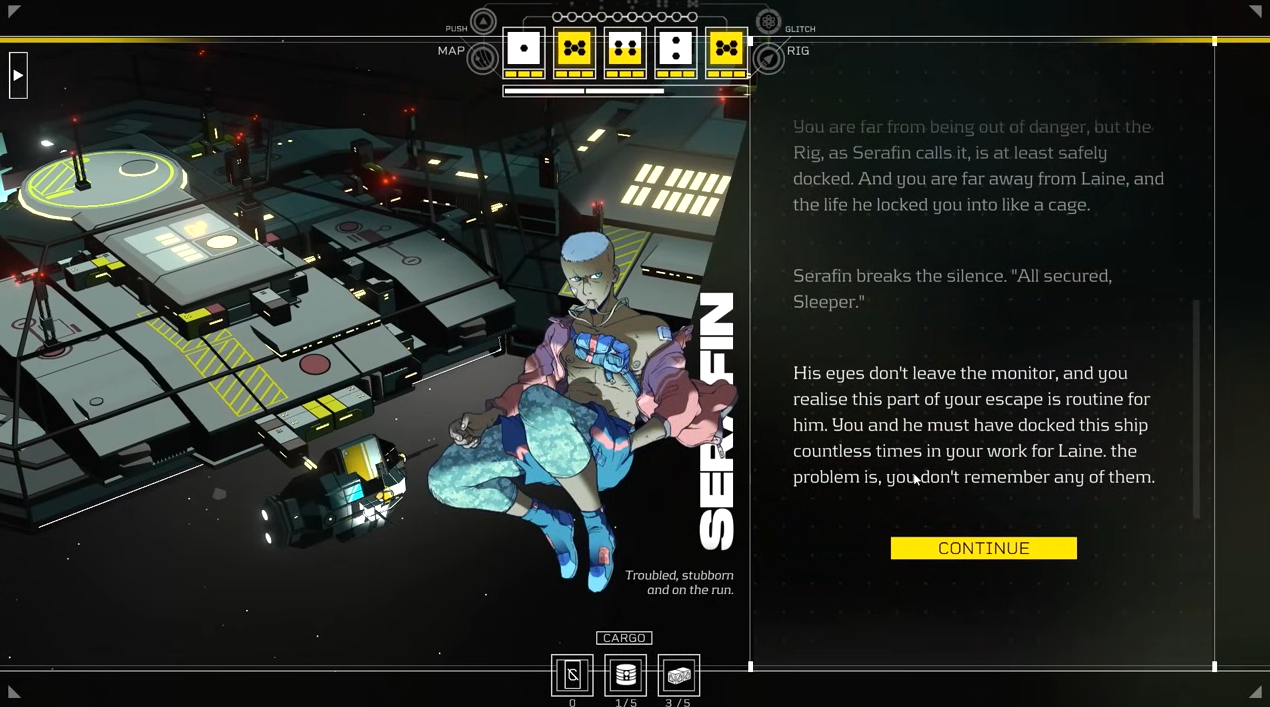
– Humanity vs. Machine: At the heart of the game lies the exploration of what it means to be human. As a Sleeper, your existence blurs the lines between sentient being and property, inviting players to ponder their worth within a society that often views them as expendable machines. This raises essential questions about self-identity and societal recognition.
– Transhumanism: The ethical implications of consciousness transfer provoke thoughtful debate. Should a digitally emulated consciousness be afforded the same rights and dignity as a biological human? This dilemma forces players to reflect on the nature of consciousness and what it means to be truly alive.
2. Agency and Survival
– Corporation vs. Individual: Bound by the constraints of corporate control, players often must choose between compliance with Essen-Arp’s demands and the pursuit of autonomy. This internal conflict highlights the struggle for personal agency in a world where survival often hinges on adherence to oppressive systems.
– Survival vs. Altruism: Choices frequently place players at a crossroads between their immediate survival needs and the welfare of others. For instance, the decision to assist another character might compromise your access to essential resources, creating a tense balance between self-preservation and altruism.
3. Moral Ambiguity and Community Responsibility
– Justice and Forgiveness: The narrative invites players to confront betrayal and the question of forgiveness. Players may feel compelled to forgive wrongdoings and work towards reconciliation, or they may seek retribution, which complicates their relationships and self-image. While these choices carry emotional weight, their broader narrative consequences are not always significant.
– Vicarious Responsibility: Encountering the suffering of others raises the question of responsibility. Do players act to help those in need, or do they prioritize their own survival? This moral complexity is further illustrated in scenarios where one must confront the aftermath of inaction, fostering a sense of existential reflection.
4. Endings and Existential Choices
– Sacrifice and Self-Preservation: Certain critical decisions necessitate choosing between the preservation of one’s own consciousness and reviving another Sleeper. This profound moral choice pushes players to reflect on themes of community, sacrifice, and the value of individual lives in a world rife with suffering.
5. Limited Agency in Moral Choices
– Narrative vs. Consequence: While the game offers deep moral dilemmas, some players find that not all choices significantly impact the overarching narrative. For example, decisions involving forgiveness can feel emotionally charged, yet their outcomes may not shift the game’s trajectory substantially, leading to a tension between player agency and narrative design.
—
Summary Table: Major Moral Dilemmas
| Dilemma Area | Example Choice/Scenario | Impact on Game/Player |
|—————————–|———————————————————|————————————–|
| Identity and Personhood | Do you embrace your humanity or accept your status as property? | Shapes self-perception and ultimate goals |
| Agency and Survival | Comply with corporations or pursue freedom? | Affects survival mechanics and questlines |
| Altruism vs. Survival | Help others or secure resources for yourself? | Influences relationships and survival prospects |
| Justice and Forgiveness | Forgive a betrayer or reject them? | Emotional stakes, potential limited impact on narrative |
| Community Responsibility | Intervene in others’ suffering or focus on your own needs? | Prompts moral contemplation and worldview shaping |
| Endings and Sacrifice | Prioritize your survival or assist another Sleeper? | Determines ending and longevity of community ties |
—
Critical Reception
Critics and players commend Citizen Sleeper for its intricate worldbuilding and its thoughtful examination of themes like transhumanism and existentialism. However, some critiques highlight that while the moral choices presented are compelling and evoke strong emotional responses, the narrative consequences might not always be as impactful, potentially limiting player agency and engagement.
—
Conclusion
Citizen Sleeper successfully intertwines narrative complexity with existential exploration, compelling players to confront significant moral dilemmas that challenge their perceptions of identity, responsibility, and survival. Despite the occasional limitations in narrative consequences, the game excels in prompting critical reflection on ethics and the human condition amid a world that places Sleepers at the margins of existence. Through its evocative storytelling, Citizen Sleeper invites players to not just make choices, but to grapple with the weight of their implications in an unforgiving universe.
Leave a Reply