
The significance of green dice in the Citizen Sleeper series revolves around their role as a gameplay mechanic, even if the term “green dice” isn’t explicitly defined in official resources. Let’s delve into how these dice function and their broader impact on your experience in the game.
Understanding the Role of Dice
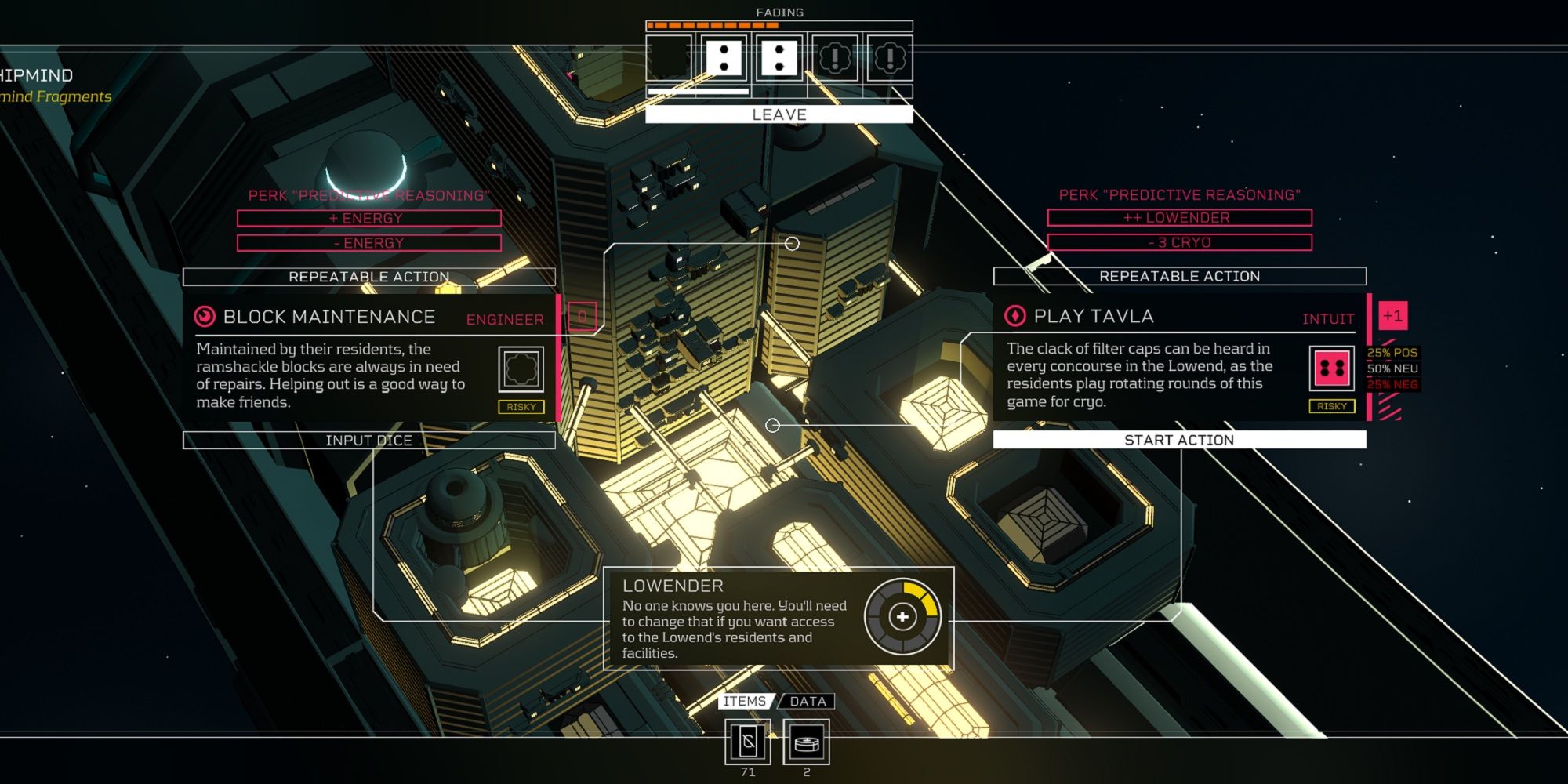
1. Core Mechanics: In both Citizen Sleeper and its sequel, Citizen Sleeper 2: Starward Vector, dice are fundamental to the gameplay, representing the actions available each cycle (in-game day). The value of the dice determines your likelihood of success in undertaking tasks.
2. Health and Damage: Each die can have a maximum health of three points. When a die’s health reaches zero, it breaks and can no longer be utilized until it is repaired.
3. Action Economy: The number of dice you possess directly influences your action economy. Players begin with a single die and can accumulate up to five based on their condition points, effectively allowing them more opportunities to engage with the game world.
The Concept of “Green” Dice
While the core mechanics do not categorize dice by color, “green” dice may refer to:
– Conditioned or Repaired Dice: Players often associate the term “green” with dice that are functioning optimally, indicating that they have been successfully repaired and possess no damage.
– Glitched Dice Representation: Alternatively, some players informally refer to glitched or substandard dice as green, particularly those resulting from an Improvised Dice Repair. These dice have a high chance of failure in actions, which could visually distinguish them from repaired, fully functional dice.
How They Affect Gameplay
– Acquiring More Dice: The maximum number of dice a player can have is managed through condition improvement. Players need to keep track of their condition points, as each point translates to additional dice—enhancing the overall strategic depth.
– Replenishment and Repairs: At the beginning of each cycle, dice are automatically replenished. However, players must balance their actions with the potential for dice damage incurred through accumulated stress. Repairing broken dice requires resources and can sometimes yield unreliable glitched dice.
– Managing Stress: To maintain a healthy portfolio of action options, players should mitigate stress levels. Engaging in risk-averse behavior, utilizing Push abilities, and resting at hubs can help manage their overall dice capacity.
Summary Table: Dice Management Mechanics
| Aspect | Details |
|———————|—————————————————————————————–|
| Maximum Dice | 5 (based on condition) |
| Dice Health | 3 points per die |
| Replenishing Dice | Start of each cycle at rig |
| Repairing Dice | At Rig’s Workshop (Far Spindle), with Scrap/Rare Components |
| Glitched Dice | Result from Improvised Repair (Scrap), 80% failure chance |
| Mitigating Damage | Avoid stress, use Push abilities, rest at hubs |
Key Takeaways
1. Action Opportunities: A greater number and better condition of dice allow for more actions and higher success rates.
2. Dice Accumulation: Increase your condition to gain more dice, take advantage of cycle replenishment, and carefully repair broken dice.
3. Stress Management: Avoid accumulating stress to prevent damage and loss of dice. Planning and tactics are crucial.
4. Understanding Glitched Dice: Be wary of the risks associated with improvised repairs and the consequent glitched dice.
In conclusion, while “green dice” may not have a formal definition within the game mechanics, they can serve as a metaphor for well-maintained or repaired dice. Understanding the broader implications of dice mechanics—health, stress, actions, and resource management—will significantly enhance your gameplay experience in the Citizen Sleeper series. If there are specific mechanics or aspects related to “green” or special dice that you are curious about, please feel free to clarify!


Leave a Reply