
Citizen Sleeper 2: Starward Vector – Dice Roll Failures and Stress Mechanics
Citizen Sleeper 2: Starward Vector introduces an intricate mechanics system for handling the consequences of failed dice rolls, reinforced by the Stress and Dice Break mechanics. Understanding these systems is crucial for effectively navigating the challenges presented throughout the game.
Dice Roll Failures and Consequences
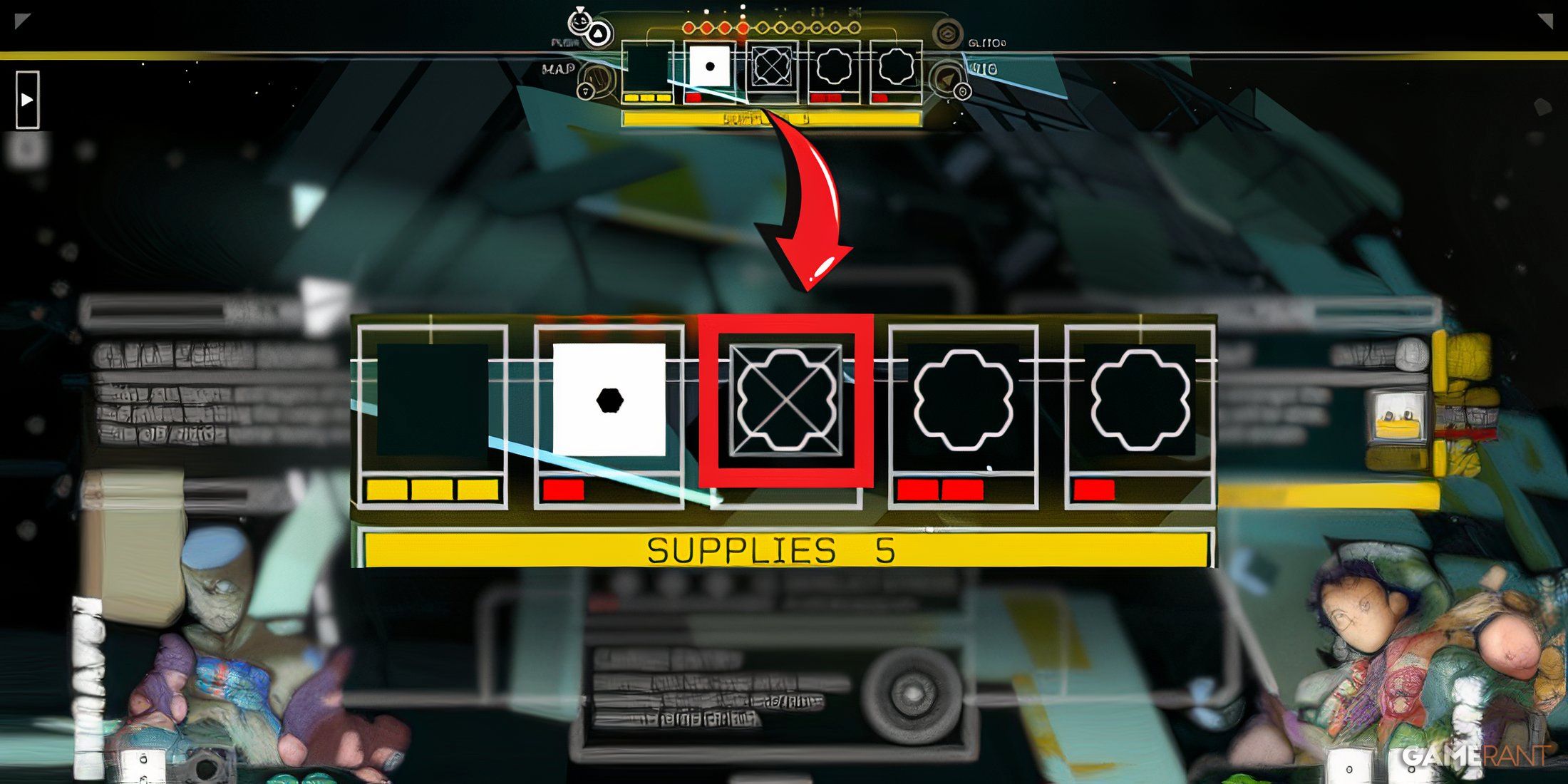
When a player experiences a failed dice roll, undertakes a risky action, or utilizes the Push ability, they accumulate Stress. Each die in a player’s pool possesses a health attribute (generally three hit points). As Stress mounts, the impact on the dice becomes more pronounced, leading to potential damage. Specifically, if a die’s health reaches zero, it breaks and becomes unusable until repaired at a Hub. This mechanic not only reduces a player’s available actions in a cycle but also creates a negative feedback loop: increased Stress leads to more damaged dice, compounding the effects of previous failures.
How Stress Affects Dice
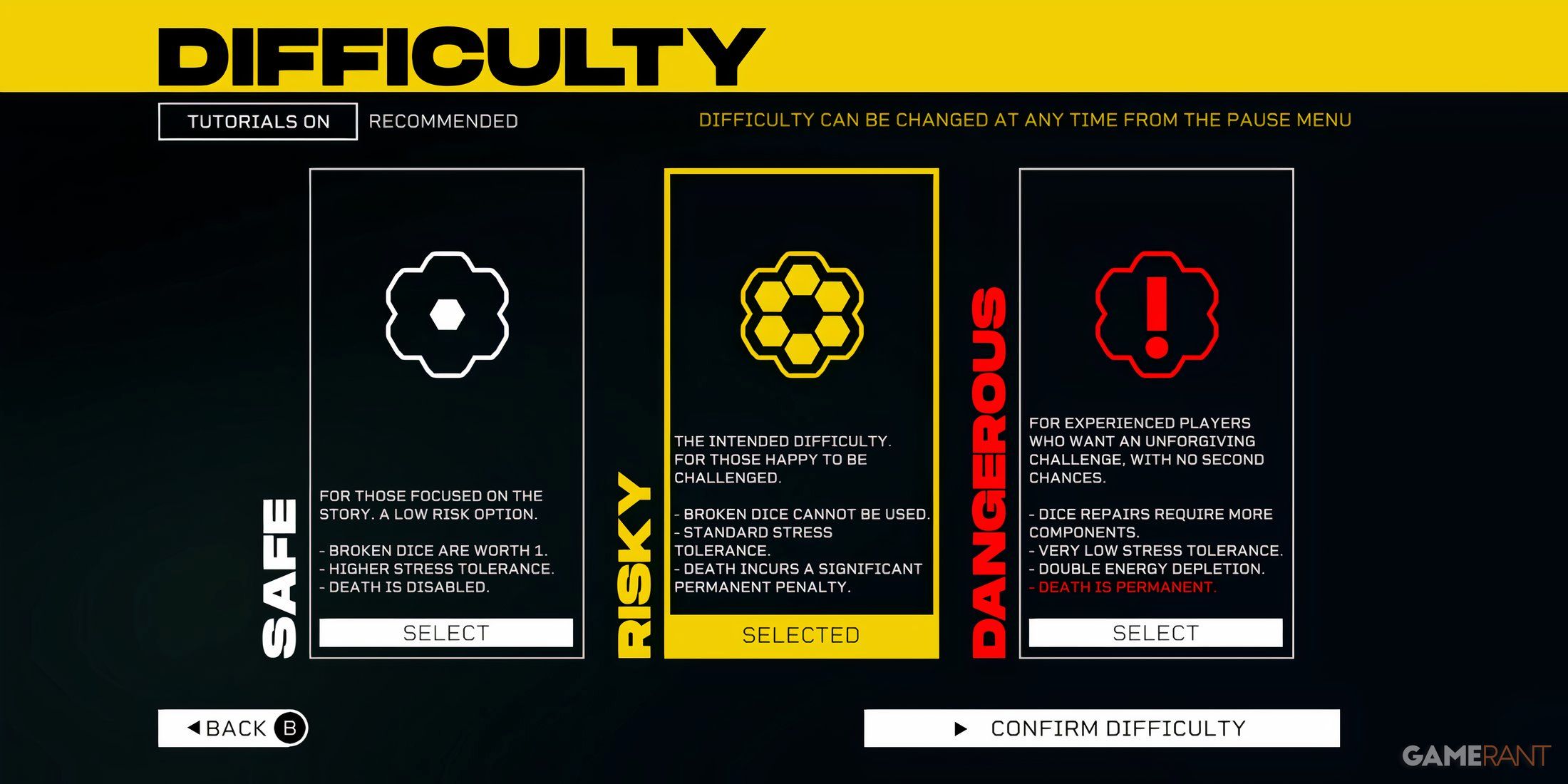
The interaction between Stress levels and die damage varies according to the selected difficulty mode. The following table illustrates how increased Stress can lead to specific numbers causing damage to the dice:
| Stress Level | Safe Mode | Risky Mode | Dangerous Mode |
|————–|————————-|—————————|————————–|
| 1 | — | — | Rolling 1 Causes Damage |
| 2 | — | Rolling 1 Causes Damage | Rolling 2 Causes Damage |
| 3 | Rolling 1 Causes Damage | — | — |
In general, the higher the Stress level, the more vulnerable the dice become to damage from lower rolls, making it increasingly precarious to rely on smaller dice or to push luck in difficult scenarios. Under beginner settings, a broken die is permanently reduced to 1 until serviced at a Hub.
Mitigating Negative Outcomes
Players have access to several strategies to mitigate adverse effects stemming from failed actions:
– Instant Karma: This powerful tool allows a re-roll of the remaining dice pool at any point within a cycle, providing a chance to recover from particularly unfavorable rolls.
– Push Abilities: These can alter outcomes or improve rolls but may also raise Stress if the new roll results in damage to the dice.
– Stress Management: Keeping Stress low is critical. This can be achieved by resting at Hubs, avoiding overly risky maneuvers, and employing Stress-reducing abilities or upgrades.
– Repairing Dice: Broken dice can be restored at a Hub, reinstating the player’s ability to perform more actions in subsequent cycles.
– Difficulty Settings: Lowering the game difficulty can alleviate Stress penalties, making it less likely for dice to break even on low rolls.
Cascading Penalties
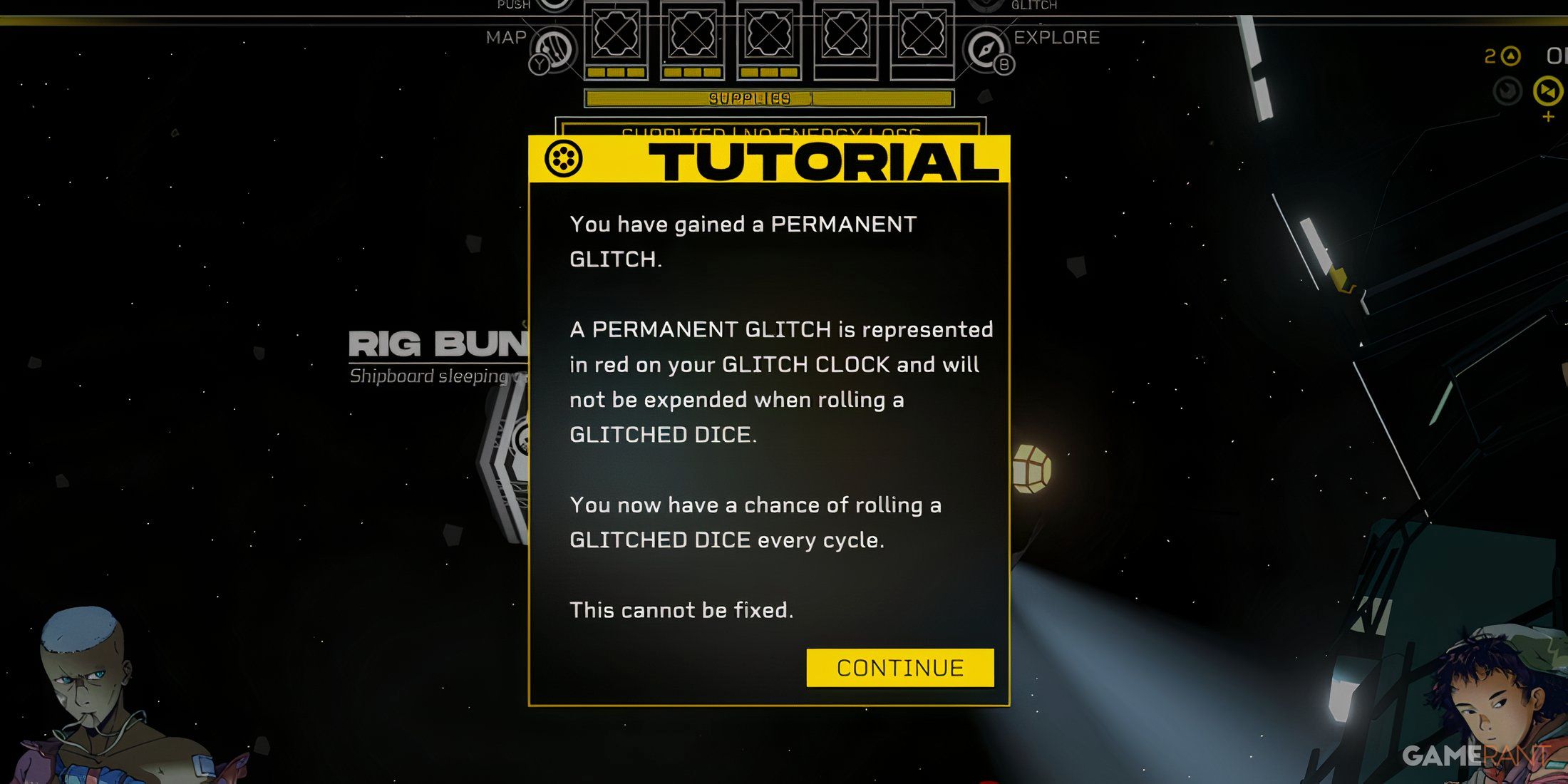
Failure to manage your dice and Stress effectively can lead to cascading penalties. If all dice are lost, the player incurs a permanent Glitch, which significantly harms their character and restricts gameplay choices. This reinforces the need for strategic management of Stress and a proactive approach to avoid a spiral of rolling failures.
Summary Table: Stress, Damage, and Mitigation
| Mechanism | Effect | Mitigation Strategy |
|———————|—————————————–|—————————————-|
| Failed Dice Roll | Increase Stress, potential dice damage | Utilize Instant Karma, Push abilities |
| Stress Accumulation | Specific numbers may inflict damage | Rest at Hub, manage risky actions |
| Broken Dice | Decreased actions, increased risk of Glitch | Repair at Hub, maintain low Stress |
| Push Ability Use | May escalate Stress if reroll is low | Optimize Push usage, upgrade when possible |
Key Takeaways
– Central Role of Stress: Stress serves as a pivotal factor influencing the penalties associated with failed rolls, with consequences escalating in severity as Stress increases.
– Impact of Broken Dice: Losing dice restricts the player’s action capabilities, complicating recovery efforts from setbacks.
– Possible Mitigation: Players can implement careful management techniques, make effective use of rerolls, and upgrade their abilities to enhance resilience against failures.
– Risk-Reward Tension: The game’s mechanics are designed to create a nuanced risk-reward balance, promoting strategic thinking and resource management throughout the gameplay experience.
In summary, Citizen Sleeper 2’s mechanics ensure that failing to roll well is not merely a negative outcome but a multifaceted challenge that can be navigated with skillful strategies and a careful approach to resource management. Players must remain attentive to their Stress levels and the health of their dice to maintain their effectiveness in the game.


Leave a Reply