
Sound Cues Signaling Hidden Secrets in Tunic
Tunic’s gameplay experience is significantly enhanced by its astute use of sound cues, which often lead players to hidden secrets and interactable objects. These auditory indicators serve as essential components of the game’s environmental storytelling. Below is a comprehensive overview of the main sound-based cues found in Tunic that alert players to these concealed secrets.
1. Environmental Puzzle Noises
– Wind Chime Melodies: This is one of the standout auditory elements in Tunic. A set of wind chimes plays a specific tune that players are encouraged to listen to closely. By matching these melodic sequences with directional inputs on the controller—specifically using the “Holy Cross”—players can unlock hidden content. The in-game manual cleverly hints at the significance of these chimes and their notes, nudging players to engage their auditory senses. Lowering the music to emphasize sound effects is often recommended to effectively solve these puzzles.
– How to Detect: Players should be alert for a unique, repeating pattern of chimes, particularly in outdoor or transitional settings. The sound will be distinct from the background music and will become more prominent if the background music is muted.
– What to Do: Players should use the D-pad controls to replicate the sequence of tones from the chimes, as this action usually reveals hidden elements.
2. Audio Spectrograms and Hidden Paths
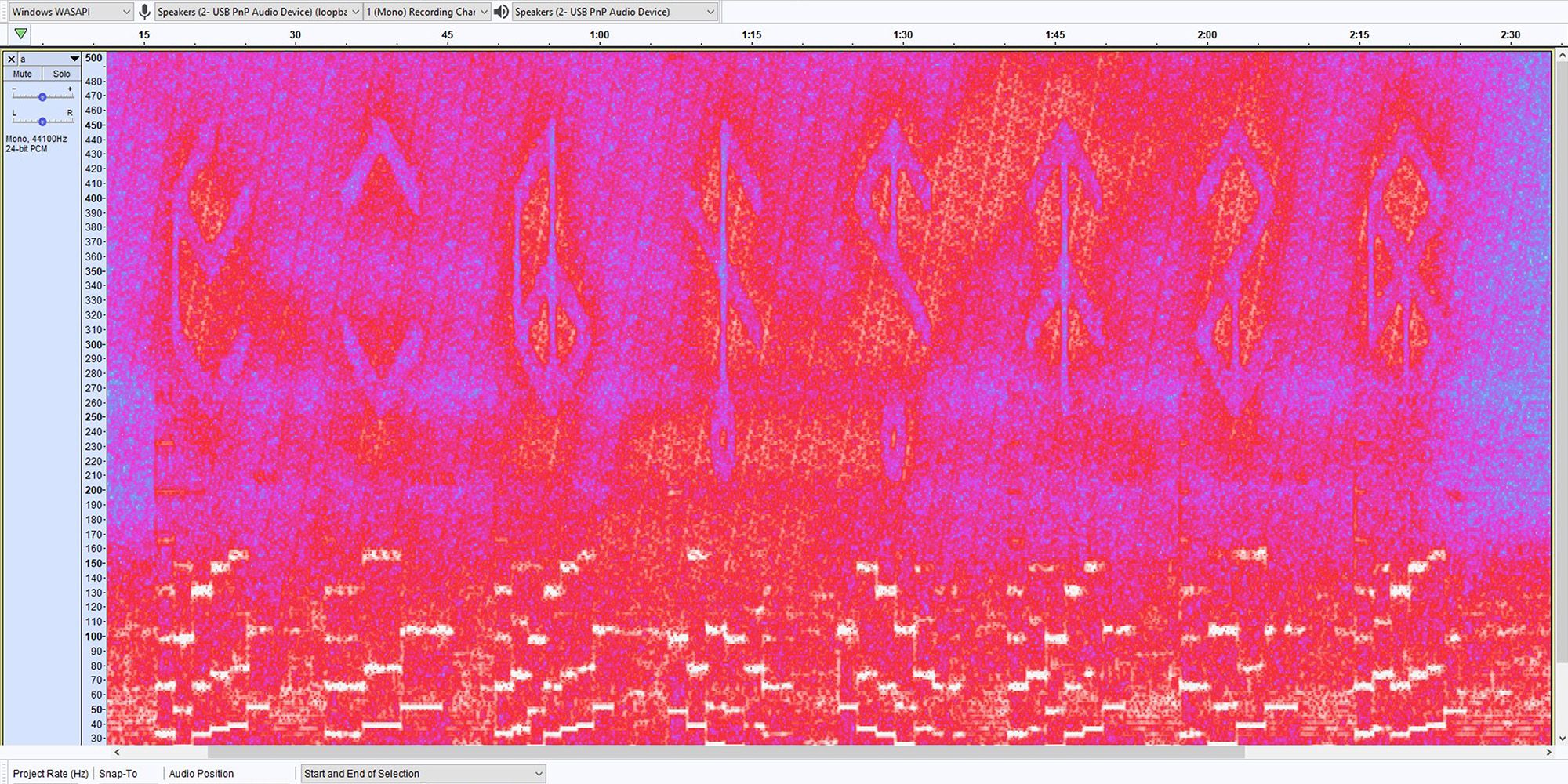
– Spectrogram Sound Cues: In certain areas, players may encounter soundscapes that, when visualized, reveal hidden pathways or secrets. The ambient noises in these rooms often have a subtle electronic quality, which can be crucial for unveiling paths when analyzed correctly.
– How to Detect: Listen for faint, low-frequency synthesized sounds in concealed areas, particularly where visual clues are scarce. The ambiance may include looping sounds that hint at the presence of secrets.
– What to Do: Players can utilize third-party tools or in-game recording features to visualize the sound spectrogram. This analysis may display patterns correlating with hidden routes or items.
3. NPC and Shopkeeper Vocalizations
– Shopkeeper’s Unique Sounds: When engaging with the skeletal demonic fox shopkeeper, players may hear specific sounds that change based on context, signaling shifts in dialogue or situation. While these sounds might not directly lead to secrets, they enhance the game’s atmosphere and can point to unusual happenings.
– How to Detect: Players should pay close attention to unique vocalizations when interacting with or nearing certain NPCs, as these can denote opportunities for hidden dialogues or events.
4. Water Immersion Secrets
– Submerged Object Clues: Immersing particular objects or the player character in water for specified durations (e.g., 60 seconds) can unlock secret messages or trigger events. While these actions do not always produce distinct sound cues, players may notice that environmental water sounds amplify, and sometimes, a faint jingle might play upon successful completion.
– How to Detect: Watch for changes in background noise related to water or listen for a gentle fanfare after successful immersion.
Summary Table
| Secret Type | Sound Cue Description | How to Detect | What It Indicates |
|—————————-|————————————–|———————————-|————————————|
| Wind Chime Puzzle | Distinct melody from chimes | Listen for repeating sequence | Hidden input sequence needed |
| Spectrogram Room | Ambient, synthesized noise | Listen for low, looped tones | Hidden path or object via spectro |
| Shopkeeper/NPC Sounds | Contextual vocalizations | Unusual NPC noises | Atmosphere, possible hidden info |
| Water Immersion Secrets | Change in water/ambient sound | Listen for water/event sound | Completion of secret task |
Key Tips
– Lower Music Volume: For tasks that require acute auditory focus, reducing the music volume can help players hear important sound cues more clearly.
– Pay Attention to Change: When moving into new areas or interacting with objects, be vigilant for changes in background noise or the introduction of new sounds.
– Use Manual Hints: The in-game booklet often includes hints about sound-related secrets, particularly in sections featuring musical notes or illustrations of birds.
Conclusion
In Tunic, sound transcends mere ambiance; it is a crucial tool for discovery. By being receptive to wind chime melodies, spectrogram anomalies, NPC vocalizations, and environmental sound changes, players can enhance their journey and unearth the game’s myriad secrets. Listening carefully not only enriches the gameplay experience but is often the key to unlocking the most hidden depths of the world.



Leave a Reply