
Handling the randomization of tiles in Dorfromantik requires not just an understanding of the game’s mechanics but also a strategic approach that adapts to the unique challenges presented with each new game. Below are detailed strategies to optimize your gameplay and navigate the inherent randomness effectively.
Understanding Dorfromantik’s Mechanics
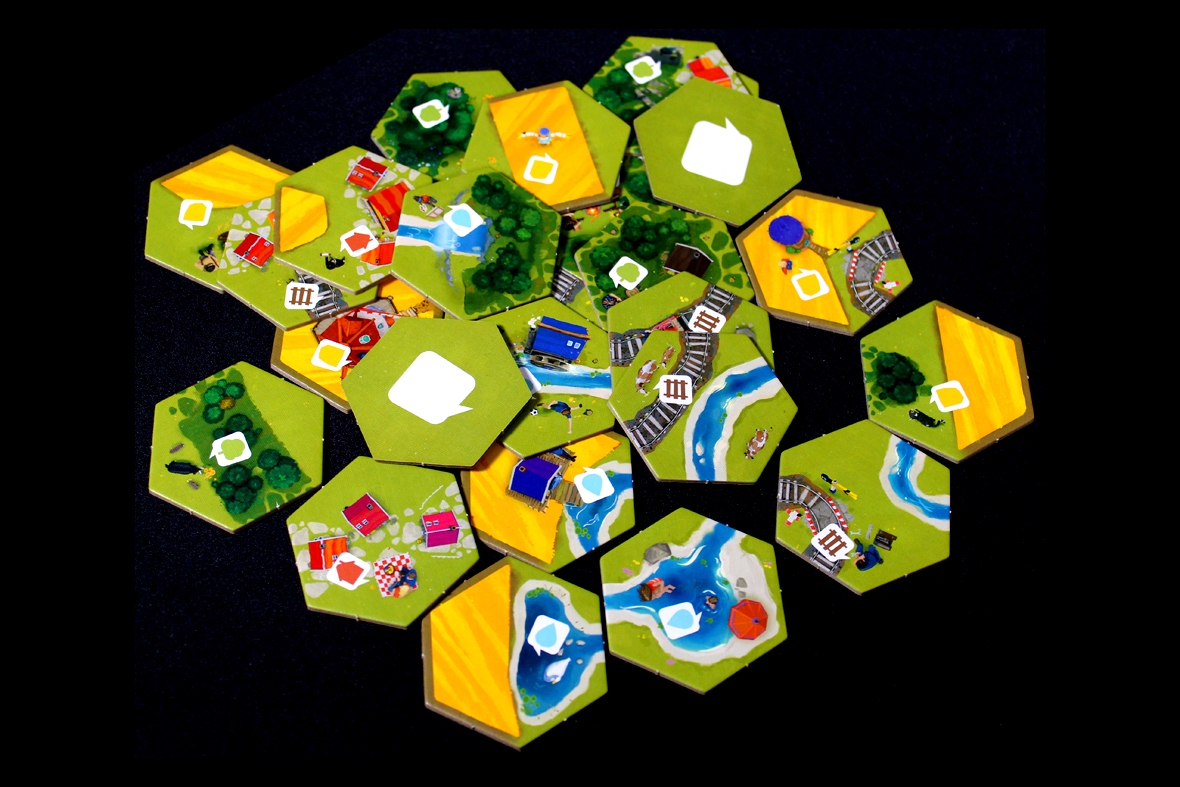
1. Tile Generation: The game generates tiles procedurally, meaning every session introduces new scenarios with varying challenges and opportunities. Each tile type plays a specific role in the broader game strategy.
2. Objectives and Quests: Many tiles are tied to quests, asking players to complete specific tasks—like connecting a certain number of houses or fields—which impacts your overall score and the number of tiles you can earn.
3. Perfect Placements: Strategically placing tiles to fulfill the requirements of the game results in “perfect placements”, earning extra tiles that are vital for maintaining gameplay momentum.
Strategic Tips to Handle Randomization
1. Build a Wide Spread Board:
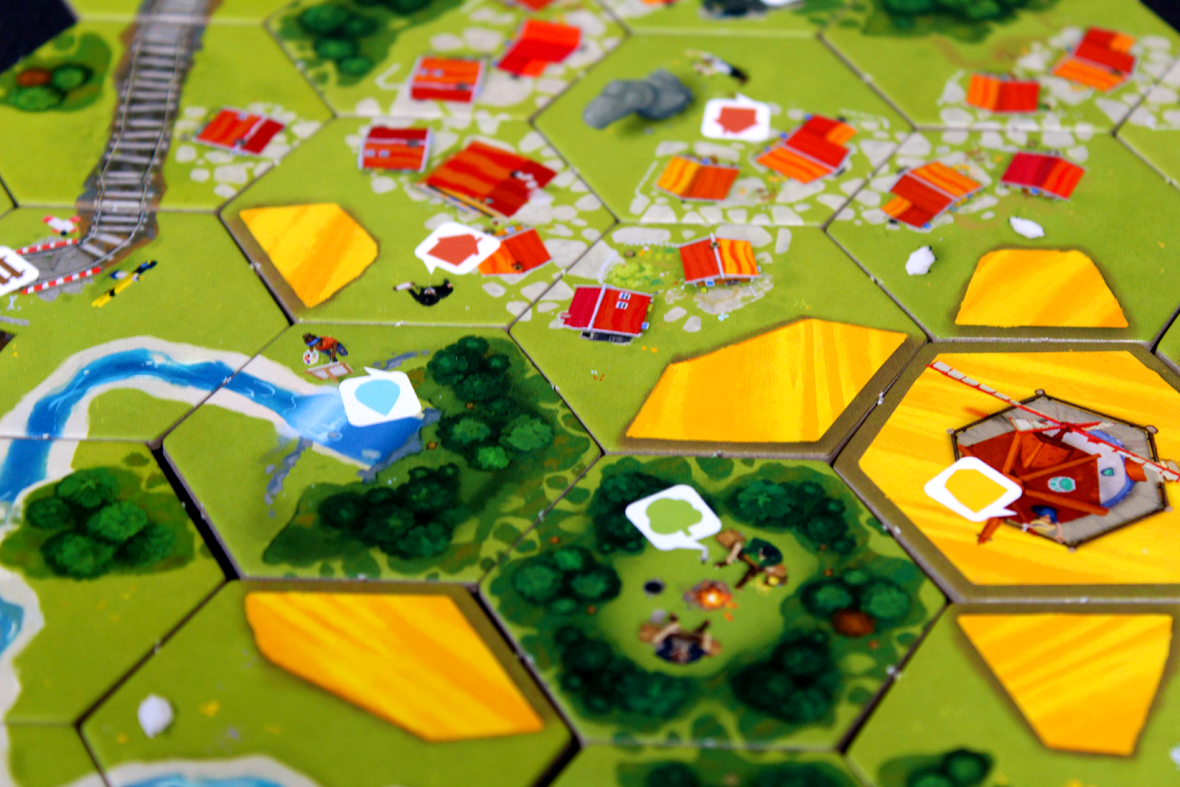
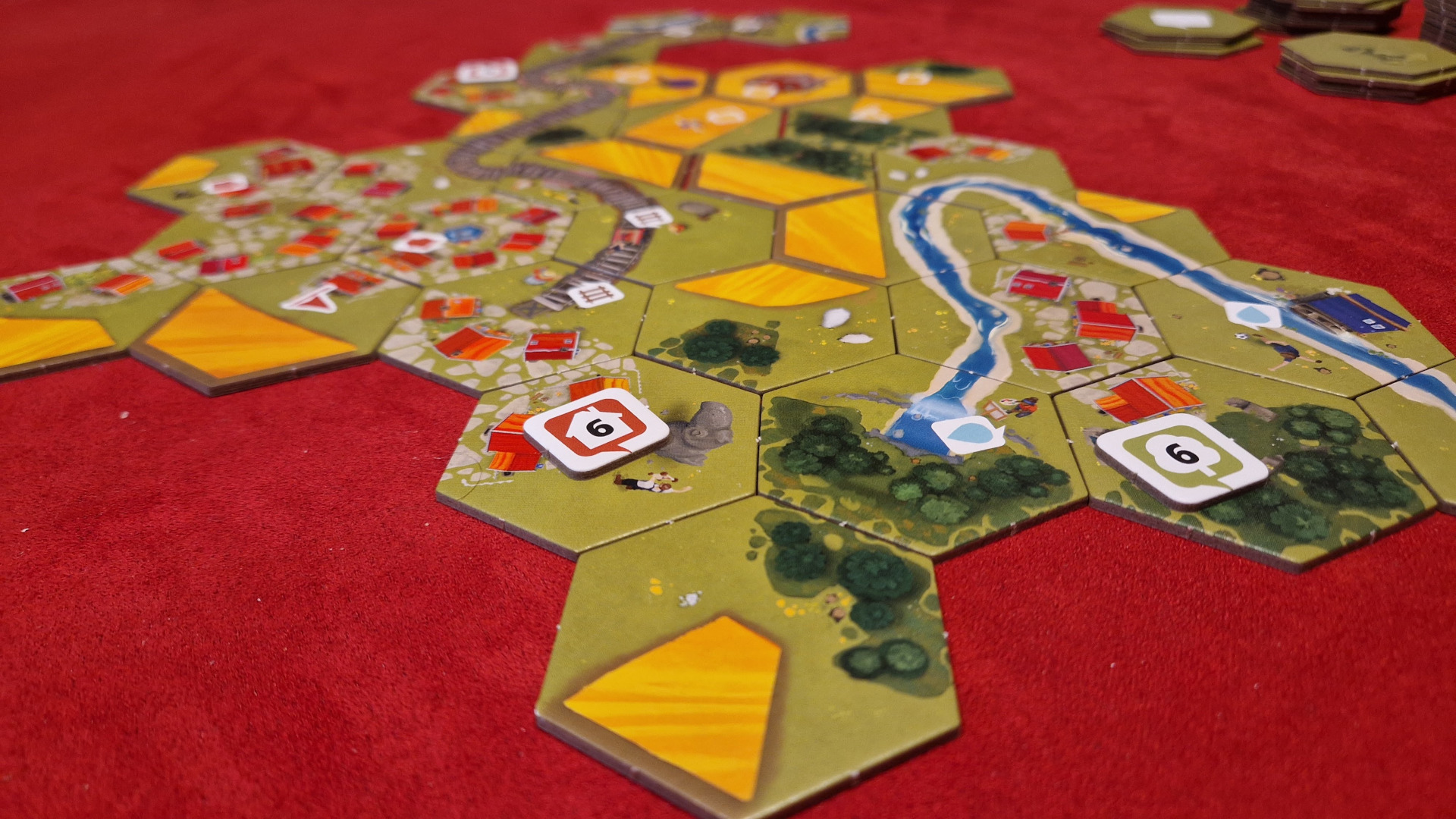
– Diversify Your Layout: Aim for a balanced distribution of tiles across various environmental features, such as farms, forests, and tracks. This balance allows for flexibility in placing new tiles and mitigates the shock of randomization.
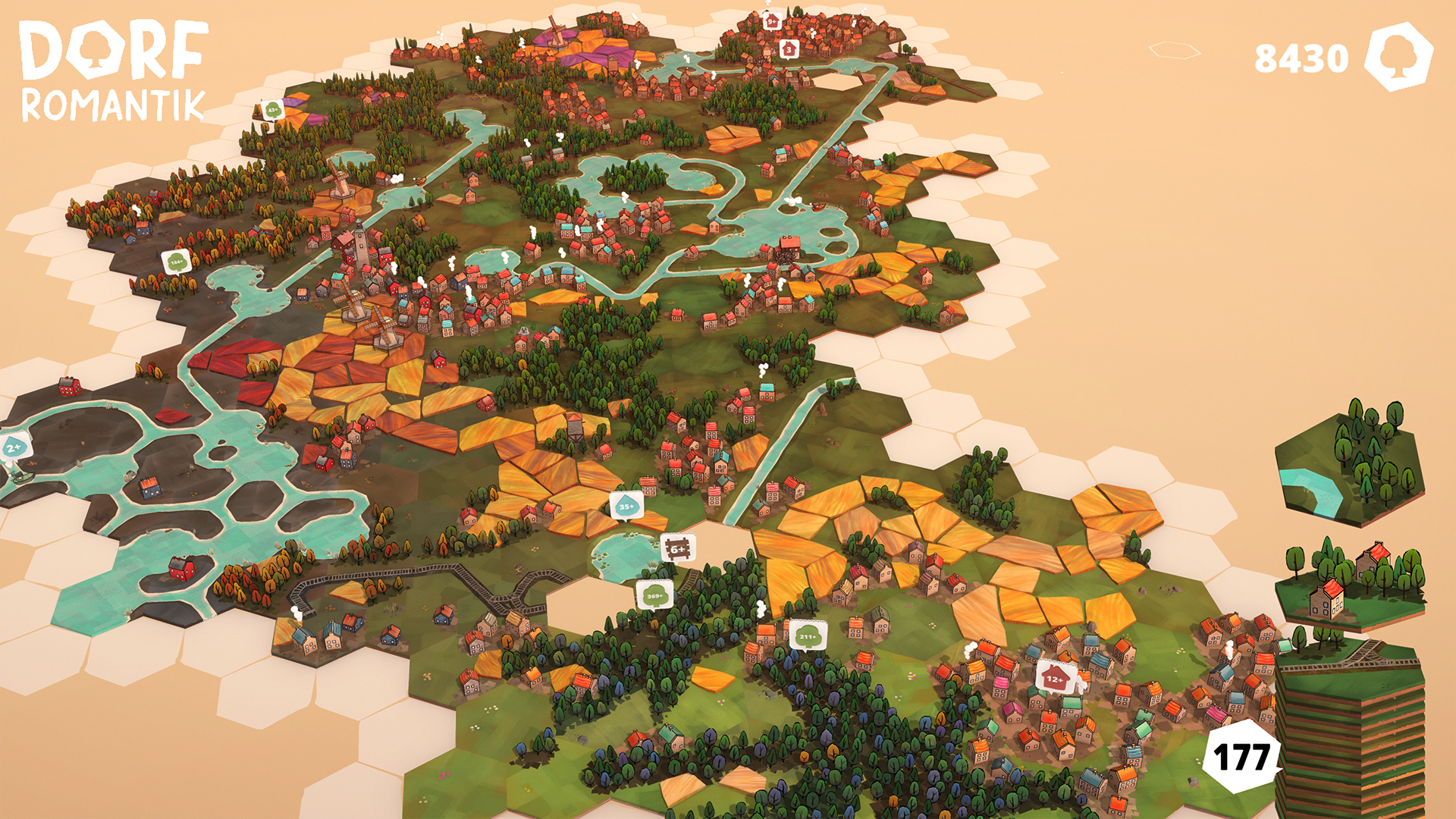
– Group Overlap: Create areas where different biomes converge, allowing for a shared space where houses, trees, and fields can interact. This not only optimizes space but also sets the stage for accomplishing multiple quest objectives.
2. Adapt to Quests:
– Prioritize Quest Tiles: Commit to fulfilling quests whenever you receive them, as these can significantly expand your tile supply. Stay vigilant and strategize around these quests to maximize your efficiency.
– Balance Multiple Quests: Keep an eye on various quests and prioritize tiles that cater to them simultaneously, thus diversifying your board’s growth options while aligning with game objectives.
3. Optimize Tile Placement:
– Aim for Perfect Placements: Establish a habit of examining tile placements meticulously to achieve as many perfect placements as possible. This creates a snowball effect, generating additional tiles that are crucial as your board builds out.
– Minimize Imperfections: Regularly evaluate your placements to ensure minimal gaps, as each poorly placed tile reduces your long-term scoring potential and efficiency.
4. Explore New Biomes and Objects:
– Biome Progression: As you advance, you’ll unlock new tiles and biomes, each equipped with unique features that can lead to new quests and gameplay challenges. Use this progression to adapt your strategy dynamically.
– Long-term Engagement: Invest time in long-term tasks that open up fresh content and keep the game engaging. Monitoring and completing these tasks ensures sustainable gameplay.
5. Manage Limited Tiles:
– Prioritize Strategic Tiles: Focus on tiles that can significantly impact current quests or overall board effectiveness. Avoid using tiles that do not contribute constructively to your strategy.
– Seize Every Opportunity: When your tile supply dwindles, use your placements to the fullest by prioritizing perfect placements that might allow for additional tiles to be earned.
Game Modes and Customization
– Monthly and Custom Modes: Experiment with different modes to gain novel insights into gameplay strategies. Monthly mode uses a set seed for consistency, while custom mode allows you to tweak tile frequencies for a tailored experience.
– Experimentation: Don’t hesitate to try various strategies in different settings to see what works best for you. Recording these experiments can help refine your approach and enhance adaptability.
By integrating these strategies into your gameplay, you can better navigate the randomness of tile generation in Dorfromantik, fostering a resilient and flexible approach to your evolving game. Engaging continuously with these tactics will help you maximize tile placements and enjoy the intricate landscapes you create.

Leave a Reply