
In Dorfromantik, the strategic placement of tiles that overlap various terrain types is governed by a set of rules designed to preserve the aesthetic and functional integrity of the landscape. This creates a blend of challenge and creativity as players navigate tile placement.
Tile Placement Rules for Multiple Terrain Types
1. Connected Group Requirement:
– Every new tile must connect to the already placed tiles via at least one of its six edges. This rule ensures that all tiles form one continuous group, enhancing both gameplay cohesion and aesthetic appeal.
2. Matching Tracks and Rivers:
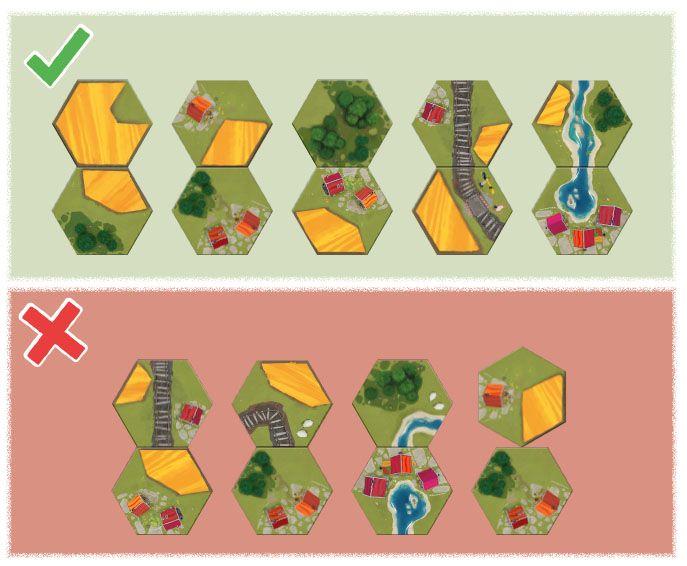
– Tiles featuring segments of rivers or railroads must be positioned in such a way that the river and track edges align precisely with those on adjacent tiles. Essentially, you cannot place a tile with a river or track next to one that lacks the matching feature. This stipulation ensures that rivers and railroads create unbroken, flowing paths throughout the landscape.
3. Flexible Placement for Other Landscapes:
– Unlike rivers and railroads, other landscape types—such as forests, grain fields, villages, and meadows—do not require exact edge matching. These terrains can be placed adjacent to one another freely, allowing more creative and natural overlaps where different terrain types meet.
4. Handling Overlaps:
– Given the hexagonal nature of the tiles, which can feature various terrain types across different segments, when placing a tile overlapping multiple types, the rule for water and rail connectivity must be adhered to. However, sections of forests, fields, villages, and meadows can touch or border different terrain types without strict matching, facilitating a harmonious blend of landscapes.
5. Task Tiles and Task Markers:
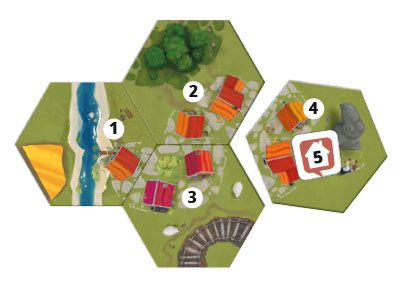
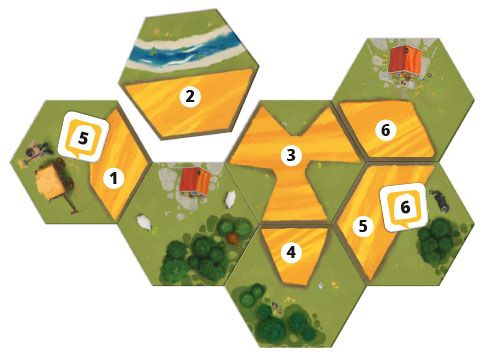
– Certain tiles are designated as task tiles that come with specific placement requirements relative to certain terrain types (for instance, adjacent to a forest or village). These tiles must comply with both the general placement rules and their own particular task requirements, further adding strategic depth to gameplay.
Summary
Dorfromantik’s approach to tile placement is carefully structured to balance strict edge continuity for rivers and railroads with flexible placement options for other terrains like forests and villages. This balance creates a visually appealing and coherent landscape while ensuring that players face the strategic puzzle of aligning rivers and tracks. At the same time, the game allows players to creatively shape the arrangement of forests, fields, and settlements across the board, leading to a dynamic and engaging gameplay experience.
:strip_icc()/pic7716673.jpg)
/pic7573023.jpg)
Leave a Reply